


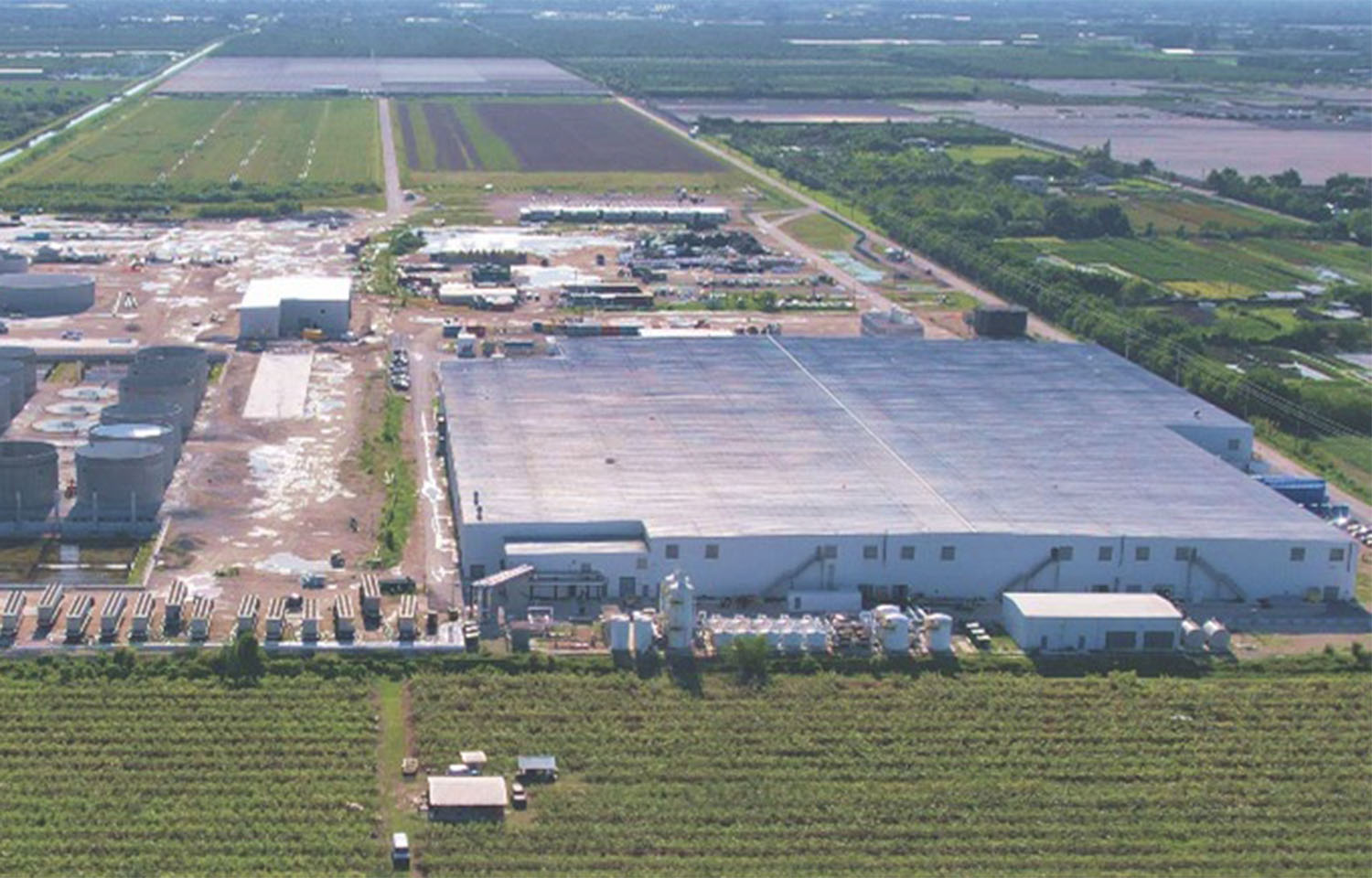
Miami, Florida, U.S.A.-based Atlantic Sapphire has resecured a USD 250 million (EUR 213 million) bond from Miami-Dade County after the board of county commissioners reapproved the issuance it first granted over two years ago.
The Miami-Dade Board of County Commissioners passed a resolution 11-0 rescinding a prior bond authorization for the sum and reapproving a new issuance for the same sum. The proceeds of the bond, according to the proposal approved by the board of county commissioners, will go toward financing the construction and installation of wastewater treatment and disposal facilities at the company’s land-based Atlantic salmon recirculating aquaculture system (RAS).
The decision marks the second time the board has had to reapprove the bond issuance. It first approved a bond in 2023 but had to reapprove the bond in 2024. That decision also expired earlier in 2025, but the county reauthorized the bond issuance at its meeting in early September.
The bond approval comes as Atlantic Sapphire posted its H1 2025 results, calling them a sign of a “decisive turnaround” for the company. Atlantic Sapphire already posted an operational and financial update in late August touting its financial turnaround, and its full H1 2025 results showed the same trends of improved revenue and EBITDA.
The H1 2025 results also showed the company’s net losses decreased in the period, dropping from a loss of USD 52 million (EUR 44 million) in H1 2024 to a net loss of USD 36 million (EUR 30 million) in H1 2025.
The company also revealed more about its harvests in H1 2025, indicating the increased prices it mentioned in its financial update came from high-quality salmon, with 97 percent of the salmon it sold during the period reaching superior grade.
“With harvest weights nearly doubled, superior share consistently high, and prices of USD 12.00 [EUR 10.23] per kilogram for our premium Bluehouse product, our platform is now demonstrating its full potential,” Atlantic Sapphire CEO Pedro Courard said.
While quality improved, the company said its operational costs decreased in spite of “legacy issues still impacting harvests.”
Atlantic Sapphire has faced a range of issues and setbacks over the development of its land-based salmon farm, including emergency harvests, mortality events, a fire that destroyed its functional facility in Denmark, and water temperature issues affecting growth rates. The myriad challenges have kept the company from moving on from its Phase 1 facility and caused it to undershoot its biomass targets.
In its H1 2025 results presentation, Atlantic Sapphire said that the results are “different this time” and that it has created a new business plan that is functionally an operational reset.
The company said from 2018 to 2023, development was a “rushed process lacking operational control” and was an “overly ambitious push to validate the concept.” The company said design flaws, poor construction, execution that was outpacing “competence and experience,” and a lack of SOPs all damaged the company’s ability.
The company said from 2024 onward, the company has been operating under different standards including new SOPs and “realistic and achievable projections” – as well as a new management team. Atlantic Sapphire Founder Johan Andreassen stepped down from the role of CEO in October 2023.
In a letter to shareholders, Courard said as the company works to bring Phase 1 to steady production with a positive EBITDA, the company has revised a business plan through year-end that requires USD 3 million (EUR 2.5 million) in capex to focus on water treatment, CO2 removal, and energy efficiency that will also reduce the company’s operational expenditures per kilogram of salmon.
The company said it plans to issue a convertible loan of USD 31 million to USD 35 million (EUR 26 million to EUR 29 million) to fully fund Phase 1 through breakeven EBITDA. The company said existing shareholders indicated “strong support to underwrite USD 25 million (EUR 21 million)”
“Positive EBITDA is expected by the end of 2026 and will continue improving thereafter. To support this last phase of Phase 1 optimization, we are preparing a flexible financing solution structured to fully fund Atlantic Sapphire through to breakeven of Phase 1 and has the strong backing of our main owners,” Courard said.
