






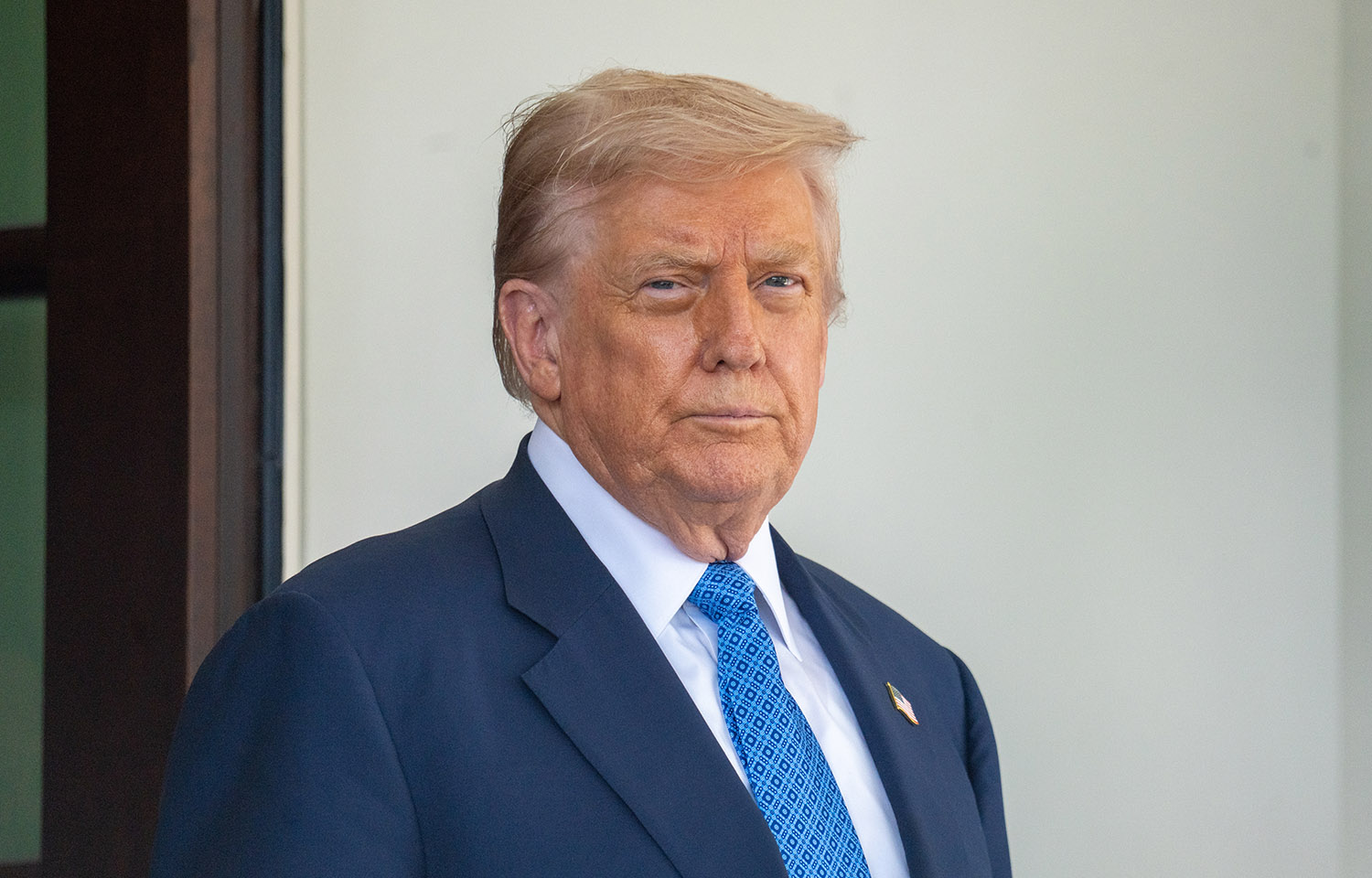
Two coalitions comprising 50 ocean conservation groups have publicly released their feedback on U.S. President Trump’s executive order on restoring American seafood competitiveness, asking officials not to allow commercial fishing in the country’s marine national monuments.
“Opening up marine monuments to industrial fishing fleets sets a dangerous precedent that our public lands and waters are for sale to the highest bidder,” said Angelo Villagomez, the ocean lead for the America the Beautiful for All Coalition. “The United States controls nearly 5 million square miles of ocean, and there is room for us to have the world’s best-managed fisheries and networks of marine protection, safeguarding the most threatened, iconic, and special places in our ocean. Pitting them against each other is a false choice.”
Together with the National Ocean Protection Coalition (NOPC), the America the Beautiful for All Coalition has released the feedback it submitted to NOAA Fisheries to highlight its concerns with the Trump administration and the president’s executive order.
Trump issued the executive order in April, declaring that “seafood is one of the most heavily regulated sectors in the United States.”
“Federal overregulation has restricted fishermen from productively harvesting American seafood including through restrictive catch limits, selling our fishing grounds to foreign offshore wind companies, inaccurate and outdated fisheries data, and delayed adoption of modern technology,” the president said in his executive order.
With the statement, Trump directed federal officials and regional regulators to address overregulation and support the seafood industry.
In addition to the executive order, Trump also issued a proclamation, “Unleashing American Commercial Fishing in the Pacific,” declaring his intent to reopen the Pacific Remote Islands Marine National Monument (PRIMNM) to commercial fishing. That effort was challenged in courts, with a district court judge ruling in August that the government had not gone through the proper process to open up the 400,000-square-mile marine protected area to fishing.
Meanwhile, NOAA Fisheries has sought input from outside groups on how it should respond to the president’s executive order. In addition to gathering responses from the regional fishery management councils, in August, the agency invited public comments on the executive order, specifically seeking information on:
- Fishing regulations that should be suspended, revised, or rescinded;
- Challenges facing fisheries and suggestions for improvements;
- Expanding exempted fishing permit programs; and
- Ways to improve fisheries management and science.
However, NOPC and America the Beautiful for All criticized the solicitation for not asking about marine national monuments, and they claim that the government will not commit to releasing its comments publicly.
“The Trump administration wants to dismantle our marine national monuments in the dark of night, without public debate,” NOPC Executive Director Miriam Goldstein said in a release. “These marine monuments are the ocean’s equivalent of our national parks – places that benefit marine life and cultural heritage and are too important to risk for short-term gain. The public has a right to know what is at stake, and if the Trump administration won’t publish our comments, we will.”
In response, the groups have released letters from 53 organizations, 234 scientists, and 1,100 individuals opposing changes to national marine monument protections.
“Opening these areas to large-scale industrial fishing would directly contradict the purpose of their designation. Large-scale fishing gear can catch and entangle marine wildlife, remove top predators, disrupt ecological food webs, and, when it touches the bottom, cause harm to fragile corals and other sensitive benthic habitats. Allowing commercial exploitation would effectively reduce these monuments to 'monuments in name only,' stripping them of the very protections that make them meaningful,” the groups said in a joint statement.
NOAA Fisheries' comment period closed 14 October.
