





Ahead of the Western and Central Pacific Fisheries Commission’s (WCPFC) 21st annual meeting, which ends 3 December, NGOs called on the regional fishery management organization (RFMO) to take a number of actions – including one that would open its compliance meetings up to the media.
Organizations like the International Seafood Sustainability Foundation (ISSF) and The Pew Charitable Trusts are calling on the WCPFC to take a number of steps to enhance the sustainability of the area’s tuna fisheries. The WCPFC manages tuna, shark, and swordfish fishing in a region spanning a range of the Western and Central Pacific Ocean, which partially overlaps the area overseen by the Inter-American Tropical Tuna Commission.
The ISSF is calling for better monitoring of these fisheries for highly migratory stocks and for the WCPFC to adopt electronic monitoring (EM) standards to provide better data when performing fisheries management. Currently, only purse-seine vessels require 100 percent coverage, whereas longline tuna fishing vessels only need to achieve a 5 percent minimum level.
“WCPFC’s peer RFMOs in the Indian, Atlantic, and Eastern Pacific Ocean have now all adopted interim minimum standards for EM,” ISSF said. “Despite the commission’s establishment of an EM working group in 2014, WCPFC has not yet agreed to an EM program or EM standard.”
The Pew Charitable Trusts is calling for similar levels of EM, with the same emphasis on the WCPFC’s long-running activity developing standards for the practice over the last 10 years.
“Getting onboard gear sensors and video cameras in place will allow authorities to better monitor and record a vessel’s activities remotely and can ensure more effective transmission and analysis of data,” Pew said. “Despite its years of effort, WCPFC has fallen behind the other tuna regional fisheries management organizations in adopting EM standards. This year, it should finish the job.”
Another core measure both ISSF and Pew are advocating for is better measures to tackle transshipment. According to ISSF, the RFMO is not currently aligned with best practices on transshipment, and despite establishing a working group on the issue in 2019, both organizations said there has been no improvements.
“We are, therefore, urging the commission to strengthen its regulation of at-sea transshipment at this meeting to ensure at-sea activity is rigorously regulated and all required data are reported,” ISSF said.
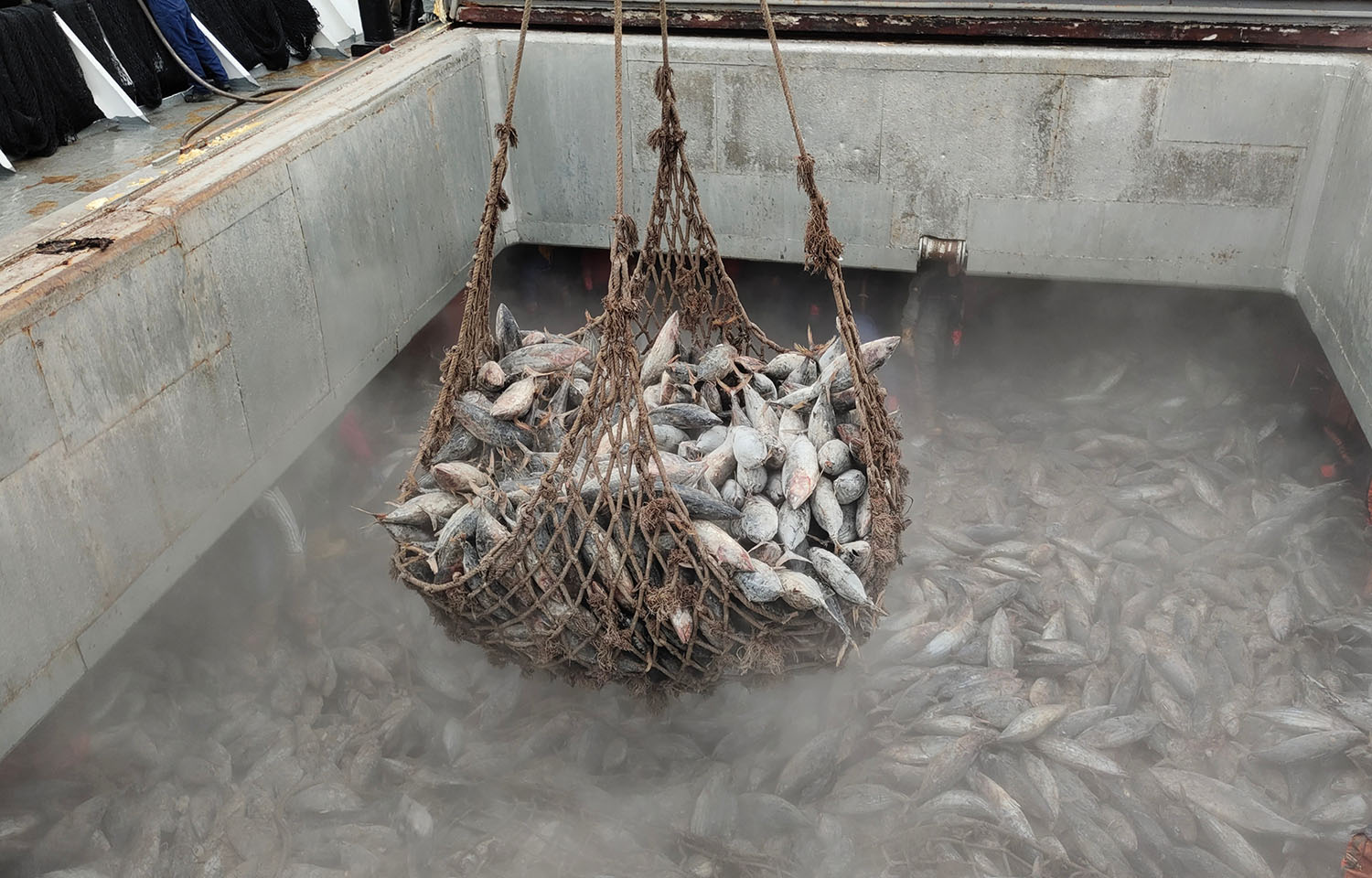
A Pew study found that over USD 10.4 billion (EUR 9.9 billion) in tuna was transshipped in 2018 alone – or roughly a quarter of all tuna by value. Pew said another study found the WCPFC area has more transshipment than any other region.
“While transshipment is an important piece of the fishing industry, it can also be used to transfer illegally caught species – or even guns, drugs, and people – and stronger controls on the practice can help prevent these sorts of activities. WCPFC hasn’t updated its transshipment rules in 15 years, another instance of this RFMO lagging behind its peers,” Pew said.
As both NGOs advocate for EM standards, better transshipment regulations, and other actions such as harvest management strategies and stock conservation, another NGO is pushing for the commission to align with every other RFMO and end its practice of conducting key fisheries meetings in private without allowing any media to attend.
Currently, the WCPFC closes its general meeting to media and its Technical & Compliance Committee meeting to NGO observers. Accountability.Fish is calling on the RFMO to end the practice and open up its meetings.
“WCPFC governs almost 60 percent of the world’s tuna supply, and it continuously brags about the job it is doing from an ocean sustainability standpoint. Yet, despite all the bragging, it conspicuously conducts its key compliance meetings behind closed doors and bars the media from its general meeting,” Accountability.Fish Global Director Ryan Orgera said. “These practices fly in the face of its founding charter, which explicitly demands transparency.”
Accountability.Fish has also called on Canada to advocate for opening up the meeting, pushing Canadian Minister of Fisheries Diane Lebouthillier to move to open the general meeting to media.
“Canada is a country that talks a good game when it comes to the environment and sustainability,” Orgera said. “Minister Lebouthillier has a golden opportunity to make sure Canada finally walks that talk at the WCPFC General Meeting, to challenge WCPFC’s secrecy practices, and to put the members on the record about having WCPFC remain the world’s only commission that governs tuna supplies to keep its key compliance processes secret.”
