



An official in the U.S. state of Louisiana has renewed his calls for there to be a national inspection fee on imported seafood in the wake of recalls of frozen shrimp contaminated by radiation.
On 14 August, the U.S. Food and Drug Administration (FDA) announced that U.S. Customs and Border Protection had detected a radioactive isotope called Caesium-137 (Cs-137) in shipping containers at the ports of Los Angeles, Houston, Savannah, and Miami.
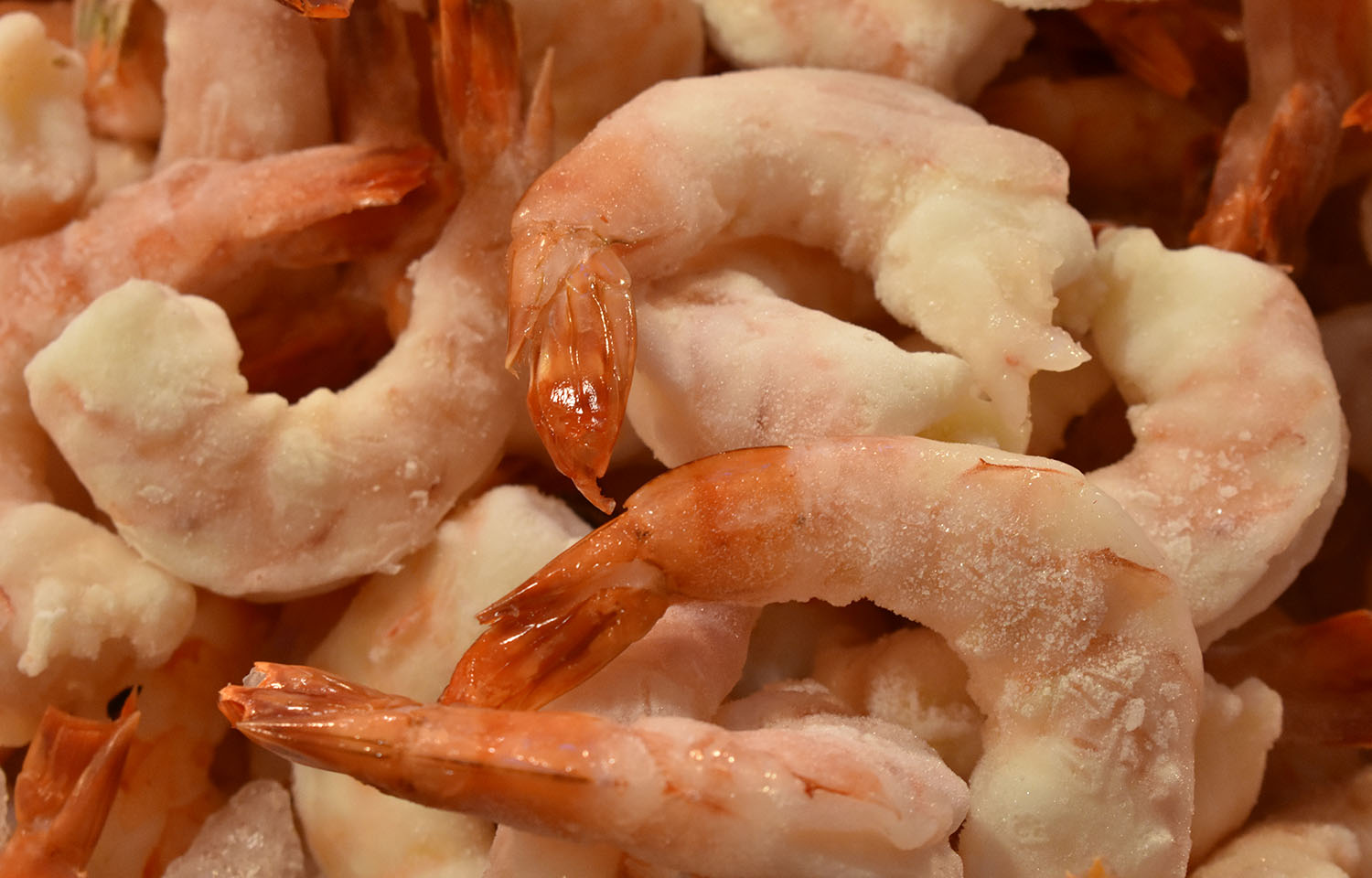
Testing confirmed the presence of Cs-137 in one sample of breaded shrimp, and the FDA has been working with companies to issue recalls for potentially contaminated shrimp from Indonesia-based seafood supplier PT. Bahari Makmur Sejati. Walmart, Beaver Street Fisheries, and Southwind Foods have issued recalls on multiple frozen shrimp products.
“At this time, no product that has tested positive or alerted for Cesium-Cs-137 has entered the U.S. commerce,” the FDA said in a post updated 22 August. “FDA is working with distributors and retailers that received product from PT. Bahari Makmur Sejati after the date of first detection of Cs-137 by Customs & Border Protection (CBP), but from shipments that did not alert for Cs-137, to recommend that firms conduct a recall.”
In a letter to U.S. President Donald Trump, Louisiana Lieutenant Governor Billy Nungesser said the recent spate of recalls provided ample reason to finally pass his proposal for a per-pound USD 0.10 (EUR 0.09) inspection fee into law.
“For years, I have asked Congress to implement a seafood inspection fee to hire more inspectors and increase inspections of the seafood crossing our borders with the support of the National Lieutenant Governors Association, the Louisiana Seafood Promotion and Marketing Board, and our Louisiana fisheries associations,” Nungesser said. “As we look to encourage American sourcing of goods and services through tariffs, it is the perfect opportunity to implement these types of fees to support our domestic fisheries.”
According to Nungesser, the U.S. government needs to conduct more inspections to detect the presence of antibiotics, toxins, and carcinogens in imported seafood and stop contaminated products from entering the country. He claimed his fee would raise USD 600 million (EUR 516 million) in annual funding that would be used to hire tens of thousands of inspectors.
“It's only a matter of time before serious harm is caused by these dangerous imports,” Nungesser said. “Please act now to protect American people and our domestic fisheries from the physical and economic harms of imported seafood.”
