




Upscale restaurants are performing well in the U.S., defying trends playing out across the rest of the nation’s restaurant industry.
Upscale and fine dining is the only restaurant segment showing “consistent momentum” heading into the holiday season, restaurant traffic firm Placer.ai said in a new report.
According to the report, weekly visits to upscale and fine dining restaurants rose 3.4 percent for the week of 10 November and 1.4 percent the next week of 17 November compared to the same weeks last year.
“Full-service restaurants tend to see visitation build toward the end of the holiday season,” Placer.ai said. “This likely reflects the shift from workday and errand-driven routines to family gatherings, out-of-town guests, and special-occasion meals.”
To ensure traffic remains high through the end of the year, many upscale restaurant chains are offering seafood specials throughout December.
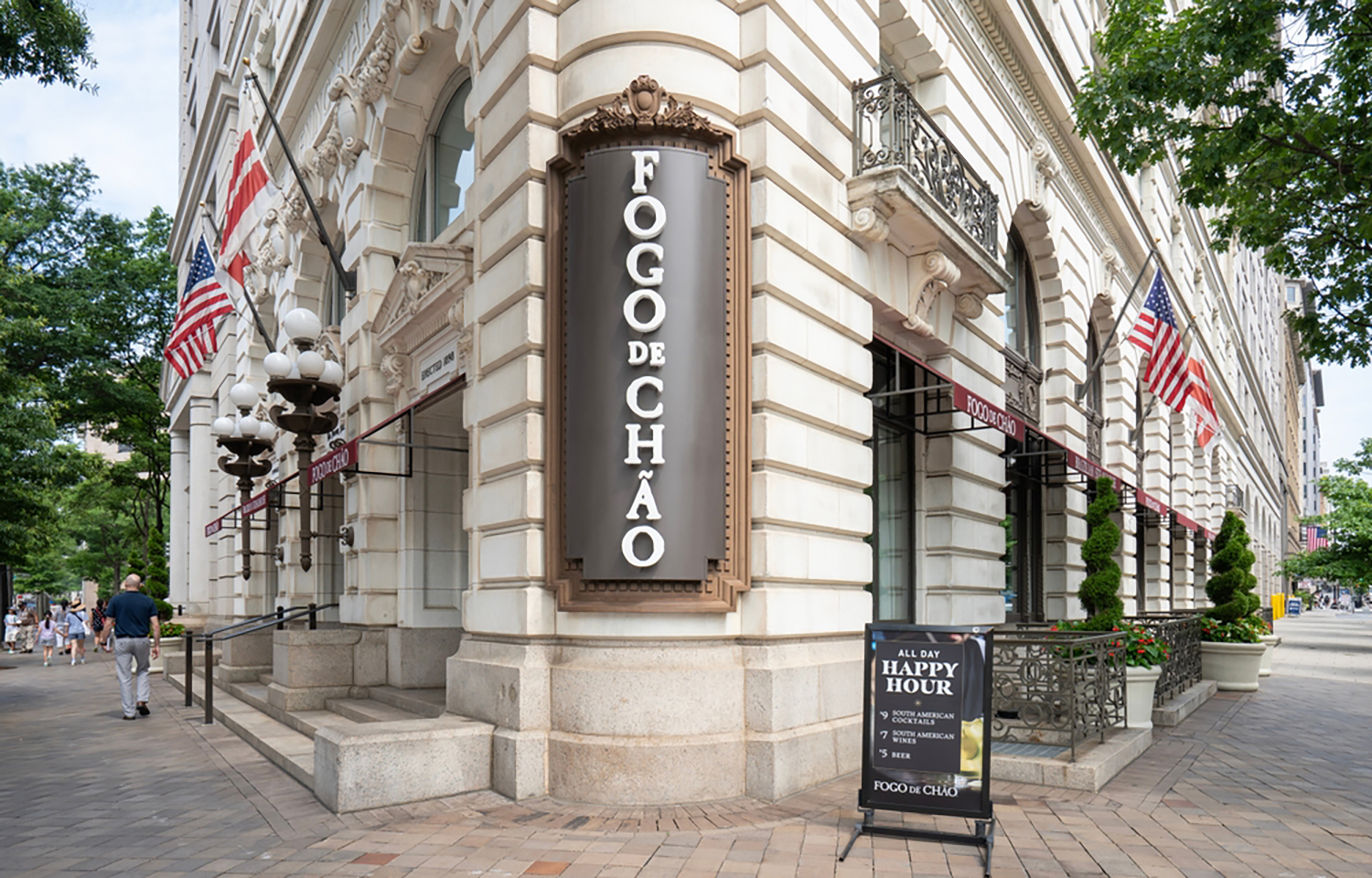
Dallas, Texas, U.S.A.-based Brazilian restaurant chain Fogo de Chão is offering an “Indulgent Churrasco Experience.”
The new experience includes the continuous tableside service of premium Brazilian cuts of meat already available to customers, as well as the addition of their choice of one indulgent enhancement, such as a Butter-Bathed Lobster Tail, Jumbo Lump Crab Cake, Roasted Bone Marrow, or Black Truffle Butter. The meal is also paired with a Chocolate Brigadeiro or Cheesecake Brûlée.
Other “Indulgent Cut Enhancement” offerings include whole branzino, blistered and carved tableside; 24-ounce Wagyu Ribeye; and other beef options.
Fogo de Chao’s Indulgent Appetizers also include the new Lobster Mac & Cheese, Butter-Bathed Lobster, Chilled Lobster and Shrimp, and a Seafood Tower that includes lobster tails and claws, jumbo shrimp, snow crab legs, and green-lipped mussels.
“The holidays are a time for connection, and our new menu innovations are designed to reignite the joy and excitement in every celebration,” Fogo de Chao CEO Barry McGowan said.
Seattle, Washington, U.S.A.-based Ivar’s is offering a four-course holiday take-home meal for two for USD 125 (EUR 106). Guests choose from Grilled Alaska Salmon or Maple-Honey Glazed Ham, along with starters, sides, and a dessert.
“All meals are prepared fresh on-site in Ivar’s kitchen just before you pick them up. All you need to do is reheat some items and then relax and enjoy the holiday,” Ivar’s said.
Elsewhere, restaurant chains are featuring “Feast of the Seven Fishes” celebrations during December.
This year, Carrabba’s Italian Grill, owned by the Darden Restaurant Group, is holding a five-course “Feast of the Seven Fishes” on 16 and 17 December for USD 60 (EUR 51) per person. The dishes, paired with wines, include Salmon Nino with Lobster Ravioli and Crab Cake Bruschette.
While fine dining is enjoying positive momentum, other segments like casual dining have struggled to draw in customers, resulting in restaurant closures and layoffs.
For instance, Tampa, Florida, U.S.A.-based restaurant group Bloomin’ Brands has continued to close restaurants in an effort to return to profitability.
“Bloomin’ Brands’ closures are a continued reflection that the casual dining industry has too many stores with too many seats,” FoodServiceResults CEO Darren Tristano told SeafoodSource, adding that consumers are increasingly seeking independent restaurants that are more local and seasonal, whereas chains seem to turn off younger consumers “since their parents dine there and they are not designed to appeal to the younger consumer who grazes and is looking for innovative beverages and mocktails.”
Additionally, tariffs have hurt restaurants’ bottom lines, with 60 percent of restaurants reporting in October they have been directly affected by U.S. tariffs on imports.
“Operating a restaurant is becoming increasingly difficult due to economic and regulatory pressure and a nearly 5 percent increase in wholesale food costs since last year,” National Restaurant Association (NRA) President and CEO Michelle Korsmo. “Tariffs on food and beverage items exacerbate the situation. With restaurants operating on very tight margins, many operators may have no choice but to increase menu prices – something they are reluctant to do because we know Americans may have to make the choice to dine out less frequently if prices go up.”
