





As economic pressures have mounted, sales at U.S. grocery chains have slowed into stagnation, resulting in some retailers lowering prices to attract value-focused consumers.
The number of grocery units, or individual items, sold declined 1.8 percent in June compared to the same month a year prior, according to a new Bain & Company analysis conducted in conjunction with NielsenIQ. Bain & Co. partly attributed the sluggishness in units sold to overall grocery prices rising 2 percent to 3 percent over the last year and a hefty 33 percent since 2019.
Providing further proof of the sector’s stagnation, market research firm Circana found that volume growth in the U.S. retail food and beverage industry was flat in the first half of 2026, while sales by value grew 2.2 percent thanks to inflation.
Seafood inflation in particular has been higher than overall average food inflation over the past few months. In June, for instance, frozen seafood prices increased 12.5 percent, while shelf-stable seafood prices increased 7.8 percent and fresh seafood inflation was up 4.1 percent year over year. As prices went up, frozen and fresh seafood sales by volume dropped in June.
Outside of grocery prices, other economic pressures on U.S. consumers have been steadily intensifying, with Bain & Co. highlighting the fact gas prices climbed 20 percent in March across the U.S. and have remained elevated as the summer has progressed.
"Developments in global energy markets, geopolitical tensions, and other supply chain pressures could affect food costs in the short and medium terms. The recent resumption of conflict in Iran serves as a reminder that global events can quickly ripple through the food supply chain. Energy prices, transportation costs, fertilizer, animal feed, packaging, labor, weather-related disruptions, and international trade all play a role in determining the prices consumers ultimately see on grocery store shelves,” FMI – The Food Industry Association said in June.
As a result of the many pressures on Americans’ wallets, 80 percent of consumers are trying to cut spending, and 28 percent are actively trying to cut back on groceries, per Bain’s latest Consumer Lab pulse survey.
In response, such retailers as Walmart, Sam’s Club, and Giant Eagle have lowered prices on hundreds of items, including several seafood products.
Pittsburgh, Pennsylvania, U.S.A.-based Giant Eagle, which is in the process of being acquired by Kroger, launched its “On Sale This Season” pricing initiative on 20 July, reducing and holding prices steady across more than 300 of its most frequently purchased products through Labor Day, which will take place 7 September.
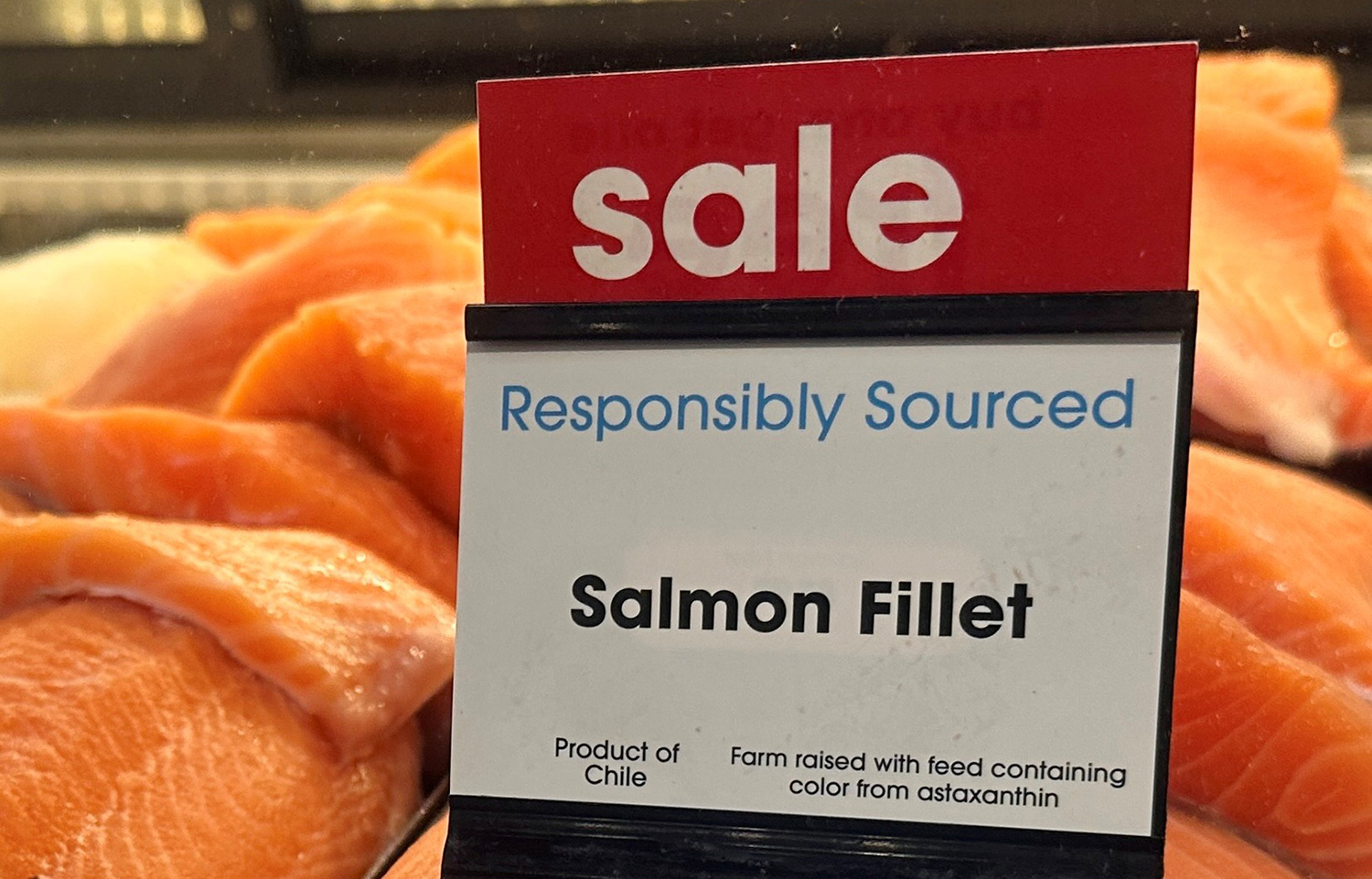
Price reductions have been rolled out on “family meal essentials” such as proteins and produce, along with a variety of summer snack favorites, Giant Eagle said in a release. Seafood items with slashed prices include various cuts of Chilean and Canadian farmed salmon.
“We know our customers are seeking value in the face of elevated expenses. We took learnings from our seasonal pricing efforts last fall and used those insights to deliver a strong savings program that can help customers save all summer long,” Giant Eagle Executive Vice President and Chief Merchandising and Marketing Officer Justin Weinstein said.
Earlier this month, Walmart and Sam's Club announced “thousands” of lower prices on seafood along with other food and non-food items.
Own-brand seafood products at Walmart featuring lower prices include Great Value frozen shrimp in several sizes and varieties, Great Value snapper, and Sam’s Choice ahi tuna steak, while discounted brands include StarKist Tuna Creations, Sea Best Frozen Pink Salmon, and Bernard’s Crawfish Tail.
At Sam’s Club, the retailer is discounting its Member’s Mark private-label frozen shrimp and farmed Atlantic salmon fillet, along with Safe Catch’s frozen tuna burger.
As shoppers continue to trade down, value retailers including discounters, dollar stores, mass merchandisers, and club stores will gain foot traffic, Bain & Co. said.
“Yet, the unit problem does not disappear even for them,” Bain & Co. warned, explaining the grocers that are able to pull ahead in coming months will be those that sharpen their value proposition, price sharply on the products shoppers and AI search platforms notice most, and use promotions, loyalty, and private brands with precision to build a value narrative consumers can trust.
Circana has projected grocery growth will settle into a 2 percent to 3 percent range in 2027 as shoppers optimize spending amid financial pressure, shifting lifestyle priorities, and increasingly digital, AI-assisted shopping behavior.
