


The U.S. state of Maine’s congressional delegation has written a letter to U.S. Commerce Secretary Gina Raimondo urging her to scrap some late changes to the National Marine Fisheries Service Atlantic Large Whale Take Reduction Rule.
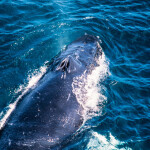
The letter, signed by U.S. Sen. Angus King, U.S. Sen. Susan Collins, U.S. Rep. Chellie Pingree, and U.S. Rep. Jared Golden calls on Raimondo to “avoid hasty, late-breaking changes by NMFS to measures that have been extensively negotiated and carefully designed.” The rule changes intend to protect the highly endangered North Atlantic right whale, which has a remaining global population estimated at 350.
Maine's commercial fishing interests have much at stake when it comes to the new whale take reduction rules, which could potentially impact the state’s valuable lobster fishery – worth USD 485 million (EUR 413 million) in 2019. Maine Governor Janet Mills expressed “grave concern” over changes proposed by NOAA in January, and now the state’s congressional delegation is expressing its own concerns about recent additions to the rules.
One of those changes is to a gear-marking policy, which now requires a 12-inch green mark to be placed on vertical lines set seaward of the state-federal water boundary. The issue with the change, the congressional delegation wrote, is that fishermen frequently move their gear from inside to outside of that line, but that the permanent markings make it illegal to use the marked gear in state waters.
“It would practically require lobstermen who fish in both state and federal waters to have two sets of gear – one for each side of the federal boundary line – a great expense, and an economic burden that was not analyzed in the [final environmental impact statement],” the letter states. “We strongly urge you to include the gear-marking requirements for Maine as drafted in the proposed rule.”
The second change the delegation is protesting are proposed seasonal restricted areas off the coast that would be closed to fishing.
“An absolute closed area would be very costly, if not prohibitive, to the business models of numerous fishermen and, in many respects, would seemingly not provide much additional risk reduction,” the letter states. “We strongly believe that fishermen should not lose access to fishing grounds unless whales are present.”
Maine’s delegation previously wrote a separate letter to the U.S. Department of Commerce asking it to ignore a petition by the Pew Charitable Trusts, which is calling for similar seasonal closure to protect right whales.
The delegation is also pushing for conservation equivalencies, requesting each lobster harvester be allowed to use one trawl of 20 traps with vertical buoy-lines on each end or, with conservation equivalency, two trawls of 10 traps each with just one buoy-line on each of those two trawls.
“The latter [is] safer for someone on a smaller vessel,” the letter states. “A rigid one-size-fits-all approach will force dangerous and expensive actions upon fishermen, with no benefit to whales.”
The new rules for the lobster fishery are in response to a recent ruling that found the U.S. lobster fishery violates the Endangered Species Act. The ruling resulted in the fishery having its Marine Stewardship Council certification suspended, but Maine lobstermen were allowed to continue fishing provided they agreed to new rules to protect right whales.
Photo courtesy of James Mattil/Shutterstock
