






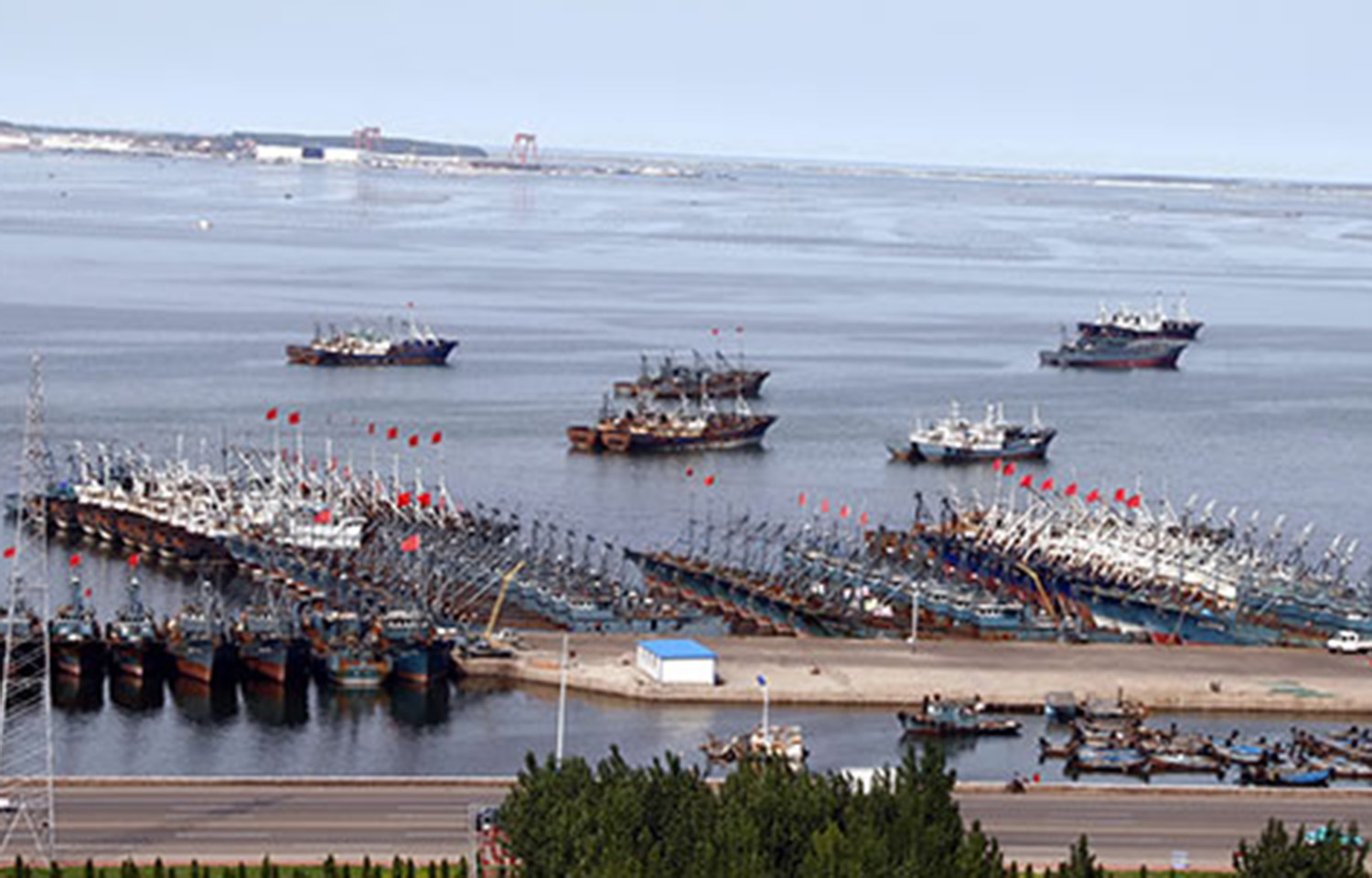
The municipal government of Rongcheng, a city in eastern China that is the home port for much of China’s distant-water fishing fleet, has announced a commitment to investing in more value-added contract meal processing.
Rongcheng previously subsidized the construction of a “high-end premade seafood cuisine industrial park” that opened in 2023, offering international buyers a “one-stop facilitation service,” including R&D, to develop value-added seafood products.
In a May press release, it said it is “endeavoring to further leverage local premade cuisine industrial chains to bring more premade seafood cuisines to the world.”
By doing so, Rongcheng is seeking to join the procession of Chinese companies aiming to exploit the currently low value of the Chinese renminbi to increase exports. Rongcheng’s location – less than two hours' flying distance from most major Japanese and Korean cities – positions the city’s 500-plus seafood-processing businesses to “open up new market space for seafood processing and help boost seafood sales at home and abroad,” according to the statement.
The Rongcheng city government said it will use preexisting relationships with multinational retailers – including traditional wholesalers like Sam’s Club and e-commerce companies like Dingdong – to drive its shift to value-added contract meal processing.
The government is hoping the shift will further drive demand for the squid brought in by the fleet operating out of Rongcheng – one of only three Chinese cities, the others of which are Zhoushan in Zhejiang province and Fuzhou in Fujian province, that have been awarded the status of National Distant Water Base by China’s government. Cuttlefish and squid make up 72 percent of landings from China’s distant-water fleet, with tuna accounting for 15.3 percent.
Rongcheng’s fleet has been the focus of controversy, though, with several of its vessels featured in a report by The Outlaw Ocean Project providing evidence of forced Uyghur labor in China’s seafood industry. Rongcheng Xinlong Aquatic Products Co. also appeared in a 2022 Planet Tracker report tying listed fishery companies connected to illegal fishing.
