



Both the United States and China have set tariffs of 125 percent on goods from the other nation after just over a week of back-and-forth increases.
China’s Ministry of Finance announced on 11 April it is imposing tariffs on imported goods from the U.S. of 125 percent, up from the 84 percent it announced just days before. That amount is in response to U.S. President Donald Trump's escalation of tariffs, which at first were increased to 54 percent, then bumped up again to 104 percent, before finally being increased to 125 percent as Trump announced a 90-day pause on tariffs for most other countries.
China said its increased tariffs are in direct response to Trump’s escalation over the last week.
“The U.S.'s arbitrary imposition of abnormally high tariffs on China seriously violates international economic and trade rules, disregards the post-World War II global economic order built by the U.S. itself, and violates basic economic laws and common sense,” China’s Ministry of Finance said. “It is completely a unilateral bullying and coercion. China strongly condemns this.”
The Chinese government strongly condemned Trump’s trade escalation, and said there is already no market acceptance for U.S. goods exported to China at the current tariff level and further escalation would be meaningless.
“Even if the U.S. continues to impose higher tariffs, it will no longer make economic sense and will become a joke in the history of world economy,” the Ministry of Finance said. “If the U.S. continues to play the tariff numbers game, China will ignore it. However, if the U.S. insists on continuing to substantially infringe on China's interests, China will resolutely counterattack and fight to the end.”
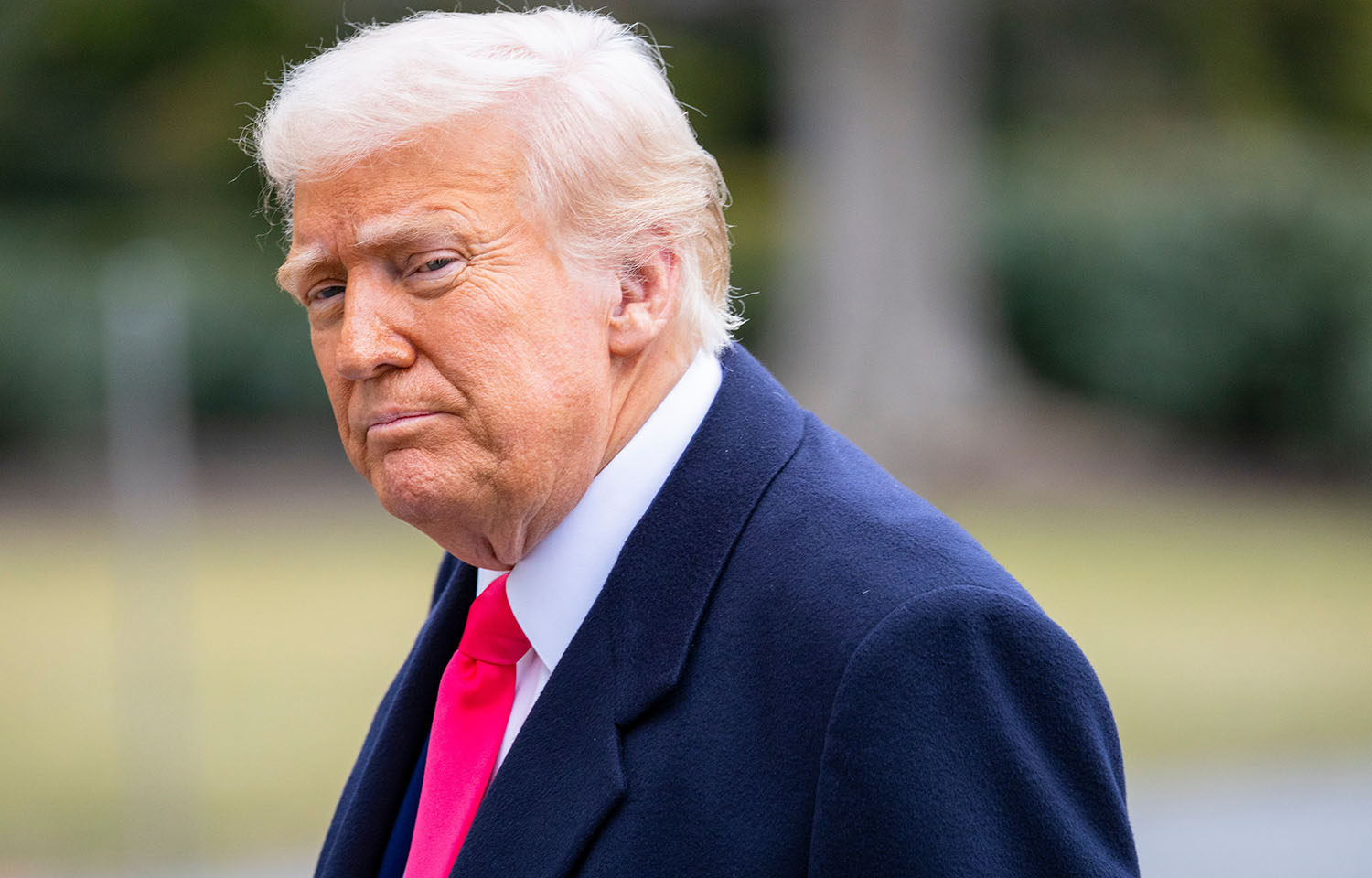
Trump, in a post on his Truth Social social media platform, said the country was doing “really well on our TARIFF POLICY.”
“Very exciting for America, and the World!!!” Trump wrote. “It is moving along quickly.”
The increased tariffs on China will likely have little additional impact over the already existing high tariffs for seafood companies. Supreme Crab and Seafood CEO Troy Turkin told SeafoodSource the previous tariff level on China, before the escalation to 104 and then 125 percent, was already too high.
“I think the recent one isn’t going to change whatever direction Supreme is going to take,” he said.
Surpeme’s imports of red swimming crab from China were already facing a 25 percent tariff from the Section 301 tariffs imposed during the prior Trump administration, and even prior to the latest escalation the company was facing a 79 percent tariff because of the compounding tariff totals. Increasing the tariffs to what is now 150 percent on red swimming crab imports is relatively meaningless.
“Supreme’s position isn’t going to change because of the added ones,” he said.
