




The Atlantic States Marine Fisheries Commission (ASMFC) Lobster Board has initiated the process to delay a gauge size increase for the U.S. lobster fishery until 1 July 2025.
The ASMFC first delayed an increase in the lobster gauge size in October 2023, after lobster trawl surveys indicated a decline in the population of sub-legal lobsters. The gauge size increase was first initiated in 2017 as a proactive measure to improve the resiliency of the lobster stock in the Gulf of Maine and Georges Bank, but that process was paused to focus on issues related to entanglement of North Atlantic right whales.
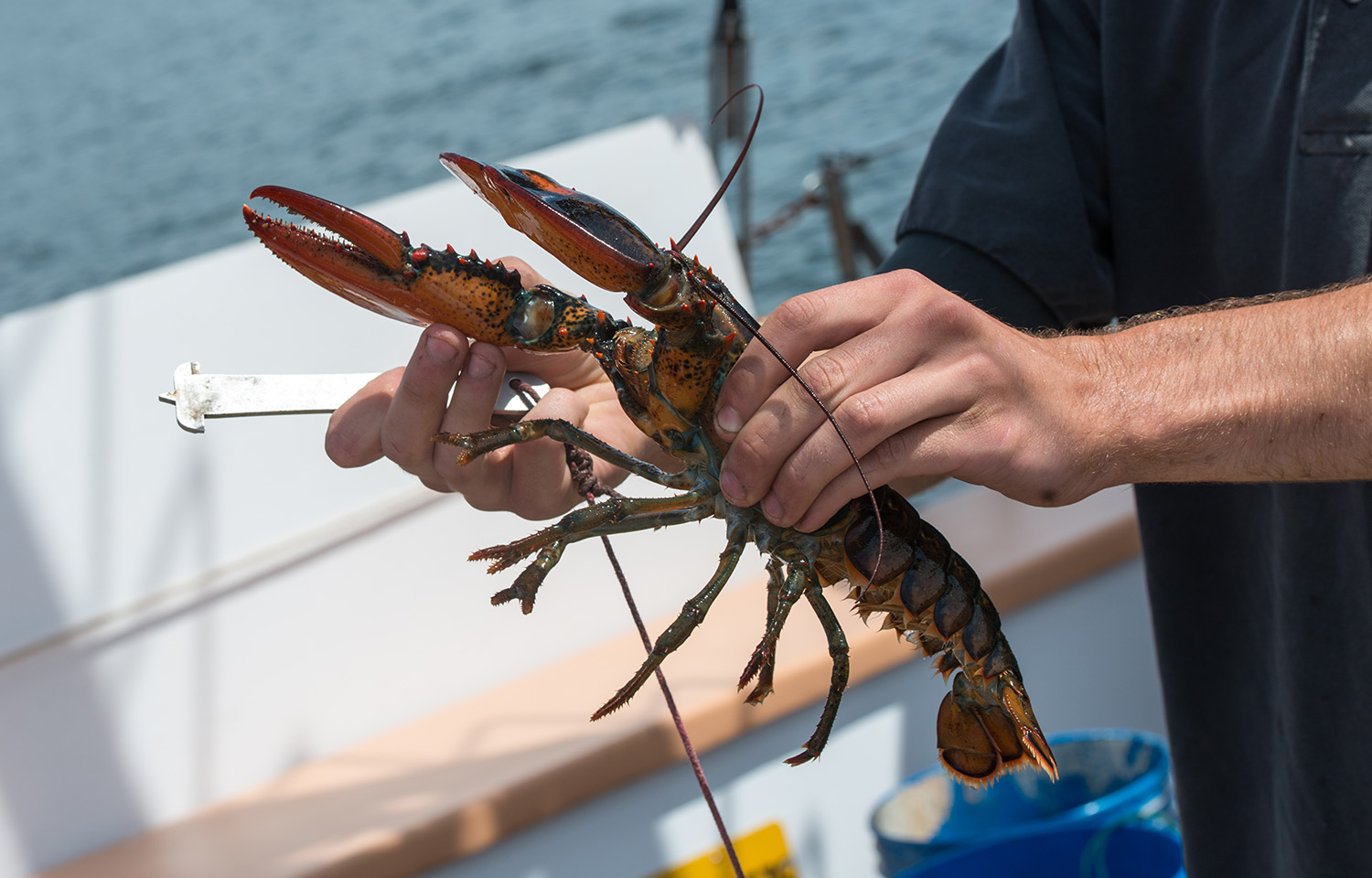
In May 2023, ASMFC adopted Addendum XXVII, which created a trigger mechanism to implement management measures to protect the lobster spawning stock biomass. Those changes would increase the gauge and escape vent sizes, based on changes in recruitment abundance. The current minimum gauge size is 3.25 inches, and the new gauges would increase that to 3.3125 inches. It would also ban imports of lobster smaller than the new gauge size.
Maine Department of Marine Resources Commissioner Patrick Keliher had pushed for a longer delay to discuss how to handle changes in fisheries management along the Canadian border, where Canadian lobstermen could end up catching lobster U.S. lobstermen were forced to throw back.
Now, ASMFC announced it has initiated “Draft Addendum XXXI” to Amendment 3 of the Interstate Fishery Management Plan for American lobster, which will consider postponing the implementation of the gauge-size increase.
ASMFC said U.S. and Canadian lobster fishery managers met in June 2024 to discuss the management structures and stock assessments in each country.
“Based on this meeting, the board determined that postponing implementation of Addendum XXVII’s biological measures to July 2025 would reduce negative impacts to the US and Canadian lobster industries in 2025 and allow Canada more time to consider implementing complementary management measures,” ASMFC said.
Keliher said the delay will provide additional time for the U.S. and Canadian fishery managers to continue working out shared management measures “that can support stock resilience throughout the Gulf of Maine and create a level playing field for U.S. harvesters.”
“It also provides time for the lobster industry in the U.S, including harvesters and dealers, to prepare for the changes outlined in Addendum XXVII,” Keliher said.
The approval also ensures compliance with federal law, as under current U.S. law, lobsters smaller than the smallest allowable size in the U.S. cannot be imported.
As the U.S. lobster industry continues to work on its gauge sizing, members of the Canadian lobster fishery are demanding stricter enforcement against illegal lobster sales.
The Coalition of Atlantic and Quebec Fishing Organizations and the Unified Fisheries Conservation Alliance said that fisheries ministers in the country need to step up enforcement of illegal sales and stop illegal harvests outside of lobster season.
"Enforcing one set of rules for everyone is the key to a strong fishery. Impartial, independent enforcement officers at Department of Fisheries and Oceans is at the heart of a sustainable fishery," Gulf Nova Scotia Fleet Planning Board President Gordon Beaton said. "We are concerned about potential changes to enforcement, we need more, not less, independent enforcement of the rules."
Prince Edward Island Fishermen’s Association President Bobby Jenkins said enforcement efforts must be applied to the whole supply chain.
"It's time provincial governments step up to slap significant fines or take away buying and processing licenses to those that buy illegal lobsters," he said.
Nova Scotia has already increased fines related to buying out-of-season lobster to CAD 1 million (USD 727,000 EUR 665,000), up from CAD 100,000 (USD 72,700, EUR 66,500).
