





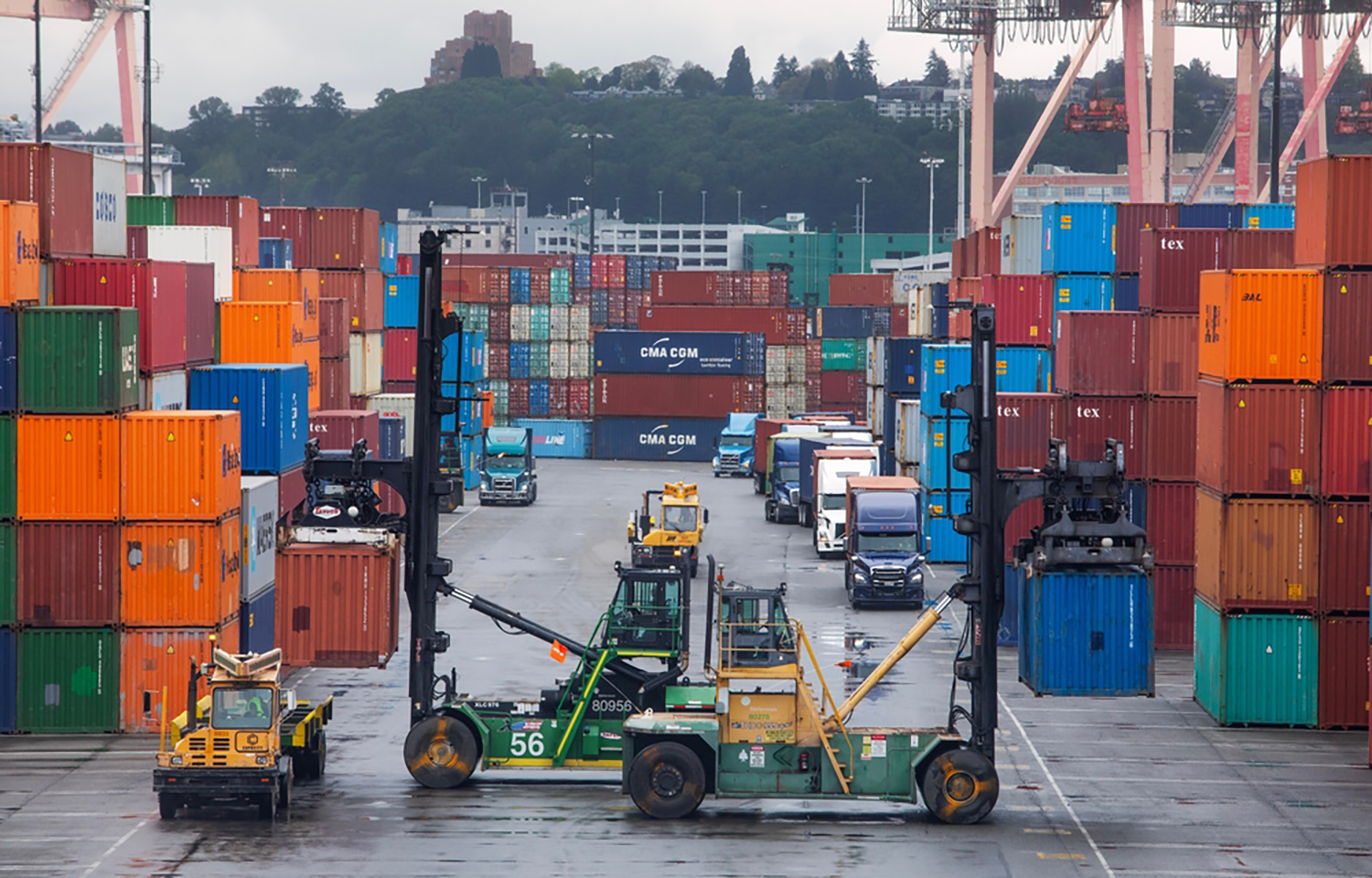
Rates for shipping containers traveling between the Far East and the U.S. West Coast have fallen, suggesting that the impact of the U.S.-China trade war is diminishing, at least for now.
The early June peak in rates between the Far East and the U.S. was a sign, logistics analysts said, of shippers’ eagerness to move goods into the U.S. during the 90-day tariff pause announced by the U.S. and China on 12 May.
Now, two leading container indexes, Drewry and Xeneta, have released data which suggests that the impact of the tariff pause is starting to wane.
"The decline is a direct result of low demand for U.S.-bound cargo and is a sign that the recent surge in imports to the U.S., which occurred after the temporary halt of higher US tariffs, will fail to have the lasting impact we had initially expected," Drewry Analyst Hind Chitty said in an industry update on 26 June.
“The Transpacific into U.S. West Coast is the key battleground for carriers when it comes to China exports,” Xeneta Chief Analyst Peter Sand added.
Signifying how rapidly rates change, only a few weeks ago, when some rates on the same route jumped by 88 percent week over week, Sand said "[ocean] carriers are telling shippers to jump, and some are replying, ‘How high?’”
Even then, however, Sand predicted that the surge in cargo movement and rates would slow as more shipments set sail during the 90-day pause.
Now, he said that shippers “are calling the carriers’ bluffs by pushing back on the higher rates and peak season surcharges.”
Drewry’s analysis of major East-West trading routes showed, on 26 June, that spot rates between Shanghai and Los Angeles and Shanghai and New York were down 44 percent and 27 percent year over year, respectively.
As always, however, volatility in the global shipping industry is likely to continue as the year progresses.
“The volatility and timing of rate changes will depend on the outcome of legal challenges to Trump’s tariffs and on capacity changes related to the introduction of U.S. penalties on Chinese ships, which are uncertain,” Chitty said.
