






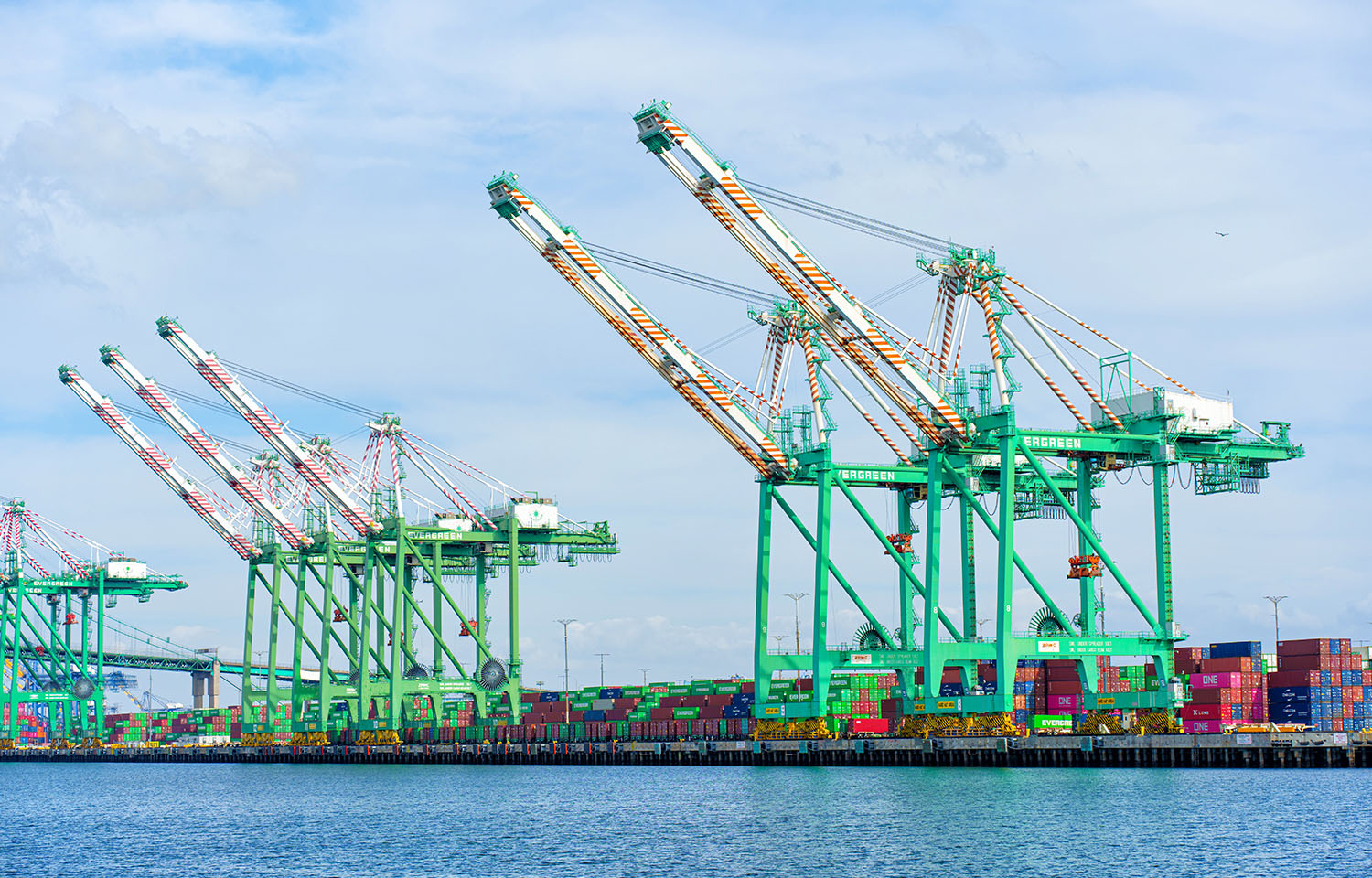
Shipping and logistics experts are predicting a sector-wide slowdown after U.S. President Donald Trump recently announced he was extending a pause on proposed tariffs on Chinese imports.
The first pause on U.S.-China tariffs, which was announced in May, resulted in a rush of cargo into the U.S. from the Far East. Rates for shipping containers went up, container availability went down, and U.S. ports saw record high volumes.
Now, experts said the effect of the pause extension will be different. They are predicting a slowdown in shipping volumes and container costs, as well as suggesting that consumers are likely to start experiencing both higher costs and less availability soon.
“Shippers have already embraced the first 90-day window of opportunity to frontload goods; there is no longer a pent-up demand to get goods into the U.S., so spot rates are expected to decline further in the coming weeks as capacity also increases,” Xeneta Chief Analyst Peter Sand said.
Drewry Supply Chain Advisors Senior Manager Hind Chitty said that Drewry’s World Container Index, a composite index which tracks multiple metrics related to the cost and availability of 40-foot equivalent units (FEUs), was down for the ninth week in a row but beginning “to stabilize after a volatile period.”
Chitty attributed the volatility to “U.S. tariffs ... announced in April, which caused rates to surge from May through early June.”
Like Sand, she said that “the big rush to ship cargo before the tariff increase is now over."
"Drewry expects spot rates to be less volatile in the coming week," she said.
Drewry, which also runs a container availability forecaster, said that it expects spot rates to continue contracting in the second half of 2025 but added the situation could still change dramatically.
“The volatility and timing of rate changes will depend on Trump’s future tariffs and on capacity changes related to the introduction of U.S. penalties on Chinese ships, which are uncertain,” Drewry said.
The National Retail Federation (NRF), which partners with Hackett Associates to produce the Global Port Tracker, a service which compares cargo volumes in U.S. ports to their historical averages, agreed that volume was likely to slow down in coming months.
“While this forecast is still preliminary, it shows the impact the tariffs and the administration’s trade policy are having on the supply chain,” NRF Vice President for Supply Chain and Customs Policy Jonathan Gold said. “Tariffs are beginning to drive up consumer prices, and fewer imports will eventually mean fewer goods on store shelves.”
Hackett Associates Founder Ben Hackett added that he believed the long-term policy uncertainty around proposed U.S. tariffs has begun to take its toll on the shipping industry more broadly.
“The hither-and-thither approach of on-again, off-again tariffs that have little to do with trade policy is causing confusion and uncertainty for importers, exporters, and consumers,” he said.
He agreed with other logistics experts who said that this latest tariff pause extension would not cause another cargo rush into the U.S.
“Friends, allies, and foes are all being hit by distortions in trade flows as importers try to second-guess tariff levels by pulling forward imports before the tariffs take effect. This, in turn, will certainly lead to a downturn in trade volumes by late September because inventories for the holiday season will already be in hand. Meanwhile, U.S. exporters are being left with unsold products as counter tariffs are applied,” Hackett said.
Though logistics and retail are the sectors likely to be most immediately affected, the impact on the U.S. economy, Hackett said, would ultimately be widespread.
“Tariffs are taxes paid by U.S. importers that will result in higher prices for U.S. consumers, less hiring, lower business investment, and a slower economy,” he said.
