



The New England Fishery Management Council (NEFMC) has moved forward with Framework Adjustment 69, approving changes to the region’s cod fishery that fishermen claim will cause dire circumstances for the industry.
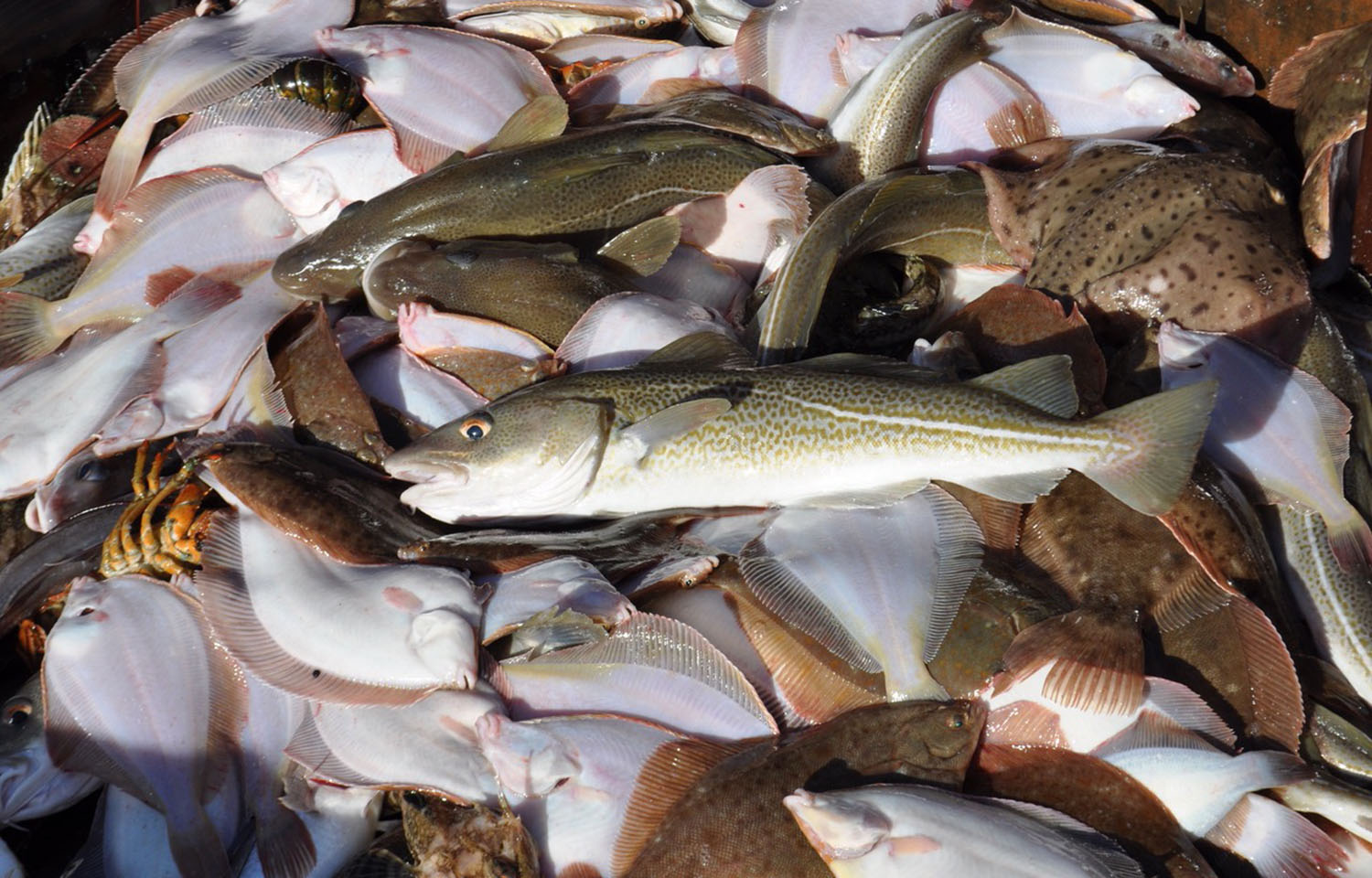
The council selected a series of preferred alternatives for Framework 69 of the Northeast Multispecies (Groundfish) Fishery Management Plan, which governs the region’s groundfishing stocks, including cod, haddock, flounder, hake, and pollock. Part of that framework was Amendment 25, which will change how cod is managed in the region and institute four separate cod stocks instead of the current two.
With the passage of Framework 69, NEFMC is officially recommending the cod stock be split into the Eastern Gulf of Maine, Western Gulf of Maine, Southern New England, and Georges Bank stocks – each with separate proposed fishing allowable catch limits (ACLs).
According to a release from the NEFMC, Eastern Gulf of Maine cod will receive an ACL of 47.2 metric tons (MT), Western Gulf of Maine cod will receive an ACL of 256.3 MT, Georges Bank cod will receive an ACL of 75.3 MT, and Southern New England cod will receive an ACL of 4.1 MT. Across all four areas, the ACL will be 382.9 MT.
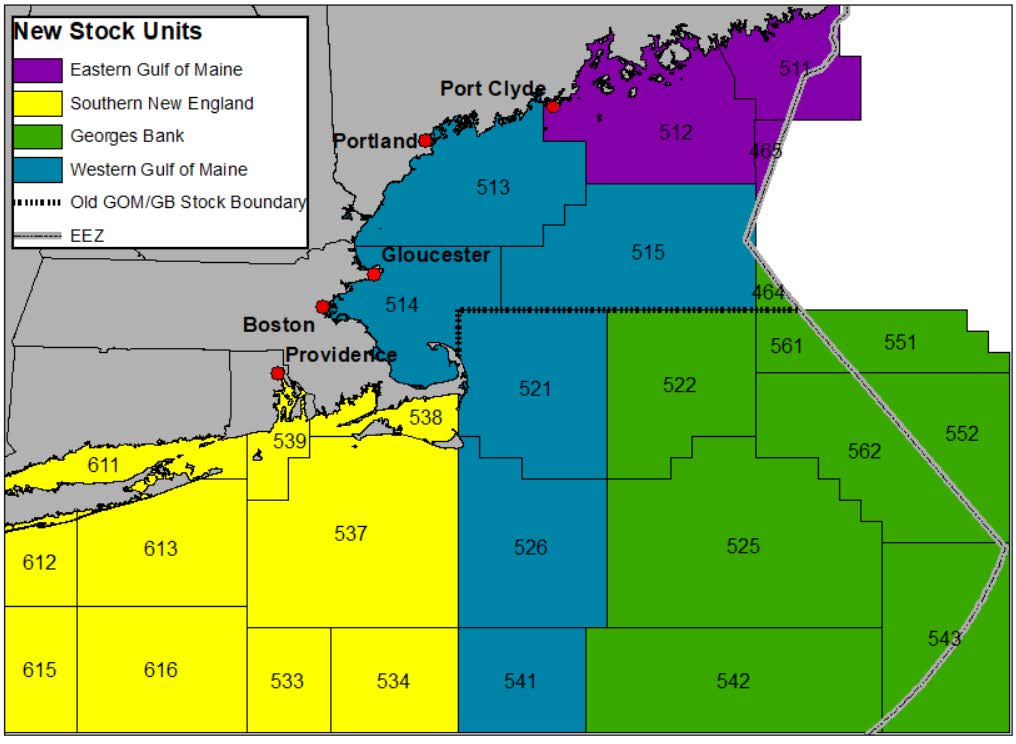
Because the four areas are new, there aren’t past ACLs to compare them to. However, comparing the total ACL of 382.9 MT to the old areas means that fishermen will have to cope with a 43 percent cut to their catch – cuts that they claim will jeopardize the future of the fishery.
New England fishermen protested the new cod management plan before the meeting started, claiming the changes will destroy the fishery.
“These restrictions are going to be the end of the trawlers and anyone else buying fish,” New England Fishermen’s Stewardship Association (NEFSA) CEO Jerry Leeman said in a statement. “Everyone in the fisheries expects Addendum 25 to torpedo their businesses.”
The cod industry in New England has been dealing with falling catches and difficult circumstances for decades, and recent assessments indicate cod stocks along the North American East Coast are facing a dire situation in both the U.S. and Canada.
Signs the fishery in New England was in a poor state were showing as early as 2011, when an assessment found Gulf of Maine cod stocks were also in dire straits. In 2014, federal regulators placed heavy restrictions on fishing for the species in the Gulf of Maine.
Cod landings in the U.S. state of Maine hit a low point in 2018, and by 2021 the allowable catch of cod for the entire region was just 514 MT.
With the fishery already struggling with low quotas, the council’s further changes could have widespread impacts on more than just the cod fleets.
"There are a lot of moving parts. The primary concern is that ground fishermen are going to leave Gulf of Maine, Georges Bank, and southern New England completely because they're so concerned about incidental intake of cod,” Leeman told SeafoodSource. “Alternatively, they could go further from shore, but that creates safety and overfishing concerns."
With the wider potential impacts to other species, Leeman said the process should have been more deliberate.
"There's also a strong feeling this measure should go through full notice-and-comment rather than a rushed council process,” he said.
Fishermen in the region have had to grapple with bycatch concerns before for groundfish. In 2023, fishermen were reportedly catching haddock at high rates; Leeman said at the time fishermen were doing their best to avoid them because, for most, catching them actually costs more money than they can earn.
Haddock will see yet more quota cuts in 2025, with the total quota across Georges Bank and the Gulf of Maine dropping from 8,005 MT in 2024 to just 3,968 MT in 2025. All of that cut will be in Georges Bank, which is dropping from 6,570 MT to 1,515 MT.
“We run away from the damn things because it costs us financially to catch them,” Leeman said of haddock at the time. “You have to be on top of your game and stay away.”
