




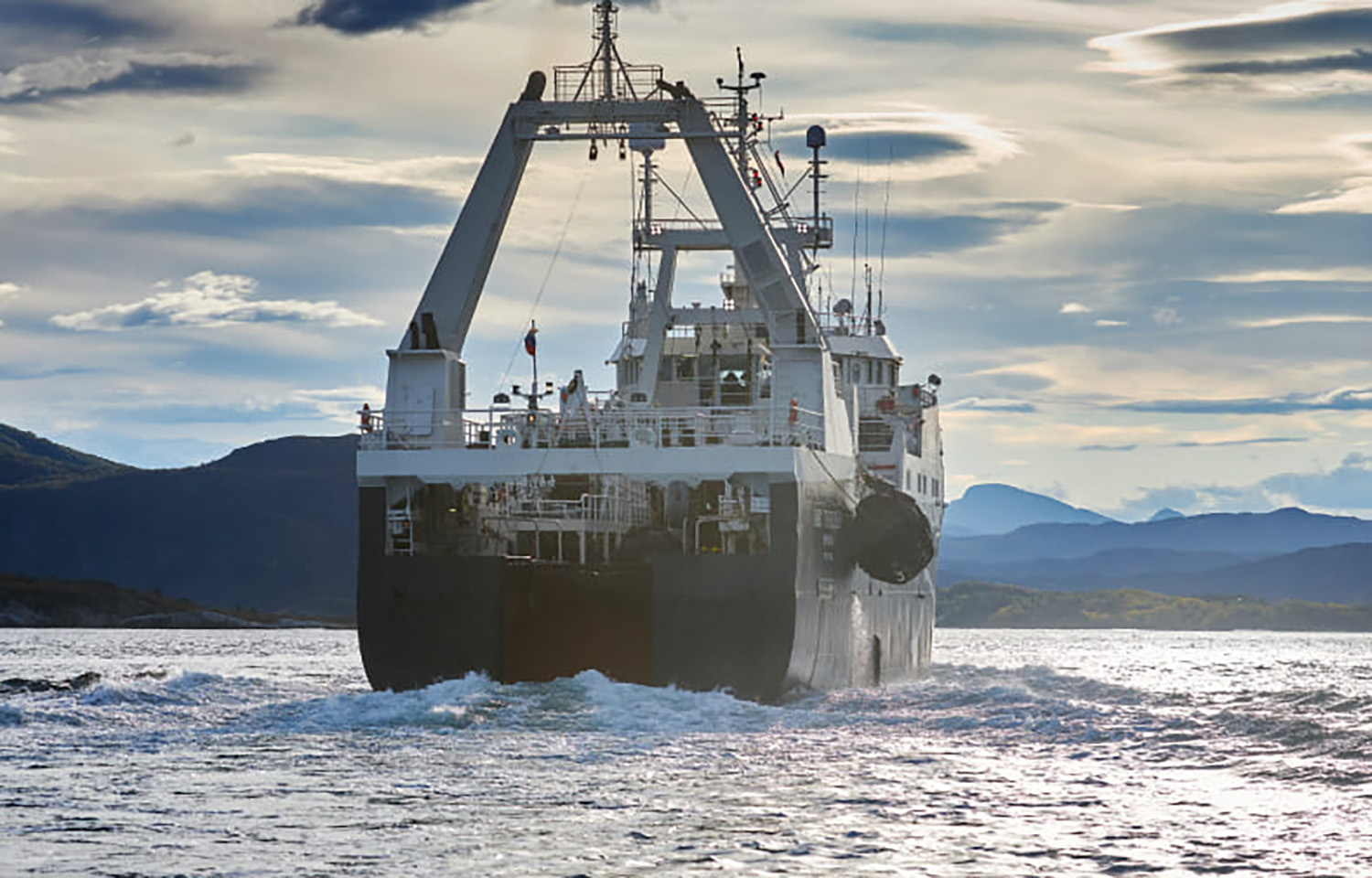
A district court in Norway has ruled that the country can use its Sanctions Act to ban Russian fishing company Norebo from fishing in its waters.
In July 2025, Norwegian authorities announced that Norebo and fellow Russian fishing firm Murman Seafood would be banned from Norwegian harbors and would not have their licenses to fish in Norwegian waters renewed for 2026 due to alleged espionage.
In response to the sanctions, Russian authorities threatened to ban all Norwegian fishing in Russian waters.
Though the two nations were able to reach an agreement on fishing quotas in 2026 for shared Barents Sea stocks, tensions remained, and Norebo sued Norway, demanding the restoration of its fishing license in the Norwegian waters. The company claimed that under the bilateral agreement between Russia and Norway, sanctions could apply only if ships were suspected of specific activities listed in the agreement, such as overfishing.
According to the Norwegian media outlet Fiskeribladet, the courts disagreed, stating that Norway’s so-called sanction law applied in the case.
“The district court agrees that the sanctions law applies, and therefore, the fishery department was not allowed to give these companies licenses,” Kaija Bjelland, a lawyer for the Norwegian government, told the outlet.
The court also rejected the company’s demand for a temporary injunction. Norebo still has the option to appeal the decision to a higher court.
The two firms have also been handed sanctions by the E.U., Iceland, and the Faroe Islands for the same espionage accusations, and Russia has responded with threats of accusation in kind.
Nevertheless, Russia has still signed fishing agreements for 2026, including with the Faroe Islands.
According to Faroe Islands officials, the sanctioning of the two companies was a non-negotiable condition for the 2026 talks, and though it complicated the negotiations, the two sides ended up securing a deal.
“It may have made the negotiations more difficult than otherwise. That's a trend that we have experienced in the last few years,” Faroese Minister of Fisheries Eirikur í Jákupsstovu told Faroese news outlet KVF.
