





In July, China announced plans to eliminate all tariffs on imports of African goods.
Responding to the move, countries like Somalia are drastically trying to improve their infrastructure so that they can properly take advantage of the new policy.
“This policy change holds great potential for Somali seafood exports. However, realizing a significant increase in exports will depend on addressing several critical enablers, particularly in infrastructure, compliance, and market access facilitation,” Nor Daud Ibrahim, a fisheries officer at the Somalia Ministry of Fisheries and Blue Economy, told SeafoodSource. “This includes strengthening seafood quality standards to meet international safety and traceability requirements. It also includes facilitating both local and international investment into the Somali fisheries sector and developing and implementing comprehensive fisheries policies, strategies, and legal frameworks to ensure that all required technical systems and official controls are in place.”
More specifically, to reach its potential, Nor said Somalia needs investment in vessels and ports.
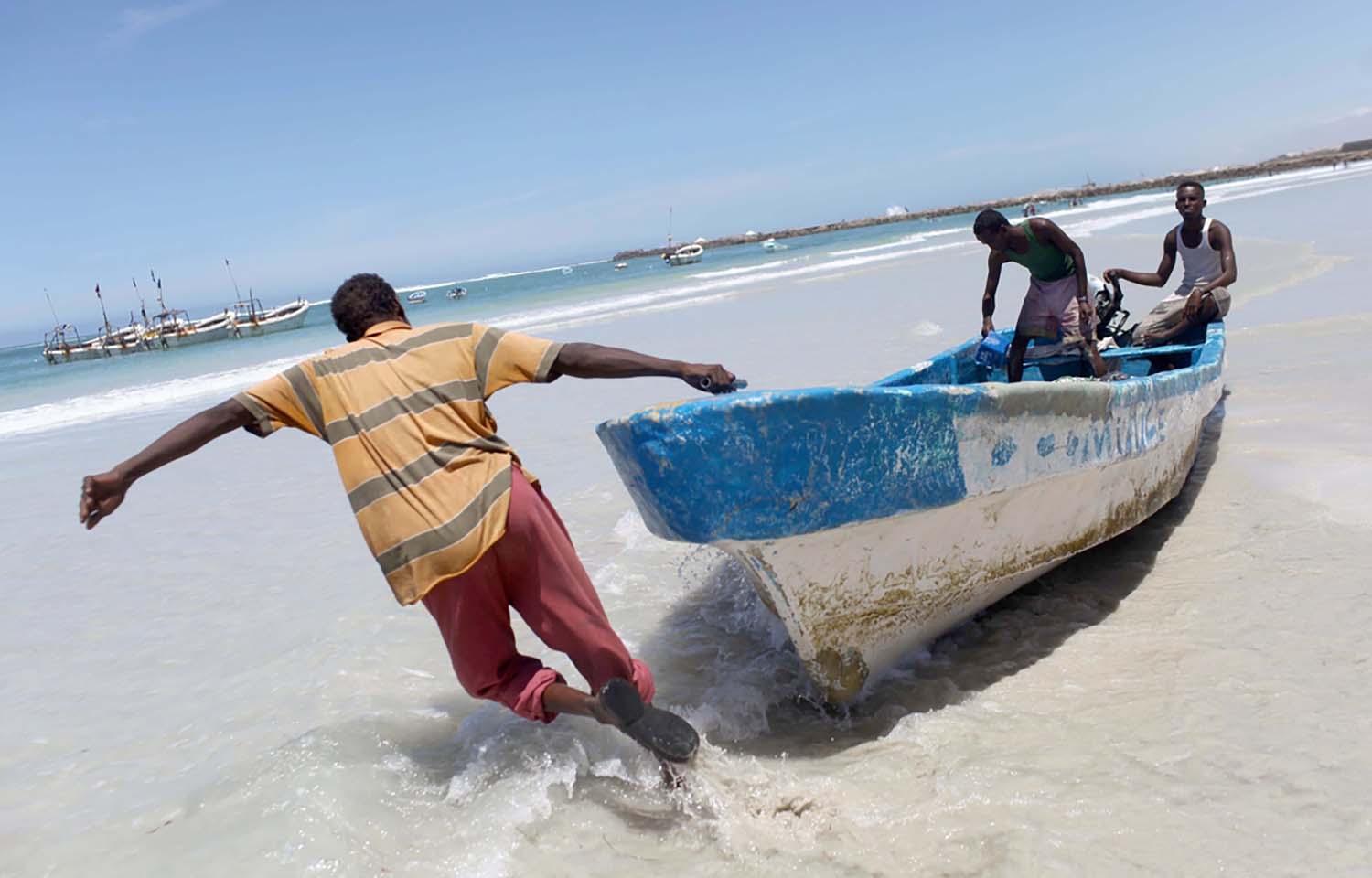
“Our small-scale fishing vessels are vulnerable to adverse weather conditions, strong currents, and the impacts of climate change. At the same time, we recognize that logistics, especially cold chain systems, transport infrastructure, and port handling, need to be upgraded to support increased and consistent volumes of high-quality exports. This is a parallel priority being explored through public-private partnerships and engagement with development partners.” he said. “With continued efforts to address infrastructure and compliance, Somalia is well-positioned to further benefit from new trade policies like China's and expand its global seafood presence shortly.”
Some countries already have a leg up on Somalia when it comes to seafood trade with China.
Late last year, China signed protocols with a limited number of African countries, such as Uganda, Sierra Leone, and Madagascar, to allow imports of wild and farmed seafood, giving those countries valuable experience in the process and requirements they need to follow in order to ship seafood to China.
There are no such protocols in place between China and Somalia, according to Nor.
“Some trade has taken place via third countries, but Somalia and China have not yet finalized dedicated export protocols covering sanitary and phytosanitary requirements,” he said. “The Somali government is eager to explore opportunities for establishing such arrangements with relevant Chinese authorities, but at present, there are no formal, large-scale direct exports of Somali seafood from local producers to China. We consider the Chinese market a promising opportunity for Somalia’s seafood sector, and developing the necessary agreements remains an important area for future cooperation.”
Nor added, however, that the East African country has put measures in place that should help the country ramp up seafood exports to China quickly once the infrastructure is in place.
Last month, Somalia’s Ministry of Fisheries and Blue Economy published new regulations for controlling and managing the safety and quality of the nation’s fishery products. The regulations include the creation of a dedicated national agency responsible for monitoring fish quality and ensuring food safety across Somalia’s fishing sector.
“The establishment of the Somalia Fisheries Competent Authority is central to this effort,” Nor said. “It is being developed to issue export health certificates, enforce traceability, and ensure that fishery enterprises – vessels, factories, and landing sites – comply with the hygiene, handling, and documentation standards required by international markets, including China.”
Abdul Boss, the owner of Somalian fishing firm Horn Import & Export Fishing, is not as optimistic about the new Chinese policy.
He told SeafoodSource the tariff deal “sounds generous on the surface, but in practice, the picture is more complex and arguably strategic” in establishing greater inroads with countries like Somalia, where distant-water fleets engage in illegal fishing activities due to “weak governance” and Somalia’s lack of a maritime force.
Still, Somalia has increasingly sought a strengthened relationship with China.
Earlier this year, the administration of U.S. President Donald Trump pulled the plug on millions of dollars in aid funneled through the U.S. Agency for International Development (USAID), causing officials from developing countries such as Somalia to more heavily rely on China for assistance, such as fishery development aid.
Experts critical of the U.S.’s attempts to gut USAID warned of situations like the one going on in Somalia, saying that though the agency sends money to other countries, its projects also reap less quantifiable rewards for the U.S. on which it is now missing out.
“USAID, Peace Corps, Farmer to Farmer volunteers, and more have supported hundreds of thousands of small businesses to start up and build free market economies that have raised the standard of living for millions around the world,” Kevin Fitzsimmons, an aquaculture specialist and an environmental science professor at the University of Arizona who has consulted on USAID projects, told SeafoodSource. “These … turned many into consumers of U.S. trucks, boats, and farm tools. I can guarantee that lack of U.S. investment will induce them to buy from China or the E.U. instead.”
