


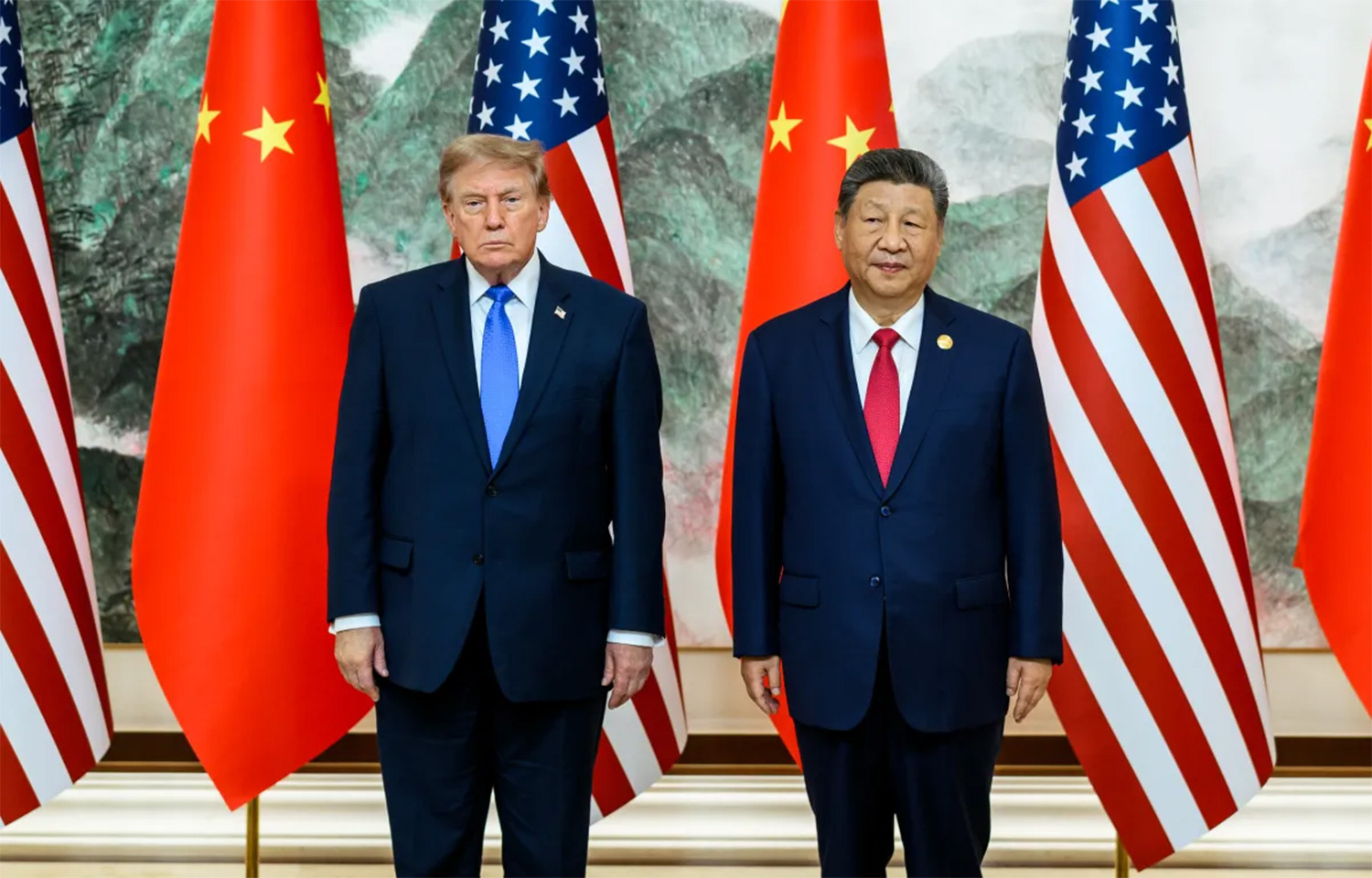
The administration of U.S. President Donald Trump has proposed a new set of tariffs on China, the E.U., and more trade partners, with many top seafood trade partners on the list.
United States Trade Representative (USTR) Jamieson Greer announced that after Section 301 investigations, China, the E.U., Singapore, Switzerland, Indonesia, Malaysia, Cambodia, Thailand, Korea, Vietnam, Taiwan, Bangladesh, Japan, and India have all performed actions that allow the imposition of Section 301 tariffs. As a result, those trade partners could be subject to a range of tariffs, from 15 percent for Taiwan to as high as 35 percent for Vietnam.
“For decades, many of our trading partners have adopted industrial strategies built on targeting manufacturing, wage, and labor suppression, financial and other support, non-market economy inputs, and other market distorting practices that tilt the trade balance in their favor while eroding America’s manufacturing base,” Greer said in a USTR statement. “In recognition of this, since 2016, leaders ranging from Donald Trump, to Joe Biden, to Xi Jinping, to Emmanuel Macron have recognized the threat that structural excess capacity and production poses for the global economy. But, where successive statements at the G7, G20, WTO, and other fora have not resulted in change, President Trump is proposing to take action to bring about the elimination of these unfair acts, policies, and practices. In doing so, we can level the playing field for American workers and chart a new, more sustainable course for the world economy.”
The tariff rates are:
- Bangladesh, 18 percent
- Cambodia, 18 percent
- China, 20 percent
- E.U., 15 percent
- India, 25 percent
- Indonesia, 18 percent
- Malaysia, 18 percent
- Singapore, 20 percent
- South Korea, 15 percent
- Switzerland, 15 percent
- Taiwan, 15 percent
- Thailand, 18 percent
- Vietnam, 35 percent
The USTR also carved out exemptions for certain products. For example, certain bovine and beef products from Vietnam will be exempt from the 35 percent tariff. The same is true for India, which is one of the U.S.’s largest seafood trading partners and one of the top exporters of shrimp to the U.S. Though carveouts exist for some food items, there are currently no mentions of seafood across all the countries mentioned in the tariffs. India alone accounted for USD 2.6 billion (EUR 2.4 billion) in seafood exports to the U.S., according to NOAA data, meaning U.S. importers will be facing tariffs on billions worth of seafood if the tariffs are implemented.
We Pay the Tariffs, a coalition of more than 800 small businesses that has consistently pushed back against the Trump administration’s tariffs, said these ones will also cost U.S. businesses.
"Three weeks ago, voters unambiguously rejected tariffs that have worsened the affordability crisis and devastated small businesses,” We Pay the Tariffs Executive Director Dan Anthony said. “Customers can’t afford more price increases, but small businesses can’t afford to absorb tariffs on top tariffs either. As if their unpopularity wasn’t bad enough, the tariffs also have failed to achieve any of the administration’s stated objectives. Congress must listen to voters and end these tariffs immediately."
The latest tariffs add on to sweeping Section 301 tariffs the administration launched in July, which cited forced labor. Those tariffs came after the U.S. Supreme Court struck down Trump’s International Emergency Economic Powers Act (IEEPA) tariffs after deeming them illegal.
We Pay the Tariffs claimed the latest Section 301 investigations are a means of circumventing the court ruling to reinstitute the tariffs.
“The new tariffs generally would come on top of the Section 301 'forced labor' tariffs already in place and seek to replicate the levels under the IEEPA tariffs struck down by the Supreme Court,” it said. “The Court of International Trade has ruled against Section 122 tariffs that were imposed as a bridge between the Supreme Court decision and the imposition of the Section 301 forced labor tariffs, demonstrating the administration’s intent to impose sweeping tariffs regardless of their legality.”
More tariff exemptions could be announced, as the USTR will be taking public comment and holding hearings on the proposals.
