
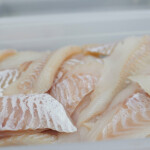


A Chinese aquaculture firm has teamed up with the military in Laos to produce pangasius as well as tilapia for the Chinese market.
Shenzhen Hua Da Ocean Science & Technology Co. (also known as BGI Shenzhen Co. Ltd.) aims to farm and process 20,000 metric tons of pangasius per year in facilities located near the Laotian section of the Mekong River.
BGI Shenzhen, which has subsidiaries including a bluefin tuna trading firm in Australia, is in turn majority-owned by Yee Hop Holdings firm, a Hong Kong-listed holding company domiciled in the Cayman Islands. BGI, according to a filing by Yee Hop, “has developed in a number of areas which include conservation and utilization of aquatic genetic resources, molecular breeding of aquaculture species using ecological and industrial cultivation method… intensive processing and sale of aquatic products as well as import and export trade.”
BGI’s announcement regarding its expansion in Laos is the latest development since the company set up a Laotian subsidiary in 2016. The company says it will partner with the General Logistics Department at the Laotian Defense Ministry, which has a large stake in the country’s largely state-controlled economy. Photos published by the Laotian Defense Ministry of the project show hectares of earthen ponds in what looks like an intensive approach to aquaculture.
BGI boss and founder Xu Jun Min, who has a master’s degree in animal nutrition from Shanghai Ocean University and who has several staff members who are experts in shrimp genetics, set up the firm in 2012. He said the company will transport the pangasius into Yunnan Province, one of China’s more remote and sprawling provinces. However, Laos’ patchy infrastructure will add a degree of difficulty to that process.
Long an ally of China, Laos operates under a similar political system to its larger neighbor but also remains close to neighboring Thailand, with which it has close ethnic links.
