




The Chilean Salmon Council is working to expand its focus beyond aquaculture and take a broader role in the economic and environmental development of the country as it works to contribute to rulemaking in the country’s Biodiversity and Protected Areas Service law (SBAP).
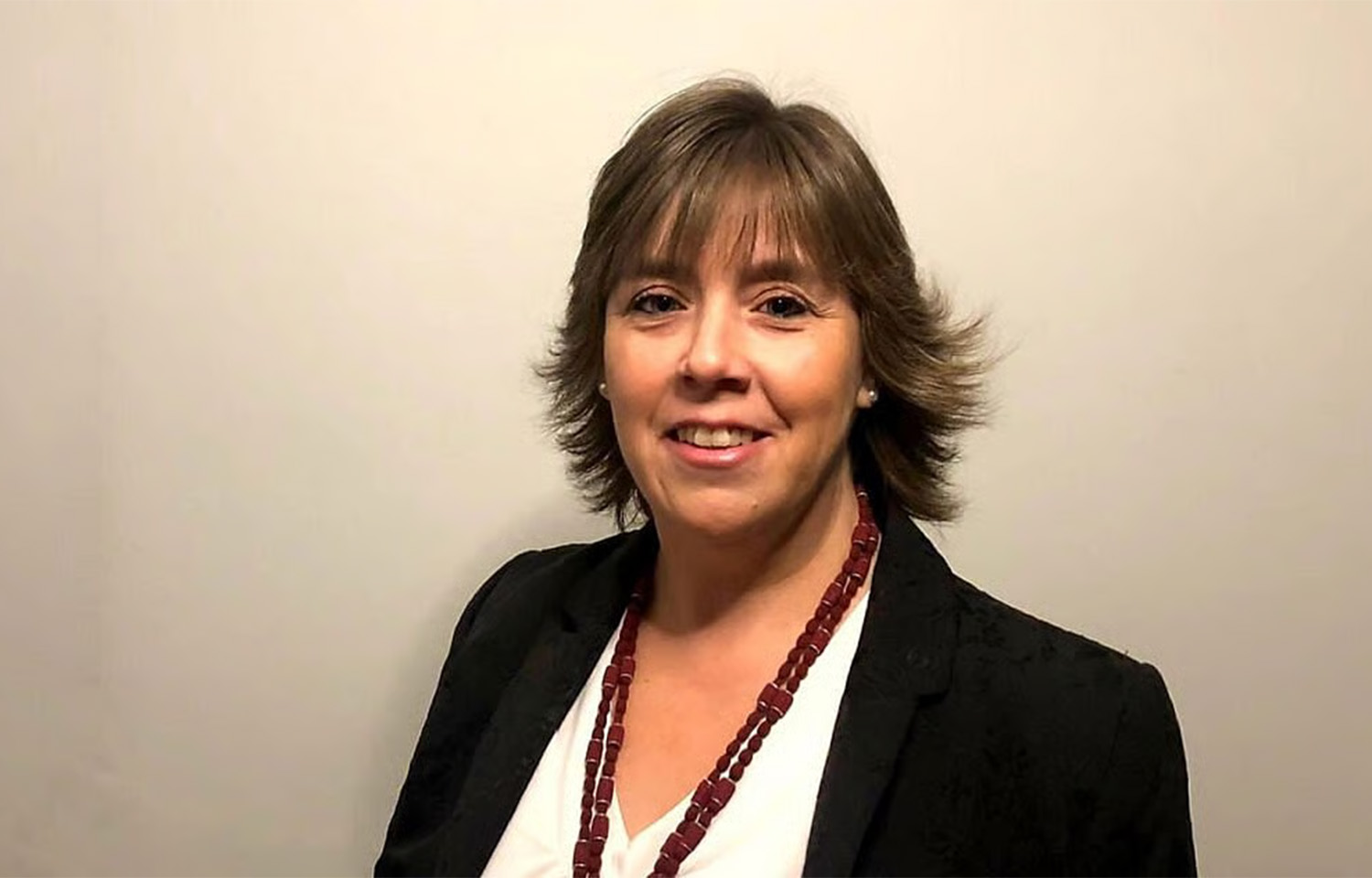
Chilean Salmon Council Executive President Loreto Seguel said the organization has engaged in initiatives connecting salmon farming with agriculture, tourism, gastronomy, and biodiversity conservation. The initiatives contributed to a different way of understanding and presenting the role of the salmon industry within regional ecosystems and communities.
“It is the salmon council’s position to support productive sectors relevant in the region, and how we work together,” she said.
The projects are underway with the SBAP as a backdrop. The SBAP, which was passed in 2023, will define the regulatory framework for conservation and protected areas through a set of 14 regulations that have yet to be implemented. Seguel said the council anticipates shifts in how aquaculture is handled under the current administration of President José Antonio Kast, in contrast with his predecessor, Gabriel Boric.
Seguel said the council has sought to participate actively in the drafting process for those rules, particularly through citizen consultation and technical review stages.
“For this reason, it has been important for us to participate in citizen consultations and participation in the drafting of the regulations,” she said. “What’s positive for us is to have the possibility with the current government to be able to review our opinions – what was correct, what is the feedback regarding these observations. That’s something we never had before.”
The council argues that the implementation phase of SBAP will ultimately determine how effectively Chile balances environmental protection with productive activity.
“The country requires us to seek agreements to protect the environment and drive the sustainable development of the productive sectors,” Seguel said. “We have to take care of the ocean. We are the most interested in doing so.”
Among the council’s primary concerns are legal certainty for existing aquaculture concessions, technical criteria for defining protected areas, institutional coordination between regulatory agencies, and ensuring that consultation processes include meaningful participation from affected sectors.
The council has also emphasized that new regulations should not apply retroactively in ways that affect previously granted rights without compensation or clear procedures.
“Legal certainty is an essential condition for long-term productive investment,” Seguel said.
According to the Salmon Council, the central debate surrounding SBAP lies not in the law itself, but in how the 14 regulations are ultimately designed and implemented.
The organization said it has maintained continuous legislative monitoring throughout the process, while also coordinating with member companies and other productive sectors to formulate technical proposals and observations.
Seguel said the council has established regulatory and legislative committees made up of specialists from member companies in order to develop collective proposals regarding SBAP implementation.
As the Chilean Salmon Council advocates for its voice to be included in SBAP implementation, it has already undertaken new efforts to participate in more parts of the country’s economy. One of those efforts, dubbed AgroSalmon, emerged from the council’s work to identify links between salmon farming and Chile’s agricultural sector, particularly as salmon feed formulations have evolved over time.
Seguel said that roughly 60 percent of salmon feed now consists of vegetable protein rather than marine-origin ingredients, creating a natural connection between salmon farming and agriculture.
“When you look at the salmon feed and realize that today 60 percent is vegetable protein, then it makes a whole lot of sense that we get together with the agricultural world, because we are united in something essential,” she said.
The initiative seeks to better understand and strengthen the productive chain associated with these ingredients. According to Seguel, the council is working on the first value-chain study focused on the relationship between salmon farming and agriculture in Chile.
Rather than treating agriculture and aquaculture as isolated industries, Seguel said AgroSalmon is intended to demonstrate how multiple productive sectors can create broader regional impacts when they work collaboratively.
“There are sectors that we can work together,” she said. “Beyond the roles of our sector, of our industry. I’m obviously in the salmon-farming industry; they’re in agriculture. But when we combine efforts, we are no longer in three regions, we are in six regions that are impacted by this work.”
The council’s second initiative takes a broader territorial approach, focused on strengthening local capabilities in tourism and gastronomy.
“The Salmon Adventure II” – a partnership between the Chilean Economic Development Agency (Corfo), the Salmon Council, the Puerto Aysén Chamber of Tourism, and the tourism consultancy Guazzini – aims to drive more sustainable tourism aligned with international standards, transferring knowledge and capabilities to tourism and gastronomy entrepreneurs in the region.
Seguel said there have also been efforts to introduce entrepreneurs from Aysén to new technologies, experiences, and professional training opportunities outside the salmon sector.
“For example, they [entrepreneurs] came to Santiago, they had meetings at Google, they went to visit [renowned local chefs] Coco Pacheco and Rodrigo Barañao, who taught them many things in their fields,” she said. “That’s not necessarily the role of salmon farming. It’s not a product for salmon farming.”
For the Salmon Council head, the initiative reflects a philosophy that the industry must support the wider economic ecosystem of the regions where it operates.
“If I form part of a region, I am part of the ecosystem, I cannot not support tourism, I cannot not support the gastronomy that is essential in Aysén,” she said.
The council has also backed BioAysén, a biodiversity conservation initiative in the Aysén Region that aims to create a platform for valuing biodiversity and natural capital along Aysén’s coastal areas.
Seguel described the effort as pioneering and said it represents another example of the industry supporting priorities that extend beyond salmon production itself. The biodiversity project is being developed as a public-private initiative alongside Corfo, with the support of the Salmon Council.
“It’s not direct because we are dedicated to salmon farming, but when you care, you support it,” Seguel said.
For the Salmon Council, initiatives such as AgroSalmon, the Salmon Adventure, and BioAysén are intended to demonstrate that the industry’s role increasingly extends beyond fish production and into broader regional development, environmental stewardship, and long-term collaboration with other sectors that shape southern Chile’s economy and ecosystems.
“We can build proposals – not those created by the council, not those created by a particular company, but those that we all believe form this union where we join forces and form a more concentrated voice, thinking about the vision of the Chilean salmon farming industry, at the service of the new SBAP,” she said.
