



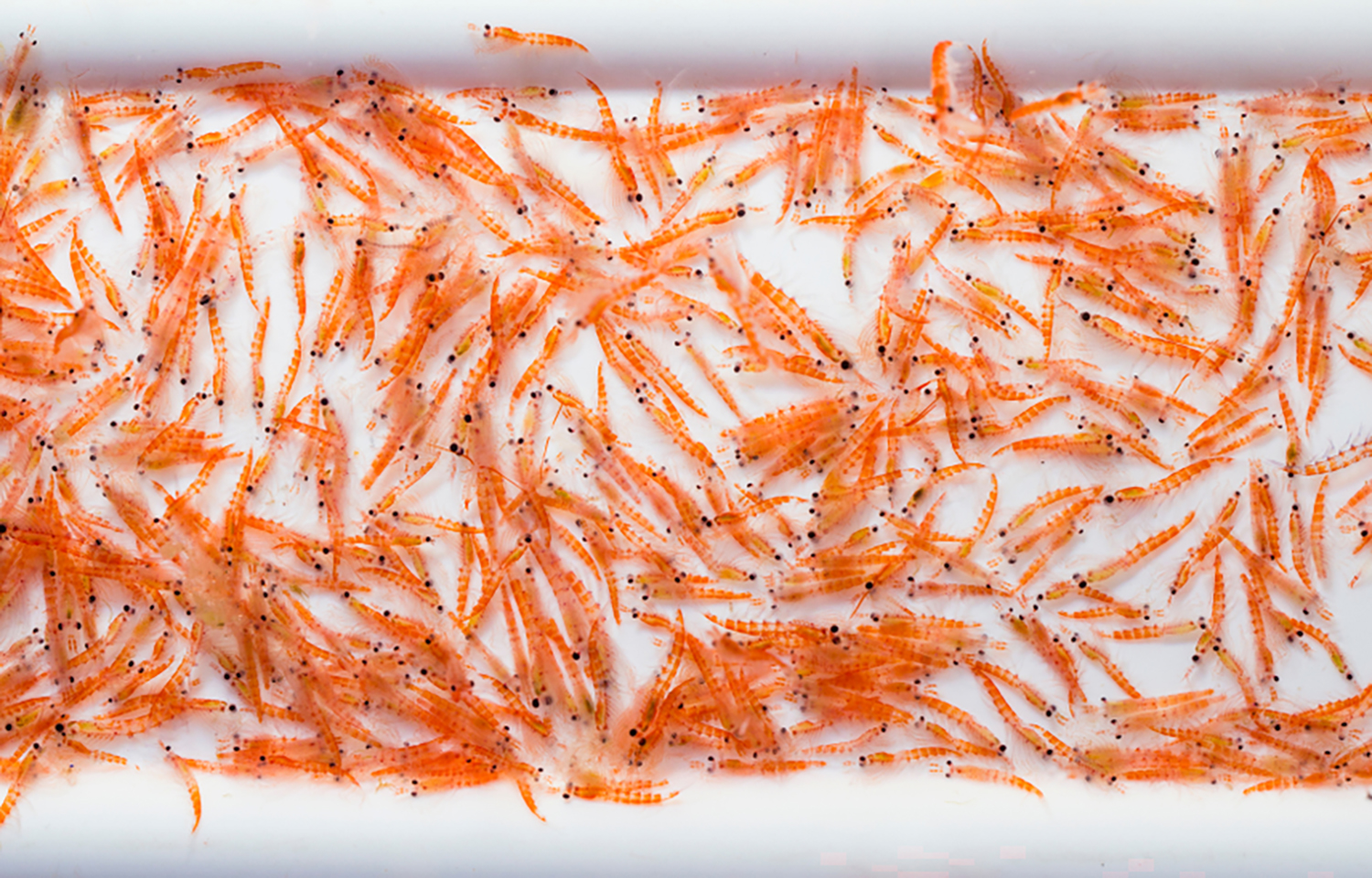
Krill firm Aker BioMarine and a coalition of NGOs will continue their joint involvement in a research organization dedicated to protecting biodiversity in the Antarctic, despite both sides disagreeing on the Marine Stewardship Council’s (MSC) decision earlier this year to recertify krill stocks.
The Antarctic and Southern Ocean Coalition (ASOC), which is an alliance of over 150 environmental organizations in over 40 countries aiming to protect Antarctica and the surrounding Southern Ocean, partnered with Aker to establish the Antarctic Wildlife Research Fund (AWR) in 2015. The fund – financially backed by Aker – aims to support scientific studies of the Antarctic marine ecosystem.
MSC’s February decision to recertify krill stocks in the Antarctic has drawn split reactions from the decade-long collaborators.
“We believe that the fishery does not meet the MSC standard on several key points, including its potential effects on the broader ecosystem and the effectiveness of its management body,” ASOC Executive Director Claire Christian told SeafoodSource. “Our objection is mainly intended to ensure that the gaps we see in the certification body's analysis are corrected so that the fishery can be scored accurately.”
ASOC has officially sought to have MSC certification withdrawn from the krill fishery, with Christian explaining her organization is “concerned that certification would send the wrong message about this fishery, particularly given that many Conservation of Antarctic Marine Living Resources [CCAMLR] members and their scientific experts believe that additional management measures need to be put in place immediately to prevent potential impacts on the ecosystem.”
Meanwhile, Pål Skogrand, the chief policy officer at Aker QRILL Company, which Aker BioMarine spun off in 2024 as an independent business handling the harvesting and processing of krill, told SeafoodSource that such management decisions as the early closure of the krill-fishing season in 2025 “shows that the system works and has no negative influence on recertification.”
Aker BioMarine became the first krill company to carry the MSC label in 2010 and has been recertified multiple times since then. It is now undergoing another recertification process to maintain its MSC-certified status, which Skogrand said takes 14 to 15 months and includes review of over 300 scientific references, site visits, multiple draft reports, and independent peer review.
As for MSC’s February decision, he said that the certifying body’s decision and the collaboration with ASOC on AWR are “separate tracks.”
Similarly, Christian said that ASOC’s objection is “with how the certifier characterized the information on the fishery and its management, not with Aker.”
“As Aker has stated publicly, they support the adoption of an Antarctic Peninsula marine protected area and the adoption of a new krill fisheries management approach, and ASOC also supports these,” she said. “We also both support the need to continue improving scientific knowledge about the krill fishery and its surrounding ecosystem.”
