


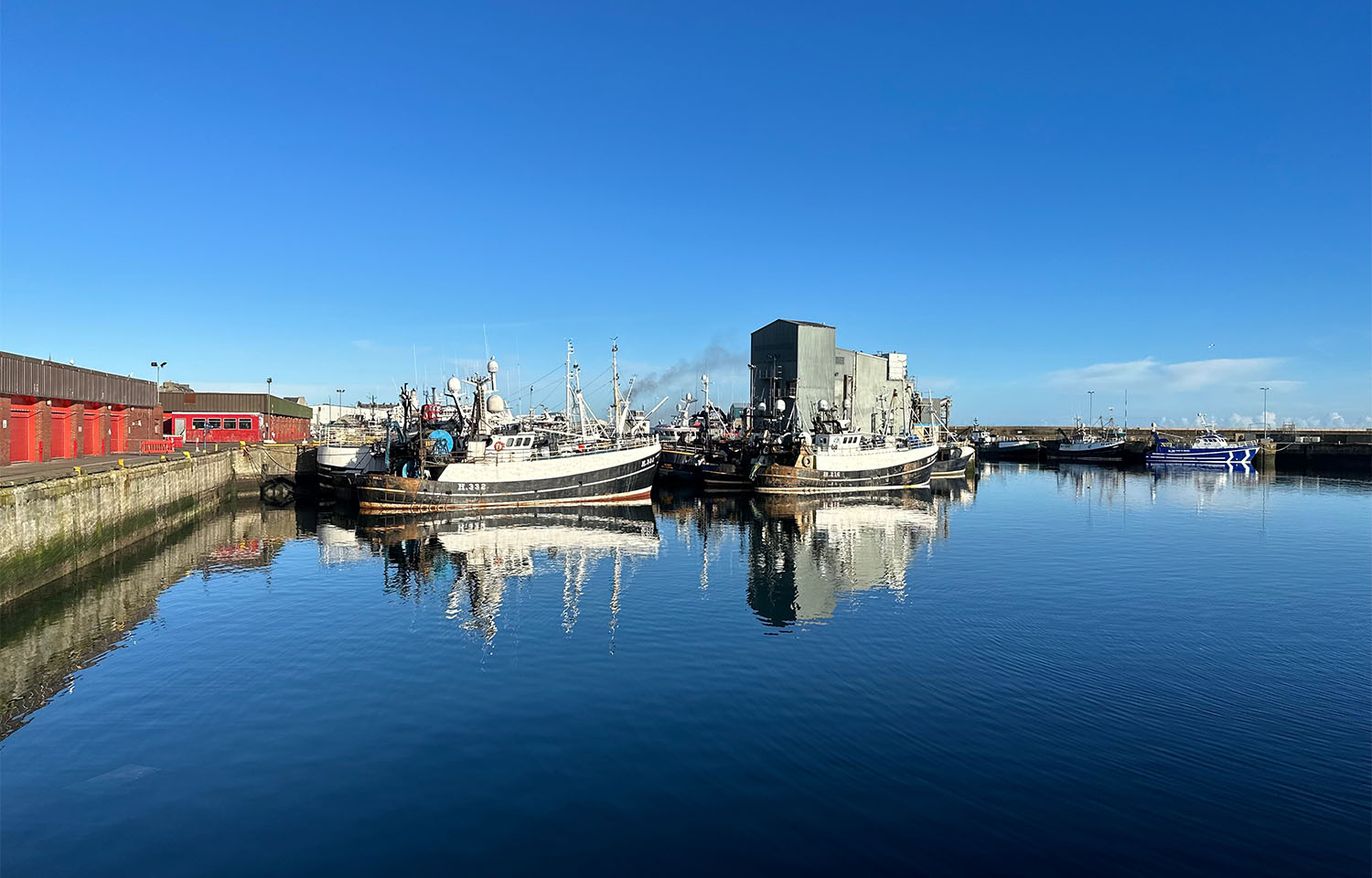
The Marine Conservation Society (MCS) has downgraded fisheries for multiple species in its Spring update to the Good Fish Guide, which recommends species based on environmental concerns.
MCS said its new ratings take into account the declines of the various species, and provide a more up-to-date view of those species’ sustainability status. As a result it has placed all U.K. wild-caught cod in the “red” category, instead recommending consumers purchase fish from Iceland or other similar fisheries.
“Several U.K. cod populations have been in decline since 2015, due to overfishing, climate-driven changes in sea temperatures, and ecosystem pressures that affect breeding and juvenile survival,” MCS said in a release.
MCS recommended consumers seek out other species, such as European hake or some fisheries for U.K. haddock – which have fewer sustainability concerns, it said.
“We need strong action from the U.K. Government to support a transition to low-impact fisheries and sustainable seafood farming,” MCS Head of Sustainable Seafood and Ocean Regeneration Chris Graham said in a release.
The rating comes after the International Council for the Exploration of the Sea (ICES) recommended no commercial cod catch in 2026 for fisheries in the northern shelf, which includes U.K. fisheries. At the time, fishing groups like the Shetland Fishermen’s Association called the ICES advice to halt the fishery “fleet-ending madness.”
Despite the ICES recommendations Norway, the E.U., and the U.K. agreed to preserve a fishery for cod, with Scotland’s quota in the North Sea standing at 11,164 metric tons (MT).
Alongside cod, some U.K.-caught langoustine fisheries, which can also be known as scampi, were also downgraded due to fishing levels coming in above scientifically recommended amounts.
“The sustainability of langoustine has always varied depending on how and where it is caught – with better choices being caught by pot or creel, rather than trawled,” MCS said. “The only three green-rated options for the species are those caught by pot or creel in North Minch, South Minch and Skagerrak and Kattegat.”
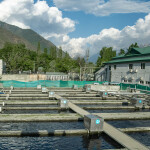
MCS said it has now added a new rating for U.K.-farmed king prawns. Eden Valley Prawns recently began harvesting prawn from its land-based farm in Scotland, and other farms, including Three-Sixty Aquaculture and Flo-Gro Fresh, are currently in development of new farms.
“Farmed in a completely closed system, these prawns have a much lower environmental impact,” MCS said.
MCS also has several “okay” rated langoustine fisheries, including multiple bottom trawl fisheries and one pot fishery.
In addition to the cod and langoustine downgrades, MCS announced another downgrade for mackerel, which was already downgraded in 2025. The species is now red-rated by MCS, meaning its guide advises consumer to completely avoid purchasing it.
The announcement comes as U.K. retailers have already begun pulling back from sourcing mackerel from the Northeast Atlantic fisheries. Waitrose announced in February it has halted all sourcing of mackerel from the Northeast Atlantic, as it says the fisheries no longe meet its sustainability guidelines.
The mackerel fishery lost its Marine Stewardship Council (MSC) certification in 2019 and has remained overfished ever since, with the E.U. recently setting a quota that is still much higher than ICES advice.
