






Multiple environmental NGOs are calling on the Inter-American Tropical Tuna Commission (IATTC) to adopt harvest strategies for multiple tuna species and take another look at a management procedure for Pacific Bluefin tuna at its next meeting.
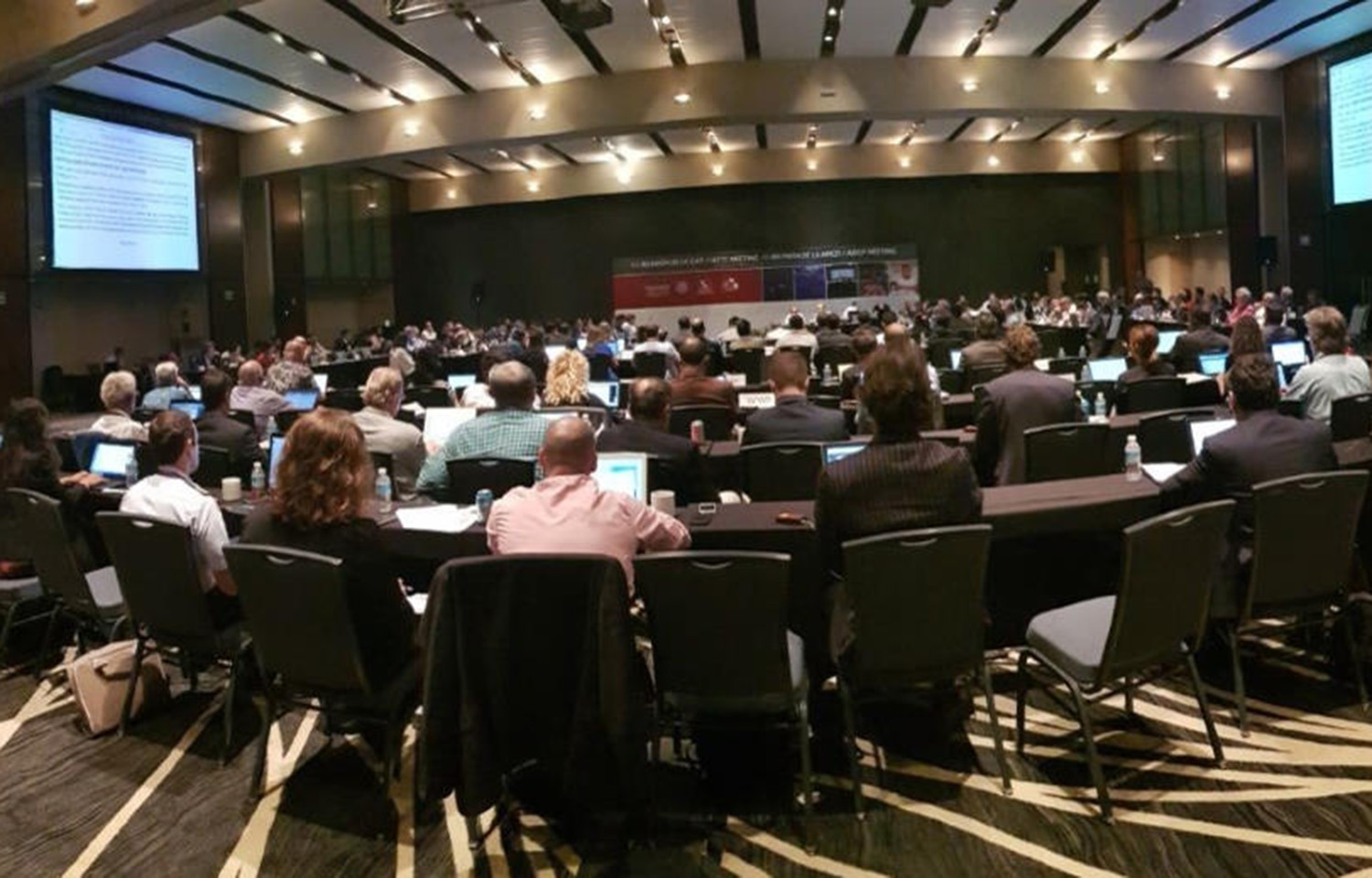
The IATTC is meeting from 1 to 5 September in Panama City, Panama, and has a range of proposals on the table – including ones for tuna conservation, silky shark conservation, and reference points for swordfish. One key proposal would see the commission adopt a harvest strategy – or management procedure – for skipjack, yellowfin, and bigeye tuna.
Multiple regional fishery management organizations (RFMOs) have adopted harvest strategies, which are methods of pre-determining actions if a given species reaches certain population levels.
The International Seafood Sustainability Foundation is urging the IATTC to follow suit by embedding harvest strategies in its tuna management, which it said can help alleviate potential political pressure when the RFMO has to make a management decision.
The Pew Charitable Trusts Senior Officer Dave Gershman told SeafoodSource it’s especially good to have a harvest strategy in place while a fishery stock is in good shape. He said they serve as a pre-agreement on what is going to happen in a given situation before it arises, allowing an RFMO to react quickly to changes in the stock.
“You agree on what your objective for the fishery is, you agree on how you’re going to achieve it or maintain that, and then you agree on how to keep fishing opportunities aligned with your objectives,” Gershman said. “The key thing here is that with that sort of pre-agreement, everyone has the same expectation and the same understanding, and you can take action before there’s a crisis.”
Making decisions while a tuna stock is experiencing a crisis isn’t always easy, as evidenced by the Indian Ocean Tuna Commission’s continued failure to tackle overfishing of yellowfin tuna. The stock was considered overfished for multiple years and only gained a “green” rating after the IOTC Scientific Committee used a series of revisions to the model determining the stock’s health.
“When there’s a crisis, it’s hard to negotiate your way out of it; that takes time. When there’s a crisis, you don’t have time to react,” Gershman said. “It’s harder to make decisions when you’re in a period of crisis, so let’s make that agreement now.”
Currently, the IATTC doesn’t have a single harvest strategy for any of the tropical tunas it oversees, and both the ISSF and The Pew Charitable Trusts are pushing for the upcoming meeting to change that.
“A robust harvest strategy not only provides stability for fishing nations and industry but also ensures that conservation measures – such as seasonal closures or catch limits – are part of a long-term plan guided by science, rather than a year-by-year negotiation,” ISSF said.
Gershman said something Pew is especially interested in is making progress on a harvest strategy for Pacific bluefin. Pacific bluefin was at one point thought to be on the brink of collapse, bottoming out in a period between 2009 and 2012.
The stock, because of its highly migratory nature, is jointly managed by both the IATTC and the Western and Central Pacific Fisheries Commission (WCPFC). Those two RFMOs worked together to establish a rebuilding plan, and since then, the stock has rebounded to the point that the Monterey Bay Aquarium Seafood Watch Program lifted its rating to yellow for the first time in 25 years in 2024.
Gershman said that as the stock continues its recovery, it’s a perfect time to establish a harvest strategy to lock in the species’ success story. However, there’s currently no harvest strategy for Pacific bluefin tuna on the agenda of IATTC’s next meeting.
A joint working group of the IATTC and WCPFC met in July to discuss including a potential strategy on the agenda, but governments in the Eastern Pacific failed to endorse one for Pacific bluefin. Gershman said there were 16 different harvest control rules proposed to the working group, and the members couldn’t come to a consensus on which one to pick – though they managed to eliminate the two proposals with the highest level of fishing and the two with the lowest.
“It was really disappointing that more progress wasn’t made,” Gershman said. “This was the year it was agreed to adopt this. The way it was left was that members would have bilateral conversations among themselves in Panama and at WCPFC and look to do more work next year.”
Gershman said there is still time to put forward a proposal and that member countries should work together to ensure more progress can be made in 2026.
“The rebuilding plan, according to the analysis, has done its job. Now, it’s time to look toward the long term,” Gershman said. “To us, it’s not enough just to have conversations.”
