

Shortly after opening its expanded hatchery facility in Scotland, Faroe Islands-based salmon-farming firm Bakkafrost has announced it is also making progress on similar projects closer to the firm’s headquarters.
In May, Bakkafrost opened its modernized Applecross land-based hatchery and smolt facility in the Scottish Highlands, aiming to allow salmon to remain in controlled freshwater conditions for longer before transfer to sea as larger smolt. The move aligns with its “one summer at sea” strategy that comprises a central pillar of its desire to de-risk its Scottish operations, which have suffered from biological challenges in the past.
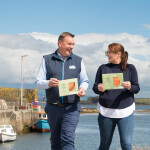
“It reflects our determination to become the most sustainable Scottish salmon producer,” Bakkafrost Scotland Managing Director Ian Laister said of the updated facility. “The ‘one summer at sea’ model has the potential to be a real gamechanger for the sector, improving survival, reducing biological challenges, and making better use of natural resources.”
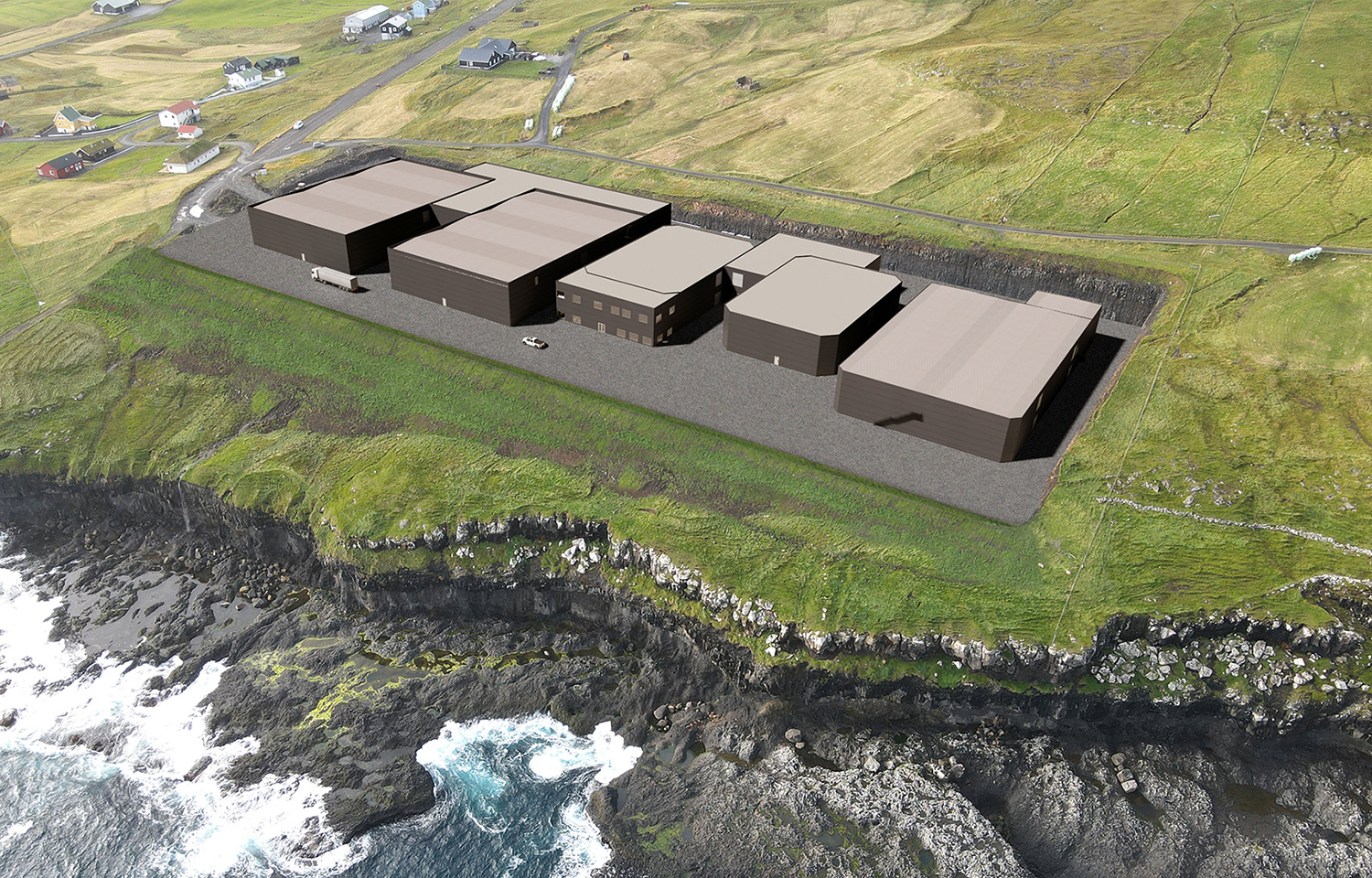
Following the Applecross expansion, as well as a solid opening quarter of the year, CEO Regin Jacobsen told SeafoodSource that the first phase of its new hatchery in Skálavík, which is located on the east coast of the Faroese island Sandoy, is complete and the company expects to start egg production at the new facility some time in the current quarter.
As roe production begins, the rest of the construction on the facility will take place over the next 15 months in conjunction with the first batch of smolts growing larger and nearing their sea-based grow-out phase.
Jacobsen explained that the new hatchery, which will increase the firm’s production capacity in the Faroe Islands to 24.4 million smolts from the current 18 million, is part of Bakkafrost’s DKK 5 billion (USD 777.4 million, EUR 669.1 million) investment program for 2026-2030.
In addition to construction in Skálavík, he said Bakkafrost also received long-awaited approval from local conservation authorities in Ónavík, which is located on the southernmost island of the Faroe Islands, for another hatchery. Though it has received regional approval, it still needs the go-ahead from national conservation authorities, which Bakkafrost has been working on securing for more than a decade.
Jacobsen said that the firm is not rushing to build the latter hatchery and has included it as part of longer-term plans.
“As the project in Skálavík is nearing completion, we might start looking at [Ónavík],” he said, adding that if Bakkafrost starts construction next year, it would be operational around 2030. Therefore, conservatively, the firm has included it as part of a strategy for around 2035.
In tandem with the company growing its smolt production, Jacobsen said it will look to naturally increase production at sea.
He said he expects Bakkafrost will increasingly let some batches of smolt grow another 100 to 200 grams past traditional weights to decrease the time they need at sea. He also said the company has identified areas within its current Faroese farming licenses where it can look to expand farming capabilities. For instance, Jacobsen said in some fjords, where farming was out of the question because of harsh environmental conditions 10 years ago, technology has improved sufficiently that it may be able to pursue such opportunities.
“We have spent a lot on investment for organic growth, or growth that is not from buying other operations,” he said.
With the new investments, as well as more efficient use of its licenses, the company aims to grow its production from a projected 117,000 metric tons (MT) in 2026 to 162,000 MT in 2030, which would mark an increase of 38 percent.
Jacobsen emphasized that improved smolt production has been a key component of these growth projections and that the firm’s progress in that department has come from years of trial and error.
"Even though there has been farming in the Faroe Islands for 50 years now, we have learned a lot in the last 10 to 15 years in producing robust smolts," he said, explaining that the process has involved constantly adjusting different parameters to ensure optimal outcomes. “When we put fish in the sea today, we know that it’s going to go well because we know exactly what’s needed.”
