



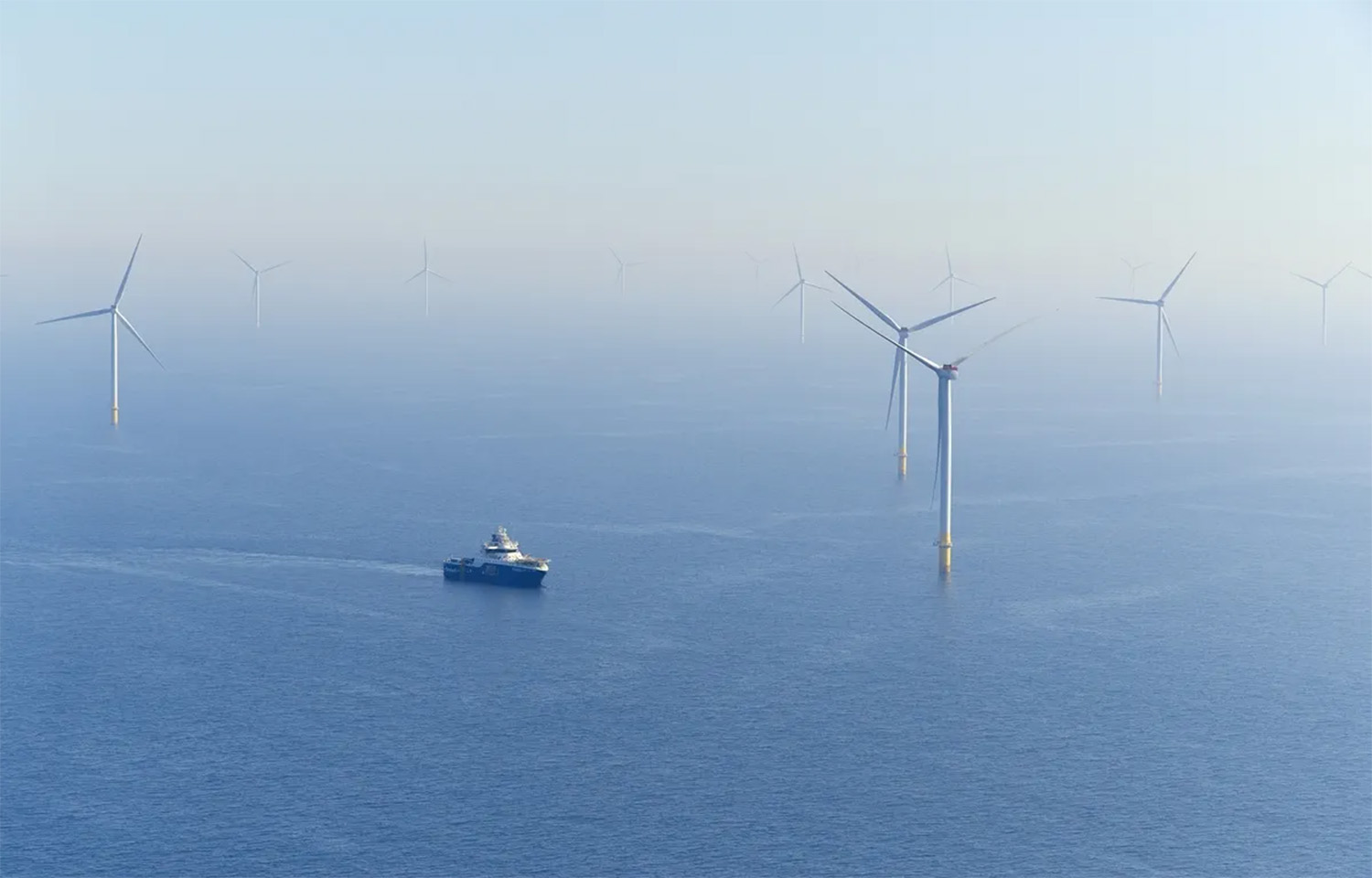
A U.S. judge has lifted a stop-work order on Ørsted’s Revolution Wind project, a large offshore wind installation off the nation's East Coast.
The Revolution Wind project, which is being built off the coast of the U.S. state of Rhode Island, was halted in August after the Bureau of Energy Ocean Management (BOEM) issued a stop-work order, just weeks after it also canceled all offshore Wind Energy Area designations. BOEM issued a director’s order to halt “all ongoing activities” related to the project, which Ørsted said was 80 percent to completion.
Now, U.S. District Court Judge Royce Lamberth has lifted that stop-work order via a preliminary injunction in response to a lawsuit launched by the company in early September. Reuters reported the company has been losing as much as USD 2 million (EUR 1.7 million) a day since the project was halted in August.
“Revolution Wind has demonstrated likelihood of success on the merits of its underlying claims. It is likely to suffer irreparable harm in the absence of an injunction. The balance of equities is in its favor, and maintaining the status quo by granting the injunction is in the public interest,” Lamberth wrote in the order.
The order was welcomed by government officials in Connecticut and Rhode Island, who have also entered a lawsuit over the BOEM stop-work order.
“Today’s ruling allowing Revolution Wind to resume work is extremely encouraging for workers and our energy future. We will continue to engage with the federal government on a durable path forward for this project and on shared energy priorities,” Connecticut Governor Ted Lamont said.
The stop-work order said BOEM was seeking to address concerns “related to the protection of national security interests of the United States,” along with work to prevent interference of other uses of the U.S.'s exclusive economic zone.
One of those other uses is fishing, and fishermen have long opposed offshore wind projects in the U.S.
New England Fishermen’s Stewardship Association COO Dustin Delano said the decision to lift the halt on Revolution Wind will damage fishing interests in the region.
“If we value food security, working waterfronts, and resilient coastal towns, we must reject the wholesale industrialization of our ocean,” Delano said. “Pausing new offshore wind construction until independent, long-term impact studies are complete, protecting core fishing grounds, and holding developers accountable to the same standards as fishermen are all essential steps.”
Fishermen and groups representing them have opposed offshore wind projects for years. The Responsible Offshore Development Alliance (RODA), a lobbying group which represents commercial fishermen, filed a lawsuit against the Vineyard Wind project off the coast of the U.S. in 2022 and has since appealed its case to the Supreme Court of the United States.
RODA said the impacts of wind energy on fishing have been unclear and that Vineyard Wind 1 – the first commercial-scale offshore wind project approved – could set precedent for future projects of its type.
Fishermen have also rallied to oppose other offshore wind projects, citing the loss of vital fishing grounds to wind turbine installations offshore. The Fulton Fish Market Cooperative held a rally in July against the Empire Wind project, pushing for more research on the impacts of offshore wind.
In its complaint against BOEM’s actions halting Revolution Wind, Ørsted said the project has already undertaken extensive reviews of every conceivable aspect of the project’s construction.
“This review, spanning three presidential administrations, culminated nearly two years ago in a consensus decision of 15 federal and state agencies that the project is both safe and consistent with federal and state law,” the complaint states.
The lawsuit states the company has already been defending Revolution Wind’s permits and approvals in ongoing litigation and that BOEM’s push to stop the work was against the permits it already granted.
“In reliance on these permits and approvals (that Defendants have been defending in court) and continued coordination with relevant federal agencies, offshore construction of this multi-billion dollar project has been underway since January 2024 and is now close to completion,” the complaint states.
Ørsted has already had to pull out of other offshore wind projects in the U.S. In 2023, the company withdrew its efforts to build its Ocean Wind 1 and Ocean Wind 2 projects off the coast of New Jersey, citing inflationary pressures and financial difficulties.
