


A group of NGOs have filed a motion arguing a settlement between the U.S. government and the National Fisheries Institute (NFI) over Marine Mammal Protection Act (MMPA) requirements violates the agreement they reached with the U.S. government earlier in the year.
The Natural Resources Defense Council (NRDC), the Center for Biological Diversity (CBD), and the Animal Welfare Institute filed a “Motion to Enforce Settlement Agreement” arguing the agreement struck between NFI and the U.S. government violated their earlier agreement made on 15 January 2025. That agreement was related to a lawsuit against the National Marine Fisheries Service (NMFS) brought by the NGOs to try and force U.S. regulators to begin banning imports from fisheries where too many species falling under the MMPA are killed as bycatch.
NFI’s settlement with NMFS stemmed from a separate lawsuit in early October, which targeted its decision to enforce MMPA regulations starting 1 January 2026. NMFS announced in September 2025 that 240 foreign fisheries do not comply with marine mammal regulations in the U.S. and, therefore, should not be allowed to ship seafood into the country.
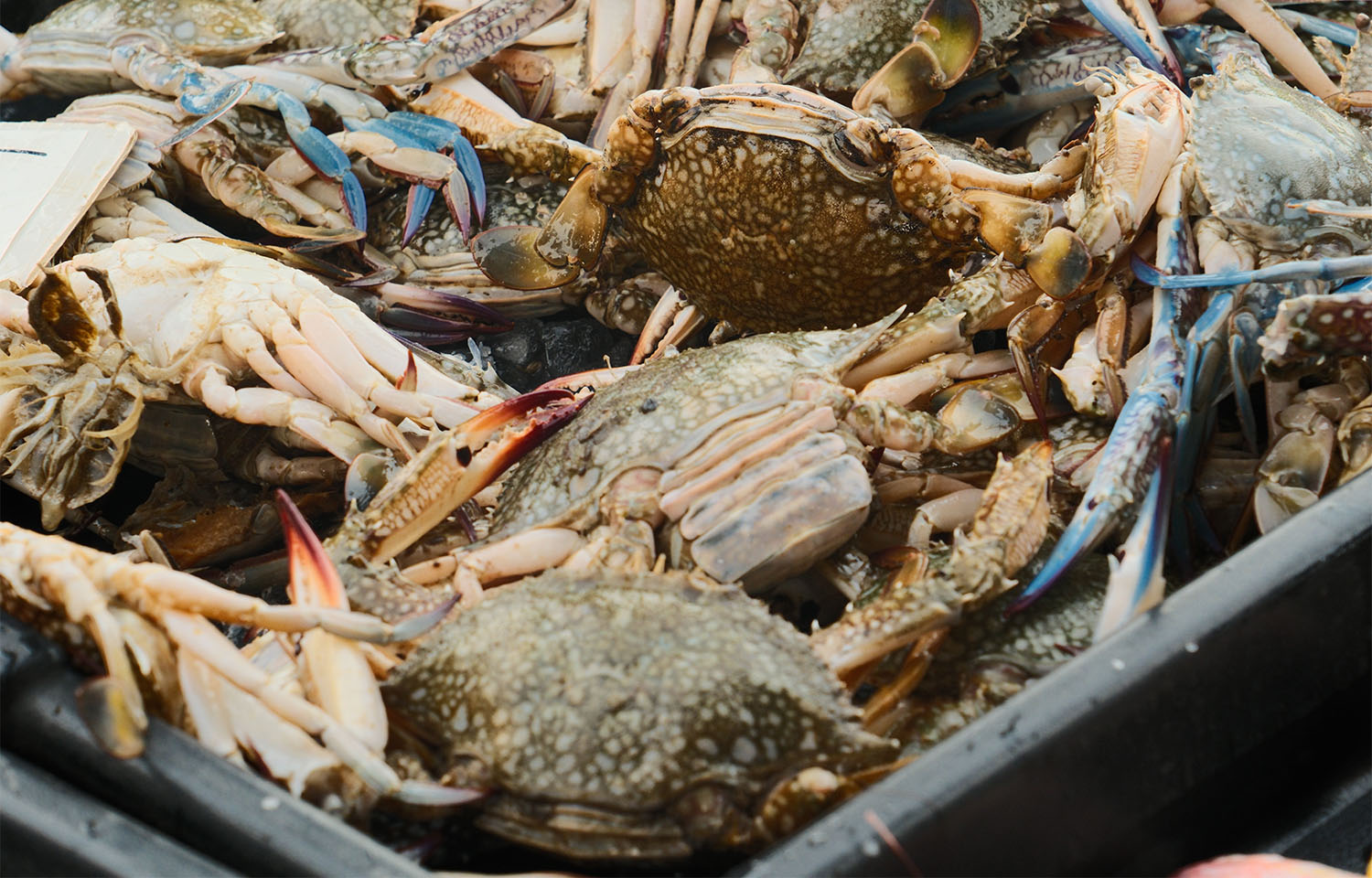
That finding would have included widespread bans on swimming crab species from multiple major exporters of crab to the U.S. NFI Chief Strategy Officer Gavin Gibbons told SeafoodSource as the issue was ongoing that the ban would have had sweeping and devastating impacts on the U.S. supply of crab, with as much as 89 percent of pasteurized blue swimming crab imports being halted.
NOAA ultimately settled the lawsuit, preventing a widespread ban on major pasteurized crab exporting countries and guaranteeing the agency would take a second look at its findings on the MMPA – this time while including stakeholder input.
The NGOs, though, said the settlement violates their own earlier settlement on the MMPA.
“The United States government continues to avoid complying with its legal obligation to ban the importation of fish and fish products that do not meet the standards of the MMPA,” the NGOs’ filing states. “For more than 50 years, Defendants have failed to comply with this duty, and marine mammals continue to be killed through bycatch in foreign fisheries that export to the United States, even though these foreign fisheries did not demonstrate they met the necessary standards.”
The filing argues the government continues to seek ways to further delay the implementation of the import rules under the MMPA and the settlement with NFI violates the January 2025 settlement, which set deadlines for it to commit to enforcing and implementing the final import rules of the MMPA.
NFI has filed to intervene in the appeal and to join the U.S. government as defendants against the action by the NGOs.
“Plaintiffs’ collateral attack on the NFI Agreement would directly harm Applicant-Intervenor-Defendants’ interests by leading to the exact harm that the parties to the NFI Agreement sought to avoid,” the filing states.
In an op-ed written by NFI and published in the Raleigh News & Observer, Gibbons criticized the latest lawsuit by the NGOs.
“Having pressured NOAA, after more than a decade of delays, into applying the protective policy, they now object to a different court settlement that allows a small handful of crab fisheries in four countries an additional 180 days to come into compliance with the rule,” he wrote.
NFI alleged the latest court action is about raising funds, not protecting fisheries.
“The narrative likely offered to institution donors like Foundation For The Carolinas, and consumers alike, is one that they are fighting for Flipper at every turn – never mind that the fisheries they currently target do not have long, dangerous, or documented histories of imperiling marine mammals,” Gibbons wrote. “One of the most vilified fisheries has not even seen a marine mammal in four years – not entangled or killed but seen.”
