



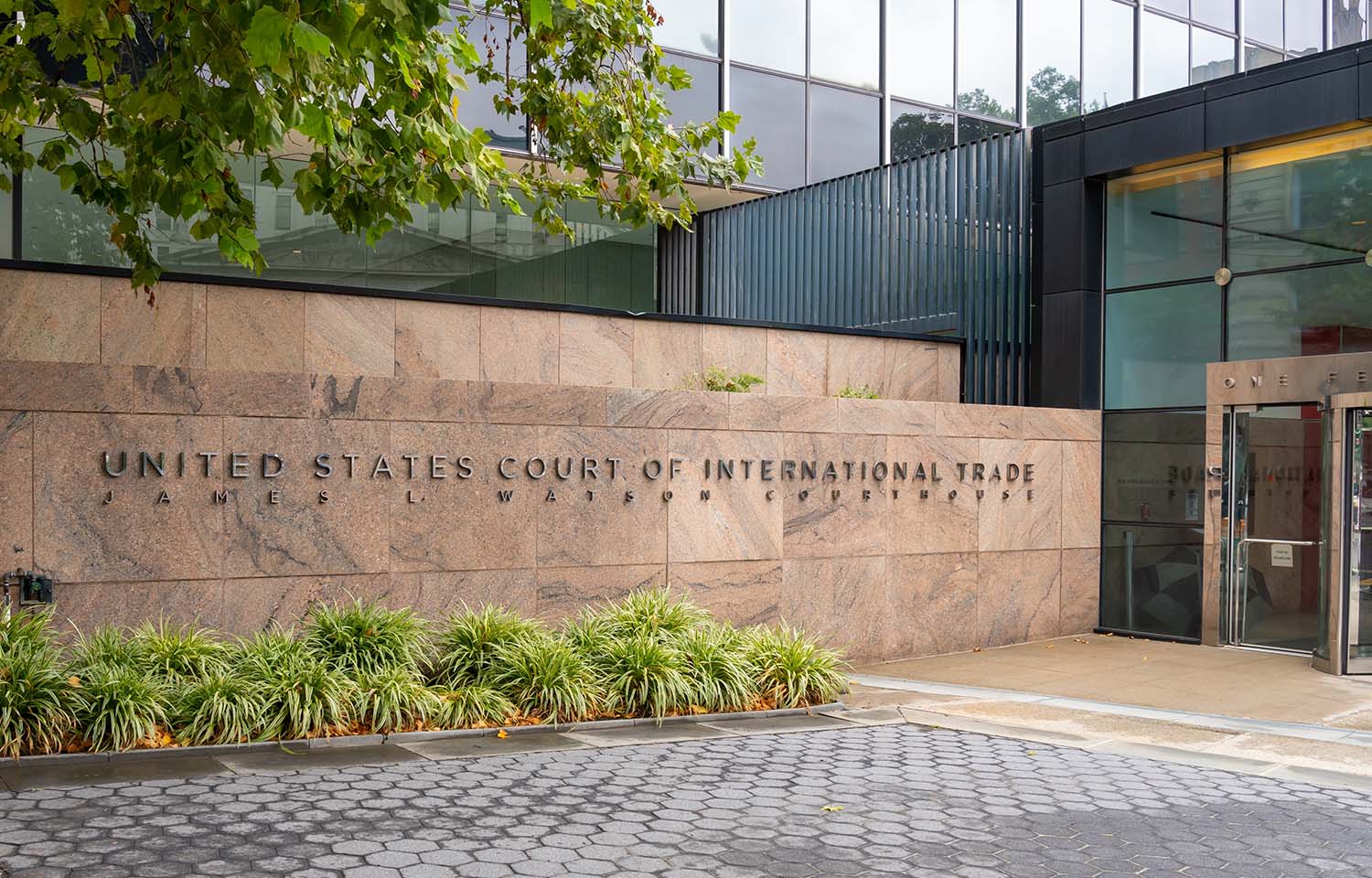
The group of seafood companies and industry groups that sued NOAA over its determinations on Marine Mammal Protection Act (MMPA) requirements has also filed over the same issue with the Court of International Trade.
The group – which includes the National Fisheries Institute (NFI), several seafood companies, and the Restaurant Law Center – is asking the court for a preliminary injunction halting any import prohibitions resulting from NOAA’s MMPA decisions. NOAA found 240 foreign fisheries do not have equivalent regulations to U.S. fisheries regarding marine mammal protections, necessitating a ban on all seafood imports.
NFI said in a release that members of the coalition are concerned about “unintended consequences” of NOAA’s findings, the impacts they could have on the U.S. seafood industry, and the jobs the trade provides. According to NFI, certain U.S. industries would be disproportionately impacted by the ruling, particularly the pasteurized crab industry, which would see 89 percent of imports banned on 1 January 2026.
NFI Chief Strategy Officer Gavin Gibbons said a big part of the coalition’s argument is NOAA’s findings under the MMPA don’t necessarily indicate any harm to marine mammals.
“In so many cases with the implementation of this Act, we’re not talking about ‘violations’ that put marine mammals at risk, we’re talking about box-checking and regulatory equivalence rather than outcomes,” he said. “Meanwhile, in the case of Blue Swimming Crab, there’s no domestic substitute that can feasibly replace the product. So, the consequence of failing to have a bureaucratic comparison is taking crab cakes off menus and putting Americans out of work. Is that what MMPA was designed to do?”
The recent legal filing also said the determinations under the National Marine Fisheries Service exceed its statutory authority and “violate its own regulations.”
“The plaintiffs will suffer immediate and irreparable harm – including existential threats to their businesses, which have no alternative sources of certain seafood if the foreign fisheries are closed,” an NFI release states.
The Restaurant Law Center said it is engaging in the lawsuits for similar reasons and that the fisheries being banned supply the “vast majority” of certain seafood products that U.S. restaurants rely on.
“This is not about opposing the Marine Mammal Protection Act – we support its goals,” Restaurant Law Center Executive Director Angelo Amador said in a release. “But, NOAA’s rushed and opaque implementation is poised to devastate seafood supply chains that restaurants across the country rely on. Without access to these products, many restaurants will be forced to remove popular seafood items from their menus, raise prices, or worse – close their doors.”
Not all members of the seafood industry are opposed to the MMPA findings. Trebloc Seafood Owner Joe Colbert told SeafoodSource his business catching Jonah crab has been forced to compete with imports – and the ruling levels the playing field.
“Imported seafood like crab should be held at the same standard as someone like me,” Colbert said. “We need to prioritize U.S. products before other countries.”
