



The National Fisheries Institute and several seafood companies have settled their lawsuit against the National Marine Fisheries Service (NMFS) over its recent determinations on Marine Mammal Protection Act (MMPA) requirements.
NFI sued NMFS in early October over the agency’s decision to find most blue crab fisheries in major countries did not meet MMPA equivalency standards, a requirement for any country looking to export seafood products to the U.S. NMFS found 240 foreign fisheries did not comply with the regulations, which meant as of 1 January, 2026 products from those fisheries would be banned from entering the U.S. market.
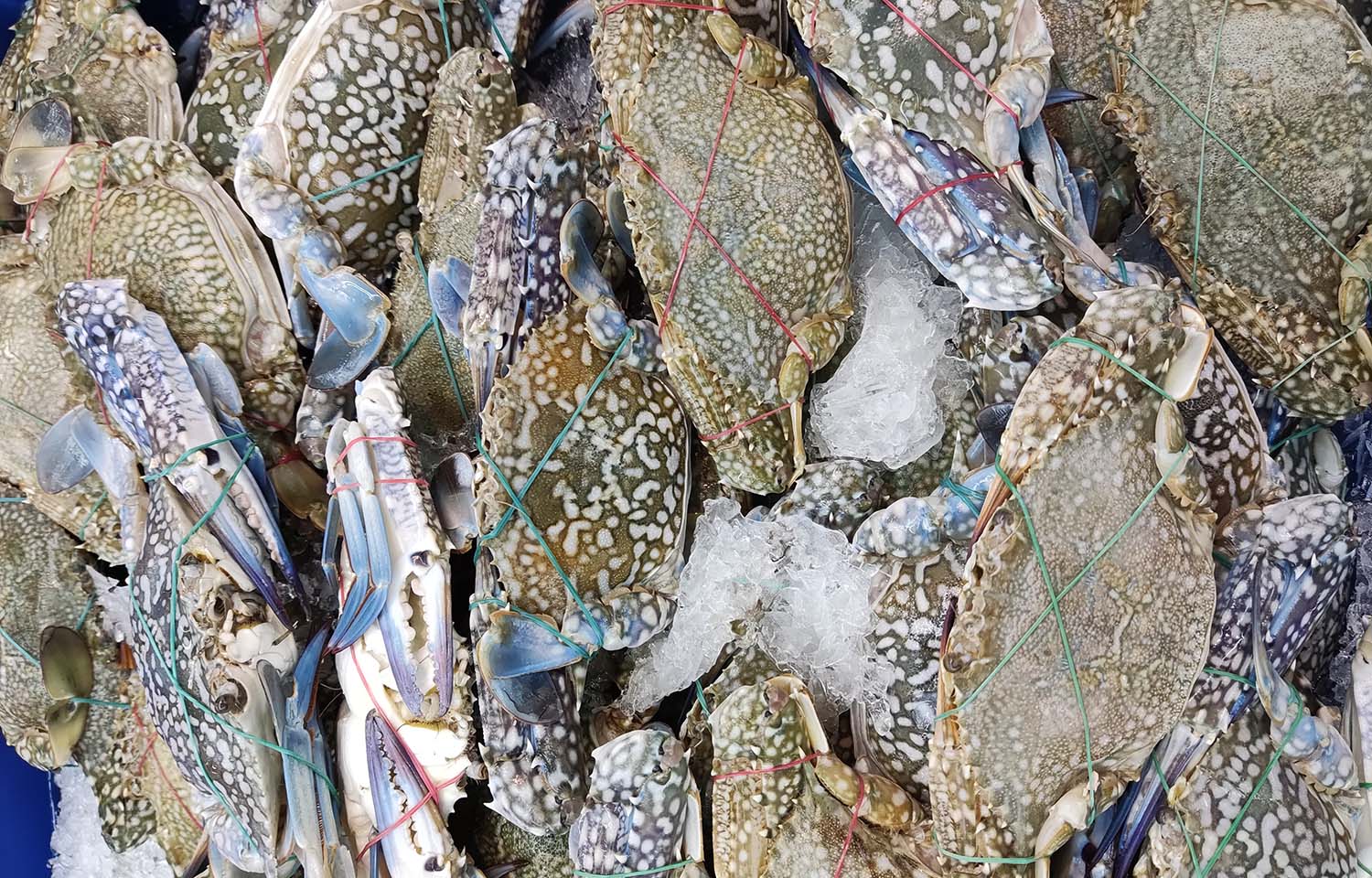
The blue swimming crab fisheries in Indonesia, Vietnam, the Philippines, Venezuela, and Sri Lanka were a part of those 240 fisheries, and NFI estimated that 89 percent of the 62 million pounds of pasteurized blue swimming crab the U.S. imports on average each year would have been cut off from the market.
“It’s devastating, and these are facts; this isn’t arguing opinions,” NFI Chief Strategy Officer Gavin Gibbons told SeafoodSource when the lawsuit was filed. “It would be totally, physically impossible to harvest that much crab from U.S. waters in order to make up the difference.”
Now, in documents recently filed in the U.S. Court of International Trade, NFI and NMFS have agreed to dismiss the lawsuit in exchange for the NMFS agreeing to take a second look at its findings.
“We are, on behalf of all the plaintiffs, pleased with the outcome and commend the Department of Justice for working during a difficult period to bring this to a successful resolution and avoid irreparable harm to some of the most storied American seafood companies,” Gibbons told SeafoodSource. “The parties made the decision to settle the case in order to ensure the responsible implementation of the Marine Mamal Protection Act, which was our goal all along.”
According to court documents, NMFS will undertake a reconsideration of the comparability findings for the swimming crab fisheries of Vietnam, the Philippines, Indonesia, and Sri Lanka, and a stay on the import ban will be in place as NMFS reexamines its findings. The agency will then consult with the nations referenced within 60 days, permitting them to provide further information while offering guidelines directly to those nations.
Perhaps more key is the settlement stipulating other interested parties will be able to provide information to NMFS within the next 60 days. Gibbons and NFI had criticized NMFS for its complete lack of stakeholder input from any party during the decade-long review of the MMPA.
“NMFS will consider information provided by Plaintiffs or other interested parties in determining whether to issue a comparability finding,” the settlement states.
Gibbons said NFI plans to participate in the process now that it is opened up to stakeholders.
Supreme Crab & Seafood CEO Troy Turkin, who would have been impacted by the import ban, told SeafoodSource that he was happy with the settlement – especially since it is a reexamination rather than a repeal of the findings in the MMPA.
“It was never intention to get the thing repealed, we certainly support protecting the marine mammal population,” he said. “I’m happy that the outcome was, for lack of a better word, victorious.”
Turkin said that he’s already communicated with his company’s operations, and that things have moved back to business as usual for the time being now that the ban will no longer take effect on 1 January.
“That process has started to happen,” he said.
While crab importers were pleased with the outcome, other seafood organizations representing U.S. fisheries were critical of the decision. Several seafood organizations, including the Southern Shrimp Alliance, Alaska Longline Fishermen’s Association, Alaska Marine Conservation Council, New England Young Fishermen’s Alliance, and more filed an amicus brief supporting the MMPA import pro visions and against NFI’s lawsuit.
The organizations said the settlement means NMFS is choosing imports over domestic seafood, and is defying the goals outline in U.S. President Donald Trump’s recent executive order “Restoring American Seafood Competitiveness.”
“We’ve had enough of the delays, enough of the one rule for our foreign competition and different, more exacting standards for American fishermen. Failed federal policy is driving the U.S. commercial fishing industry out of business,” Southern Shrimp Alliance Deputy Director Blake Price said in a release. “What we have all learned today is that as a unified voice, America’s commercial fishermen must collectively fight back against unfair import trade to ensure the long-term survival of our industries.”
SSA said as the imports of foreign crab increased over the last two decades, the domestic industry has seen continued declines. Blue crab numbers in the Chesapeake Bay have remained low, and recent estimates put the total population at 238 million crabs in the bay, just above an all-time low set in 2022.
The U.S. state of Maryland and Virginia are performing a comprehensive stock assessment of the species, to be completed in 2026, to propose management recommendations for the species.
