


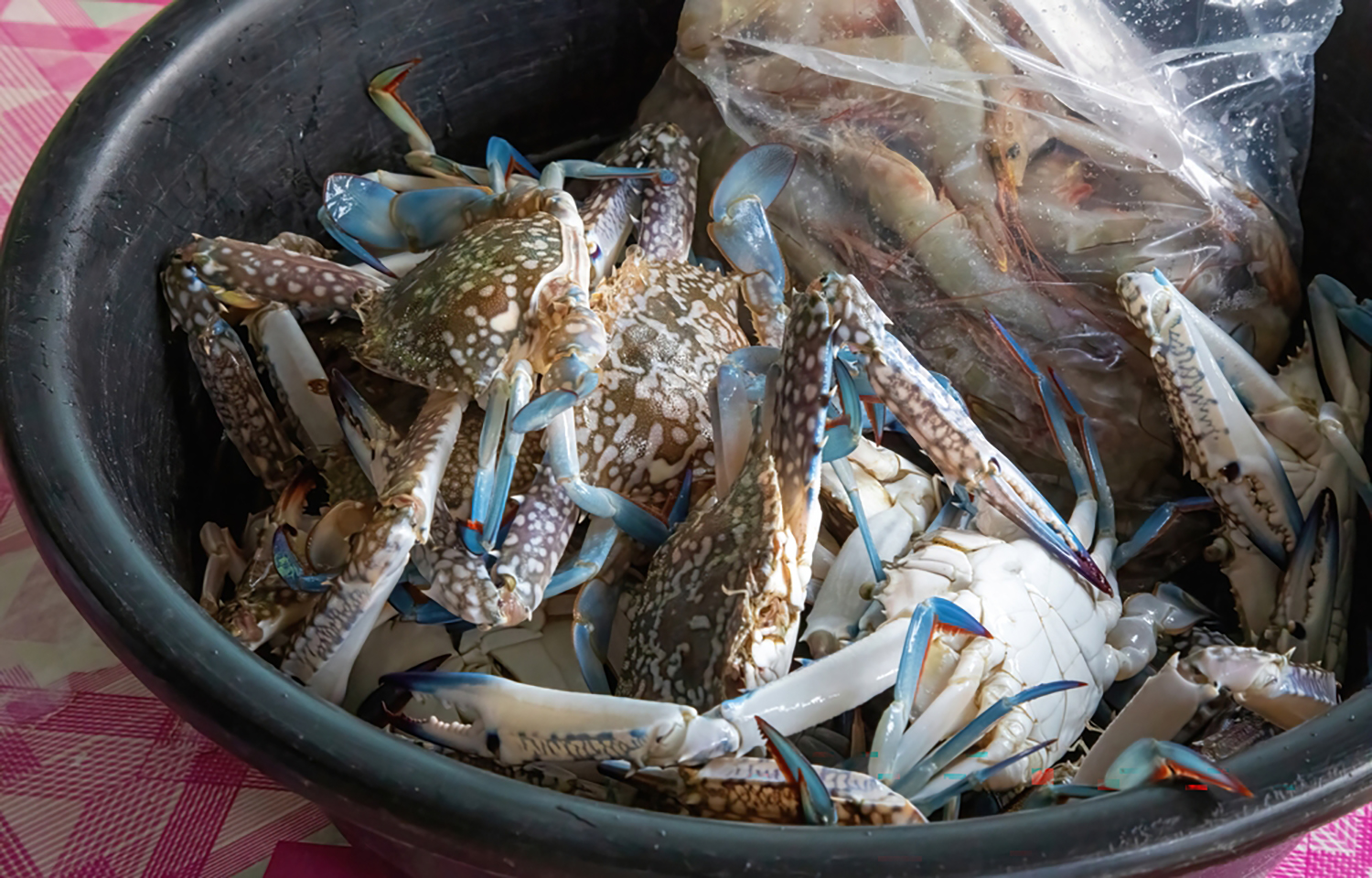
The Philippines is considering new gillnet rules for its blue swimming crab fishery as it seeks to meet U.S. marine mammal protection requirements and lift an import ban the lucrative market placed on the Southeast Asian country in May.
After a lawsuit led the U.S. National Marine Fisheries Service (NMFS) to review its Marine Mammal Protection Act (MMPA) comparability findings for swimming crab, NMFS announced last month it would still block imports from Philippine gillnet and pot/trap fisheries after determining that they did not meet MMPA import requirements.
In the same announcement, the agency allowed shipments from Vietnam, Indonesia, and Sri Lanka to continue, reversing determinations made last year that similar shipments from those three countries would also be banned.
According to the Manila Bulletin, the Philippines Bureau of Fisheries and Aquatic Resources (BFAR) said the U.S. findings point to the need for updates to the fisheries that are grounded in science and can reduce risks to marine mammals without undermining the blue swimming crab industry.
As part of its response, BFAR plans to organize a nationwide stakeholder consultation on 3 July to review proposed rules. The measures include possible limits on the length and the depth of crab gillnet gear, which is set vertically in the water to catch blue swimming crab, to meet U.S. requirements.
As government officials determine how to lift the ban, which took effect 11 June, the issue has raised concerns among exporters in the Philippines as the U.S. is by far the main buyer of blue swimming crab. The Confederation of Philippine Exporters Cebu Foundation, or Philexport Cebu, said the U.S. accounts for about 90 percent of the country’s exports of the product. NOAA import data showed that the U.S. imported 2,417 metric tons (MT) of blue swimming crab from the Philippines in 2025.
Philexport Cebu estimated that a prolonged ban could cost the Philippines USD 50 million to USD 60 million (EUR 43.7 million to EUR 53.4 million) in annual export revenue.
Therefore, the group urged BFAR to act promptly on NOAA’s findings, noting that rival supplier countries had already obtained favorable comparability findings after making corrective changes.
“Competing supplier countries have already secured favorable comparability findings following successful corrective actions. The Philippines must move decisively to avoid prolonged exclusion from a critical export market,” Philexport Cebu said, per the Manila Bulletin.
The export group specifically called for a national program to monitor marine mammal bycatch in blue swimming crab fisheries and urged BFAR to make reporting compulsory for any cases involving marine mammal deaths, injuries, or encounters during commercial fishing activity.
Philexport Cebu said meeting the U.S. requirements would help strengthen confidence in Philippine seafood exports and support the sector’s long-term viability.
