



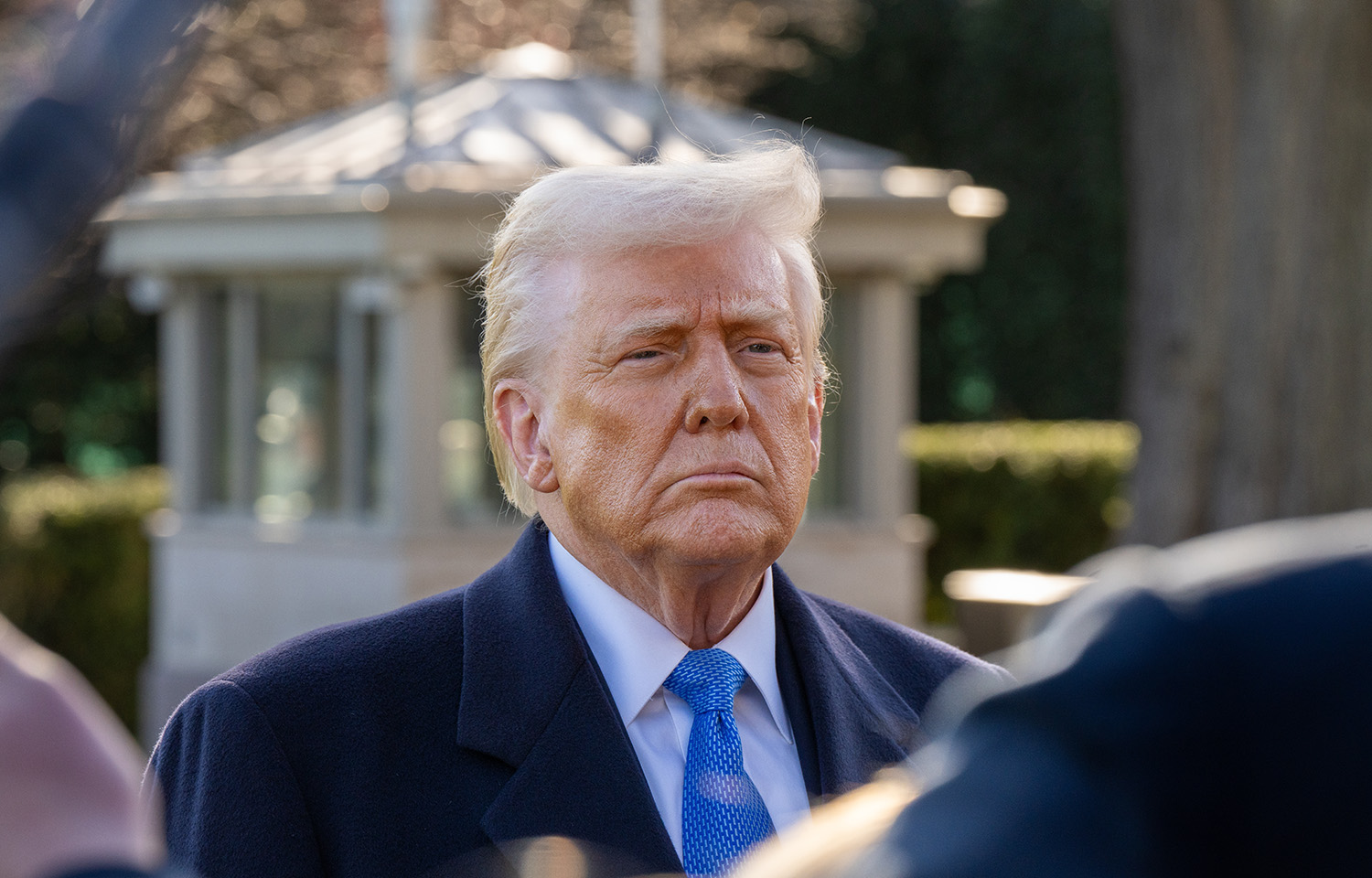
U.S. President Donald Trump has threatened Canada – the U.S.’s largest seafood trading partner – with 35 percent tariffs, but an official later confirmed the higher rate may not apply to most seafood.
In a letter sent to Canada Prime Minister Mark Carney, Trump once again claimed the “Nation’s Fentanyl crisis” is motivation for the tariffs and blamed Canada’s “failure to stop the drugs from pouring into our Country” for the new threats.
“Instead of working with the United States, Canada retaliated with its own Tariffs,” Trump wrote.
Trump went on to add that fentanyl was just one reason and that trade barriers such as Canada’s existing tariff on U.S. dairy was another.
“The Trade Deficit is a major threat to our Economy, and indeed, our National Security!” Trump’s official letter states. “These Tariffs may be modified, upward or downward, depending on our relationship with your country. You will never be disappointed with The United States of America.”
Goods that comply with the United States-Mexico-Canada Agreement (USMCA) will continue to not be included in tariffed goods, a Trump administration official told CBC News. The additional 35 percent tariff will only apply to goods currently being tariffed at 25 percent – which are goods that do not comply with USMCA.
Goods complying with USMCA include those that are wholly obtained or produced within one of the three countries. Currently, roughly 98 percent of tariff lines and over 99.9 percent of bilateral trade between Canada and the U.S. can claim preference under USMCA and meet the rules, according to the Canadian government. The benefit is not automatic, and the importer must claim the benefit on the basis of certification of origin of the product – meaning the burden is on the importing companies to qualify for USMCA preference and avoid the additional tariffs.
Trump’s latest tariff threat comes after a string of other threats throughout early July. On 6 July, Trump threatened all countries aligned with BRICS with higher tariffs and then threatened additional tariffs on South Korea and Japan. He later went on to release a series of letters threatening multiple countries with higher tariff rates. Those letters were themselves an extension of Trump’s “liberation day” tariff threats in April, which threatened a range of tariffs on dozens of countries.
The threats against Canada go back even further. Trump first signed an order implementing 25 percent tariffs on Canada and Mexico in February, after proposing the move soon after his election in November 2024.
Trump later paused those tariffs in February before implementing a new set of tariffs and the 25 percent tariffs on the two countries in March. Once again, just days later, Trump delayed those tariffs on a range of goods, including seafood – with those delays apparently continuing to apply to the recent 35 percent increase.
