
London-based seafood writer and communications consultant Jason Holland has been a contributing editor to SeafoodSource.com since January 2010. Jason has more than 25 years of experience as a B2B journalist and editor – a career that has taken him all over the world. He believes he found his true professional calling in 2004 when he started documenting the many facets of the international seafood industry and he’s particularly proud of the strong, collaborative relationships he has formed at all stages of the supply chain.
Author Archive
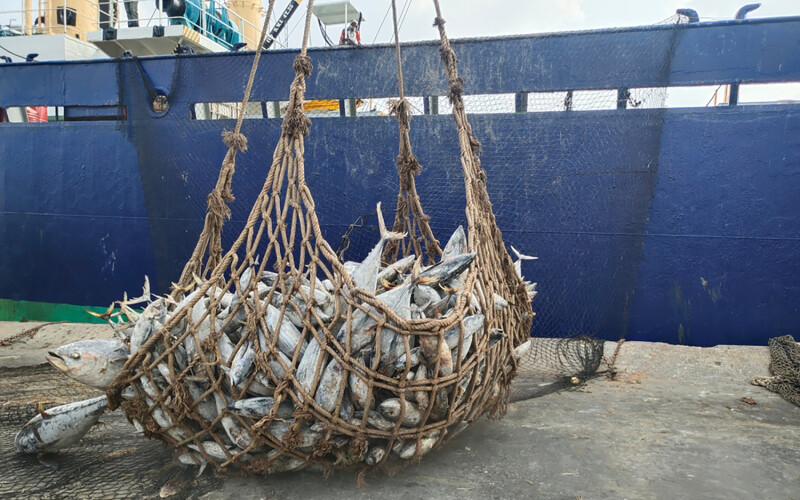
With a new round of negotiations on a free trade agreement (FTA) between the E.U. and Thailand slated for 29 September, Europe’s fishing industry is again warning of severe risks it would incur if tuna is included in the deal.
Thailand is the world’s leading producer and exporter of canned and preserved tuna – accounting for over 22 percent of global production and more than 29 percent of global exports. Between 2020 and 2023,
… Read More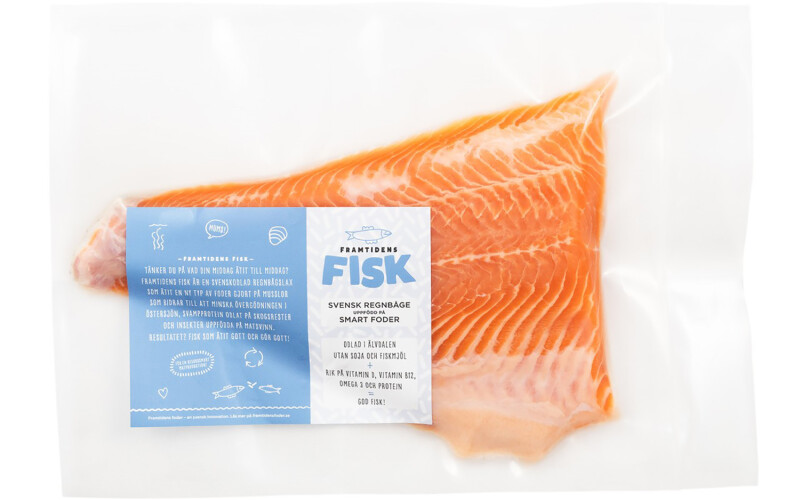
Swedish researchers and aquaculture stakeholders have worked together to launch the world’s first commercially available fish product raised on a feed made from mycoprotein, which are fermented proteins grown from fungi.
Farmed rainbow trout from aquaculture firm Älvdalslax raised on this new diet, which also includes mussels and insects, has arrived on the shelves of Hemköp and Urban Deli stores and is also being offered by
… Read More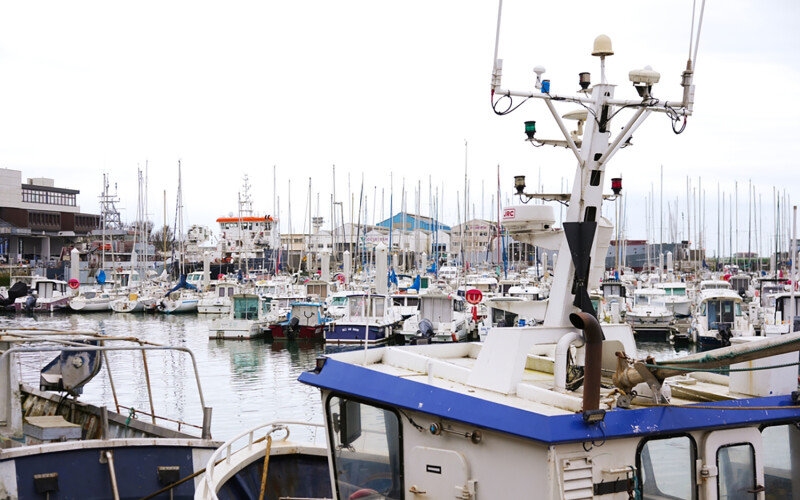
According to a recent YouGov poll, there is overwhelming public support in France for reforming the nation’s fisheries quota system, with 86 percent of French citizens calling for more fishing opportunities to go toward small-scale and low-impact fishers and 85 percent favoring fewer quotas being allocated to industrial-sized vessels.
NGO Oceana, which commissioned the poll, said the findings should put pressure on policymakers
… Read More
The Norwegian Seafood Council (NSC) has named Bjørn-Erik Stabell its new U.K. director, who is planning on using his two decades of seafood experience to further strengthen seafood ties between the two countries.
Stabell served most recently at the industry trade body – which is owned by the Norwegian government and financed by the Norwegian seafood industry through an export levy – as its head of strategy and sustainability,
… Read More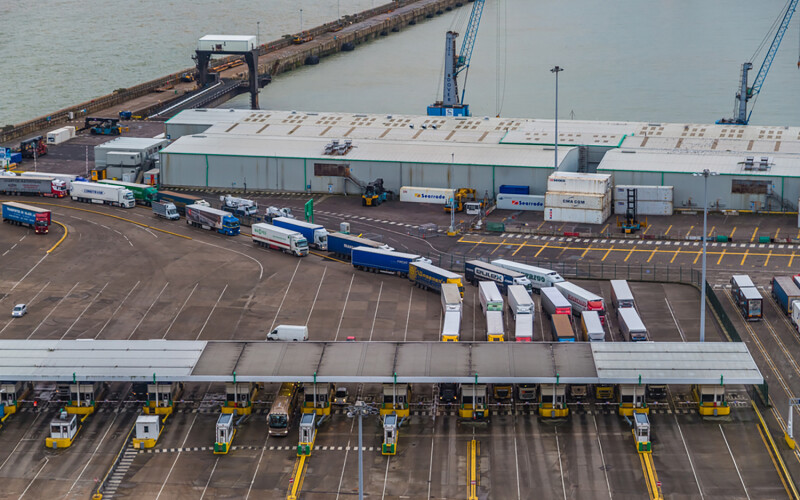
At increasingly alarming rates, U.K. seafood consumers may be unknowingly buying seafood linked to illegal, unreported, and unregulated (IUU) fishing and severe human rights abuses, according to a new report from the Environmental Justice Foundation (EJF) and Open Seas.
The NGOs’ report, titled “Criminal Catches: How to stop the supply of illegal seafood to the U.K.,” warns that the reason for this is that the U.K. has poorly
… Read More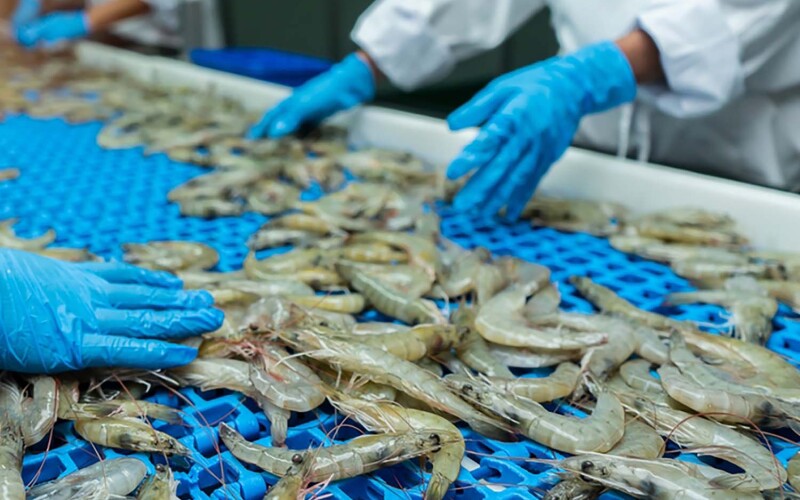
According to new research from Dutch banking and financial services firm Rabobank, escalating trade disputes and geopolitical tensions are battering the global seafood industry, and the long-established supply chains for shrimp, salmon, tilapia, pangasius, and groundfish are facing unprecedented disruption.
The Rabobank report, “Caught in the Current: Geopolitics Threaten the Global Seafood Industry,” advises that some seafood
… Read More
Reykjavik, Iceland-headquartered Iceland Seafood International (ISI) has reported strong results for the first half of 2025, including a doubling of its year-over-year normalized profit before tax (PBT) to EUR 2.3 million (USD 2.7 million).
CEO Ægir Páll Friðbertsson attributed the solid six-month performance to strong demand and record-high prices for cod.
In a statement accompanying ISI’s H1 2025 results, Friðbertsson
… Read More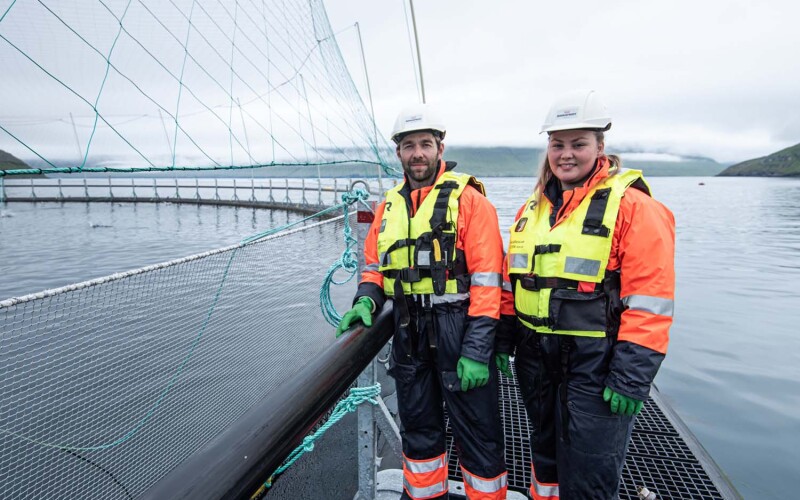
Faroe Islands-based salmon-farming firm Bakkafrost delivered “exceptionally strong” biological performance in its Faroese operations during the second quarter of this year, but low global salmon prices dragged on earnings and continued biological issues in Scotland forced the firm to put its U.K. operations under Faroese control moving forward.
Delivering the group’s Q2 2025 results, CEO Regin Jacobsen said he was dissatisfied
… Read More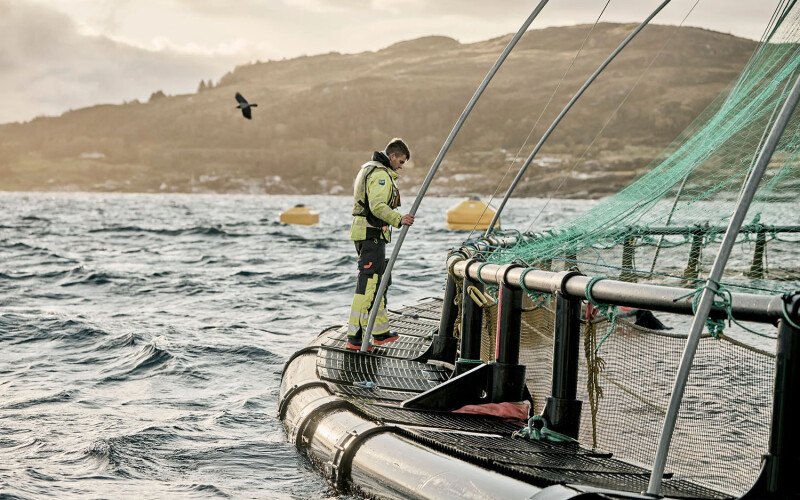
Bergen, Norway-headquartered salmon-farming firm Grieg Seafood underwent big changes in the second quarter of 2025, a period in which the firm made the decision to sell its operations in Canada and Finnmark, Norway, to the Cermaq Group for NOK 10.2 billion (USD 1 billion, EUR 862 million).
Though the deal was not announced until mid-July, Grieg said in its Q2 2025 financial report that the firm’s board made the decision to sell off those
… Read More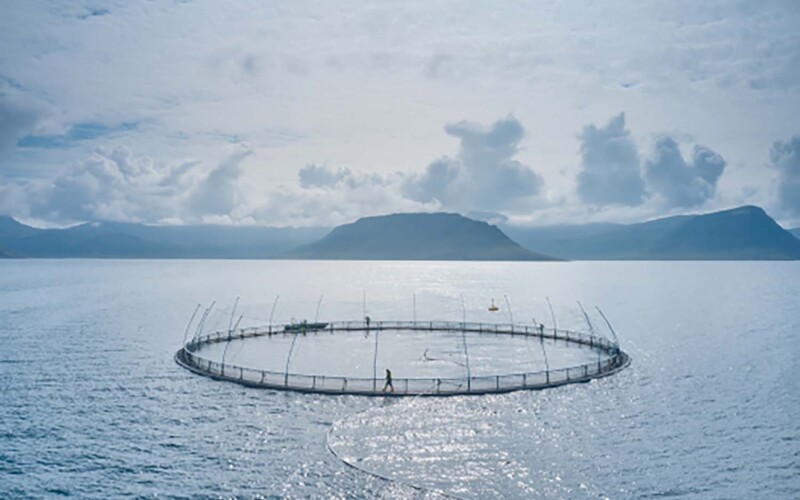
Bíldudalur, Iceland-headquartered Icelandic Salmon, which owns fish-farming firm Arnarlax, was forced to conduct an accelerated harvest in the second quarter of 2025 in response to an outbreak of bacterial kidney disease (BKD) at two farming sites.
This resulted in a Q2 harvest of 4,000 gutted weight tons (GWT), compared to 700 GWT in the same period a year prior. Because the need to harvest quickly came at the end of the three-month
… Read More