





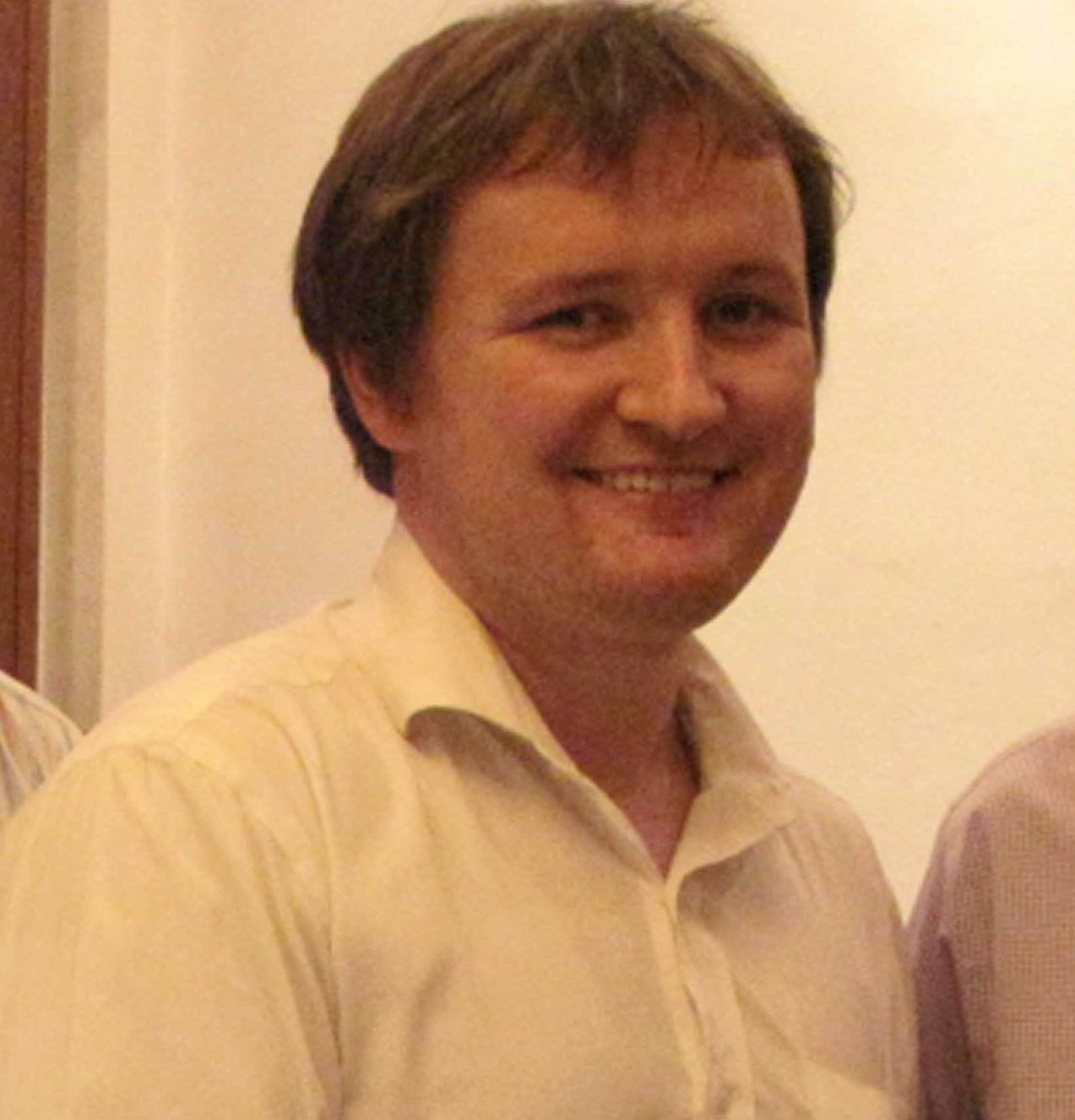

Joost Pompert, the owner of Falkland Islands-based Georgia Seafood, has claimed that longstanding territorial disputes between Argentina and the U.K. have allowed China’s squid-fishing fleet to overfish in the Southwest Atlantic Ocean.
China’s fleet has been accused of chronic overfishing, as well as committing human rights and marine wildlife abuses, in the Southwest Atlantic for years, and a recent Environmental Justice Foundation report said that lax regulations are allowing the IUU practices to continue largely unmonitored and, therefore, unpunished.
The lack of regulations in the region is largely due to the fact that it has no regional fishery management organization (RFMO) to enforce sustainability measures, according to Pompert. What makes an RFMO particularly difficult to establish in the Southwest Atlantic has to do with territorial claims over the Falklands, a group of nearly 800 islands over which the U.K. and Argentina both claim sovereignty.
“One of the major issues is that there is no RFMO for the Southwest Atlantic. Twenty years ago, it was close to being set up, but then [Argentine politicians] reversed many policies of cooperation between the Falklands and Argentina – on oil, flights, and fisheries. Between the early 1990s and the mid-2000s, collaboration was working and steadily improving, and this was before the large [Chinese] jigging fleet started coming to the high seas area,” he said. “Now, however, as far as I understand, Argentina will not accept the U.K. – or Falklands – as a coastal state in an RFMO. In my view, an RFMO should be formed, but obviously with the U.K. and Falklands as a coastal state, as well as Uruguay, Chile, and Brazil.”
Daniel Skerritt, a senior analyst on the Science and Strategy team at nonprofit Oceana, said he agreed that an RFMO would be helpful in the region, specifically in improving data sharing as a first step toward better management, which he describes as “a major gap in fisheries governance.”
He said that while RFMOs are not a silver bullet, “especially against overcapacity and overfishing, they are the best path toward effective management for shared and migratory fish stocks.”
“Without one, it is unlikely that we will get any impactful management at all,” Skerritt said.
Also agreeing on the need for an RFMO in the region, Milko Schvartzman, an ocean policy coordinator at Argentina-based environmental NGO Circulo de Politicas Ambientales, said there is precedent for Argentina working around the Falklands issue and cooperating with the U.K. directly on the matters of fisheries governance.
“The solution to the problem is easy if there is political will," he told SeafoodSource. "Argentina, like the U.K., is a member of the Commission for the Conservation of Antarctic Marine Living Resources [CCAMLR], which has 25 members and takes decisions by consensus – so much so that the CCAMLR approves fishing by Chinese and U.K. vessels within the exclusive economic zone [EEZ] of the Georgia Islands, which are occupied by the U.K. and claimed by Argentina. Argentina voted in favor of this. Taking this into account, it is much less complicated for Argentina and the U.K. to participate in an organization that regulates fishing outside EEZs since there are no disputes outside EEZs, beyond the fact that these are straddling species.”
There is even an RFMO already operating in the region that a new RFMO could use to help shape its policies, according to Alfonso Miranda Eyzaguirre.
Eyzaguirre is the president of the Committee for the Sustainable Management of the Southern Pacific Jumbo Flying Squid (CALAMASUR), and he explained to SeafoodSource that his organization grants stakeholders from coastal countries the ability to exert pressure for better management in international waters managed by the South Pacific Regional Fisheries Management Organization (SPRFMO).
“In this way, we were instrumental in the development of the conservation and management measure which limited the number of Asian vessels operating on the high seas,” he said. “We have also presented four iterations of a giant squid stock assessment model and, in addition, have made considerable efforts to promote the urgent need to limit catches of this resource. A resource as important as giant squid should not be fished blindly.”
Nevertheless, Eyzaguirre has acknowledged, like Skerritt said, that the establishment of such an organization has not been a silver bullet against overfishing.
“China has not taken any initiative to adopt a conservation and management measure for jumbo squid on the high seas in the nearly 15 years of this RFMO’s existence,” he told SeafoodSource, calling for greater cooperation from the nation moving forward. “We have no particular animosity toward them, but rather, we believe they are not playing a responsible leadership role in developing sustainable management for this fishery and that this affects Latin American artisanal fishing and its export industry. [China’s] lack of initiative in the SPRFMO is a concrete fact.”
While there is still no RFMO in place, Skerritt said he hopes other mechanisms will help limit Chinese overfishing in the Southwest Atlantic, including the World Trade Organization’s (WTO) agreement on curbing fishing subsidies, which recently entered into force.
“The [Southwest Atlantic] squid fishery is a prime example of where this rule should apply,” Skerritt told SeafoodSource. “Structural overcapacity – too many boats chasing too few fish – in distant-water fishing fleets is clearly driven by harmful fisheries subsidies.”
Nevertheless, stakeholders like Pompert are still holding out hope for an RFMO to establish oversight.
“All other members would be those already currently operating there, such as Spain, South Korea, Taiwan, China, and others. I would say everyone in the Falklands, particularly those involved with the fishing industry, would be 100 percent behind the formation of an RFMO to better manage and regulate the high seas areas adjacent to our EEZs,” he said. “People in Argentina who complain about poorly regulated fishing on the high seas should set aside their issue of the Falklands and help get an RFMO formed.”
