






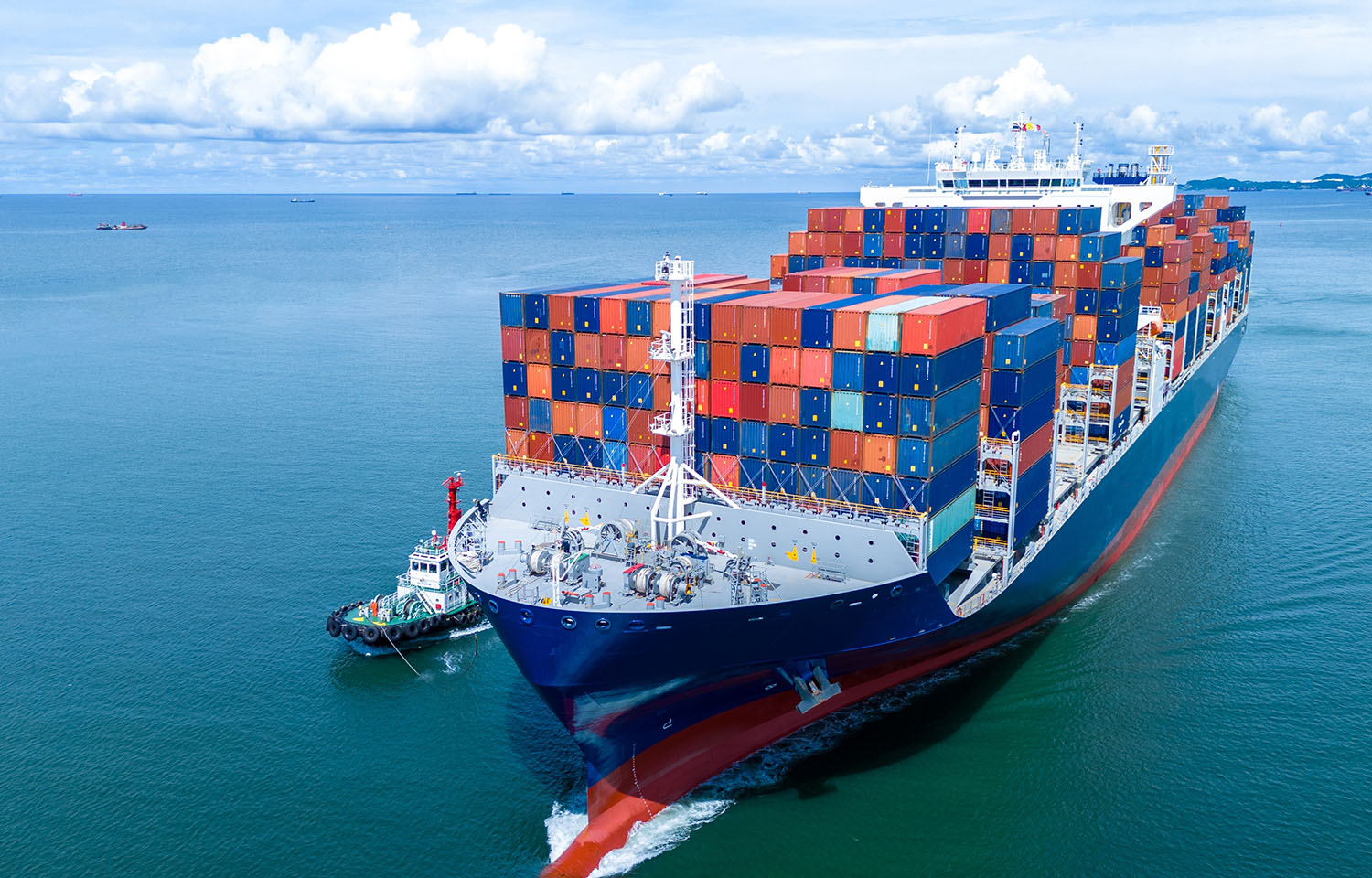
Most ocean carriers have cut capacity on most global shipping routes, causing prices for 40-foot equivalent units (FEUs) to increase, shipping service Xeneta reported.
One exception to this pattern was on routes between the Far East and the U.S. West Coast, where carriers increased capacity and rates still increased.
In a weekly newsletter, Xeneta Chief Analyst Peter Sand said that the increased capacity was likely explained by “the truce between [the] U.S. and China” and the fact that “trade into [the] U.S. West Coast [is] historically more sensitive to geopolitics between the two nations."
"It also explains why carriers have increased offered capacity slightly on this trade in the past week,” he said.
In general, however, Sand said that container companies were carefully matching their capacity offerings to the “subdued demand” in the market of late.
The National Retail Federation (NRF), which produces the Global Port Tracker with Hackett Associates, agreed that a shipping and import slowdown has been occurring and is likely to continue.
Logistics stakeholders moved merchandise before what is traditionally the peak U.S. import season – between the start of the school year and Christmas, which has resulted in the current slowdown.
“Store shelves are well-stocked, and the effect on prices has been minimized, largely thanks to retailers taking steps like frontloading imports during times of low or delayed tariff increases or absorbing the costs themselves,” NRF Vice President for Supply Chain and Customs Policy Jonathan Gold explained. "We’ve spent most of the year worried about the impact of tariffs on both inflation and the supply chain but the holiday season is here and mitigation efforts appear to have paid off."
Gold added that this holiday season, "consumers should be able to find the products they want at prices they like.”
Hackett Associates Founder Ben Hackett advised the logistics industry to temper expectations, however.
“These conditions make market forecasting highly uncertain,” Hackett said. “Our trade outlook is for a small decline in imports this year compared with 2024 and a further, larger decline in the first quarter of 2026."
The Global Port Tracker, which tracks U.S. imports in historical context, found that U.S. ports moved 2.1 million 20-foot equivalent units (TEUs) in September, the last month for which data had been reported. This represented a 9.3 percent decline from August 2025 and a 7.4 percent decline year over year.
The Global Port Tracker’s projections for October were also marked by increasingly low import numbers. October is projected to bring in 1.99 million TEU, an 11.5 percent year-over-year drop, while November and December are likely to bring 1.85 million TEU, which would mark a 14.4 percent year-over-year decline, and 1.75 million TEU, which would mark a 17.9 percent year-over-year decline.
The Port Tracker said that if those projections are correct, it would make December 2025 the slowest month for imports since March 2023.
