





Philippine and Chinese vessels have collided in the South China Sea amid heightened tensions over the disputed Scarborough Shoal, which China now plans to declare a nature preserve.
China has long maintained that the entire South China Sea is its territory, but other nations have disputed those claims, pointing to their own historic claims to territory and fishing grounds in the region. One of the most contentious areas is the Scarborough Shoal, where Filipino fishers have continued to work despite aggressive attempts to discourage fishing in the area by the Chinese military.
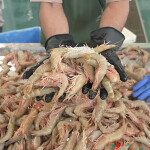
The Philippines government has launched a program to support its fishers, bringing them fuel and ice while purchasing their catch at-sea so they can continue fishing instead of having to bring their catch back to shore. The Chinese military has relentlessly harassed Philippine government vessels with risky maneuvers and water hoses while attempting to block fishers from reaching the shoal. The interactions have led to near misses and collisions; in August, two Chinese vessels collided while attempting to intimidate a Philippine vessel.
On 11 September, China announced it was designating a 3,524-hectare area that includes Scarborough Shoal, which China refers to as Huangyan Dao, as a nature reserve. The government claims it made the decision in order to protect coral reefs.
The Philippines Department of Foreign Affairs has filed a protest against the action, claiming that China cannot prevent Filipino fishers from accessing historic fishing grounds around the shoal, which it refers to as Bajo de Masinloc.
“Bajo de Masinloc is a longstanding and integral part of the sovereign territory of the Philippines. The recent Chinese declaration is another deceptive veneer that attempts to legalize its illegitimate and unfounded claim over the shoal,” the Philippines National Maritime Council said in a release. “The declaration is also meant to support China’s continuing illegal action of depriving Filipino fisherfolk of their traditional fishing rights at the shoal.”
The United States has backed the Philippine government’s position, with Secretary of State Marco Rubio releasing a 12 September statement rejecting China’s claim.
“The United States stands with our Philippine ally in rejecting China’s destabilizing plans to establish a 'national nature reserve' at Scarborough Reef. Beijing claiming Scarborough Reef as a nature preserve is yet another coercive attempt to advance sweeping territorial and maritime claims in the South China Sea at the expense of its neighbors, including by preventing Filipino fishermen from accessing these traditional fishing grounds. China’s actions at Scarborough Reef continue to undermine regional stability,” Rubio said, calling on China to abide by a 2016 Arbitral Tribunal decision that ruled against China’s efforts to block Filipino fishers from operating on the shoal.
The Chinese government called the tribunal decision a “political farce” and asked the U.S. to “keep its hands off the South China Sea.”
“China made its position clear on that issue last week and made a serious protest to the U.S. today over the wrongful remarks. Huangyan Dao has always been China’s territory. It is China’s sovereign right to create a national nature reserve for the island, which is legitimate, lawful, and beyond reproach,” Foreign Ministry Spokesperson Lin Jian said in a 15 September press conference
In a recent incident, the Chinese Coast Guard accused a Philippine government vessel of ramming one of its ships.
“Huangyan Dao is China’s territory. Philippine official vessels’ intrusion into the waters of the island seriously violated China’s sovereignty, rights, and interests and jeopardized peace and stability at sea. China took lawful measures to defend its territorial sovereignty and maritime rights and interests, which was completely necessary and justified,” Lin said in a 16 September press conference. “What happened proved once again that the Philippines’ deliberate infringement and provocations at sea are the root cause of the tensions. The Philippines needs to stop these activities at once and must not challenge China’s firm resolve to safeguard our lawful rights and interests."
