





Trade volatility has reshaped the strategies employed by global seafood players this year, with tariff and inflationary pressures affecting both supply chains and consumer choices, according to new Rabobank research.
Rabobank’s new analysis from its RaboResearch unit highlights that on a global scale, affordability has become an even more “crucial” influencing factor on seafood demand.
In the U.S. in particular, high import tariffs are likely to exacerbate inflation-driven affordability concerns and prompt consumers to opt for cheaper protein alternatives. Elsewhere, the report highlights that while “modest improvement” can be expected in China’s seafood demand compared to last year, persistent consumer price sensitivity may similarly limit growth and lead to downtrading.
With that in mind, some exporters may redirect trade to Europe, where overall consumer demand is stronger, according to the report.
RaboResearch Seafood Analyst Novel Sharma told SeafoodSource he believes these shifts in seafood trade signal a “broader, long-term realignment” in global supply chains, rather than just short-term disruptions.
“I believe we’re witnessing a potential reshuffling of global seafood trade dynamics, where political relationships and tariff structures could increasingly shape trade decisions. Even if the current tariff measures are softened after the review period, the uncertainty alone might already be prompting exporters to rethink their long-term strategies,” he said.
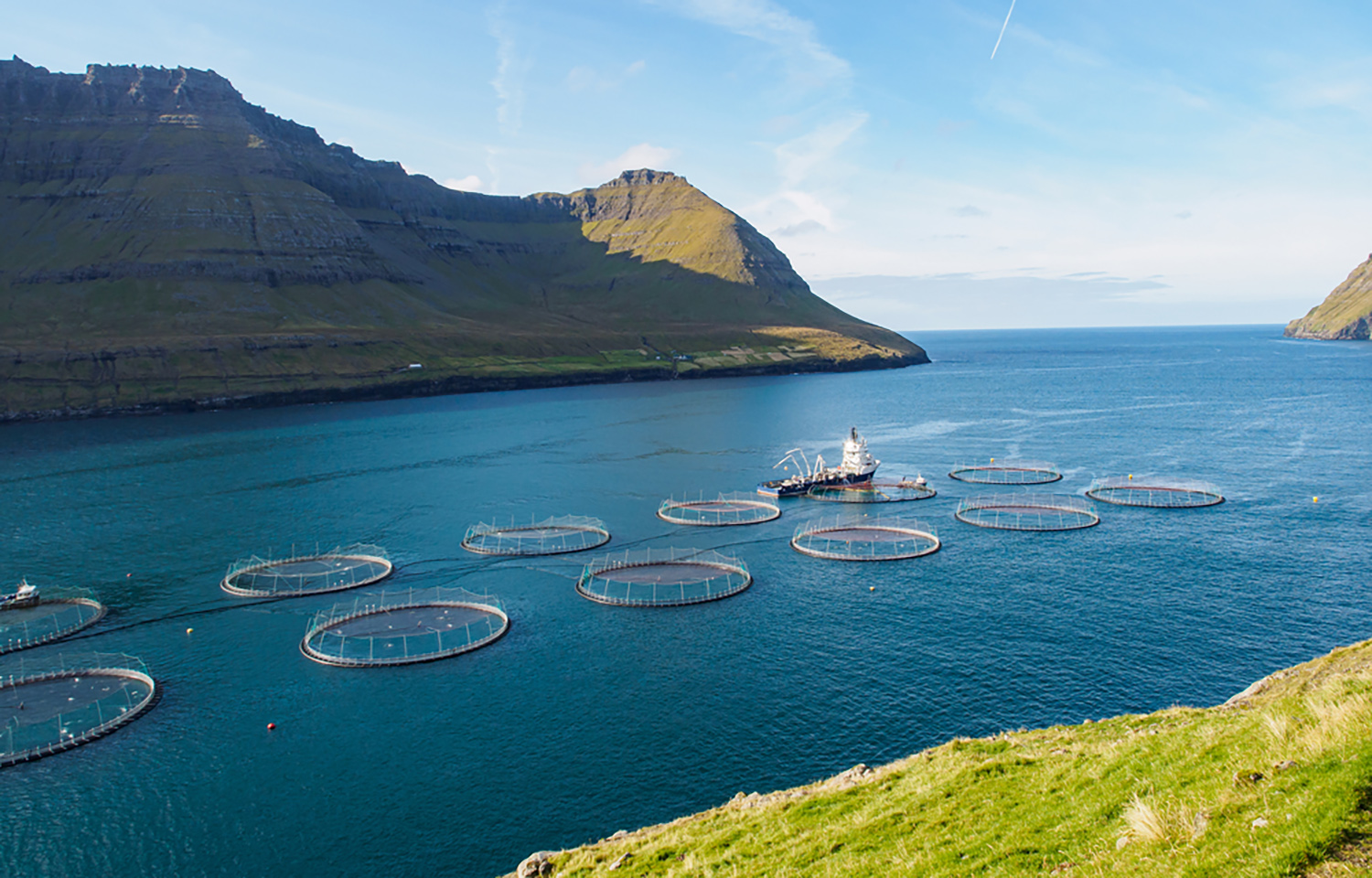
The report said that as 2025 progresses, the global farmed salmon sector will likely slow its harvest rates to around 5 percent growth year over year, with Norway’s output also slowing due to elevated sea temperatures and potential biological risks in addition to the trade disruptions.
This follows large harvest volume increases seen in the first half of this year.
Shrimp producers may also see demand ease after a good start to the year that brought some recovery in terms of prices, the report emphasized.
Sharma explained that Ecuador’s shrimp export surge to start the year may slow if tariffs lead to demand contraction, and other players like India are approaching their summer production cycles cautiously amid high temperatures, rising costs, and tariff concerns.
Major shrimp-producing nations like Vietnam and Indonesia are facing steep U.S. tariffs with limited options to redirect their shrimp exports, putting them in a particularly tenuous position, the report found.
Sharma explained that Ecuador may benefit from lower tariffs compared to competitors as a result.
“Ecuadorian producers may look to diversify their end market and product mix by investing in processing capacity to gain ground in the U.S. market, moving away from its traditional reliance on raw shrimp exports to China,” he said. “India might be looking to pivot toward the E.U. market, though its success could hinge on how effectively it addresses regulatory concerns, particularly around antibiotic use. Vietnam, on the other hand, may face more challenges due to higher tariffs and what seems like limited flexibility in redirecting its exports.”
He also pointed out that with shrimp prices recovering from previous lows, producers are adopting more cautious stocking strategies to avoid oversupply and price crashes, hoping to avoid problems that plagued the sector in 2024.
“These farmers often respond quickly to price changes due to shrimp’s short production cycle. If prices rise, stocking could ramp up again, but if prices continue to fall, I think we might see industry consolidation, as smaller players could find it increasingly difficult to stay profitable,” he said.
With the trade disruptions showing no signs of abating, Sharma said that managing environmental risks is even more essential to aquaculture operations seeking investments.
He said that the salmon-farming industry specifically could see higher and more volatile production costs, even though better vaccination coverage might help ease some biological challenges.
Consequently, producers may need to rethink harvest strategies to manage slower growth and mortality risks during periods of high biological challenges, he said.
“A growing concern, in my opinion, is the potential impact on fish quality, which could reduce the share of superior salmon and limit price achievement,” Sharma said. “Some companies are already focusing on larger smolt to shorten time at sea and reduce exposure to biological risks – something I think we’ll see more investment in going forward.”
Rabobank’s report also projects the global supply of fishmeal and fish oil to maintain strong momentum in 2025, driven by Peru’s first-season anchovy quota of 3 million metric tons (MT), which was the highest in seven years.
A potential transition to La Niña weather patterns later in the year could further enhance biomass health and support future quotas, the report said, while continued aquaculture production growth is expected to boost demand for protein-rich feed ingredients, helping sustain fishmeal prices above long-term averages.
